Art Deco: Bold, Polished, and Still Not Overdoing It
As an Amazon Associate, I earn from qualifying purchases. This means I may earn a small commission when you click my linked images, at no extra cost to you. Clicking these links helps support my site and allows me to continue providing content. Thank you!
An Intro to Art Deco
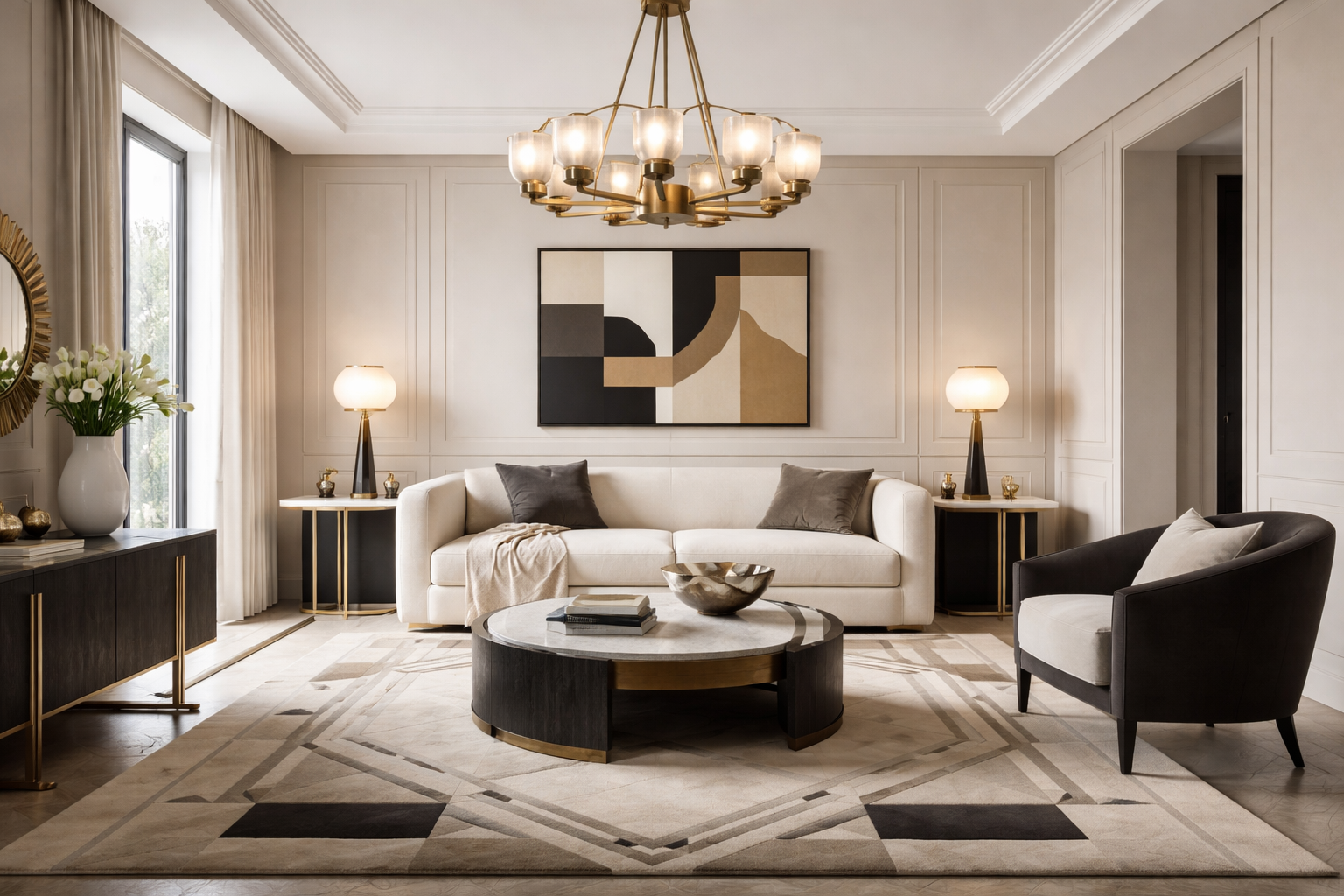
Art Deco is proof that restraint and drama can, in fact, be best friends (someone tell this to my therapist). It’s bold without being chaotic, glamorous without being fussy, and structured without ever feeling boring. In other words, it knows it’s the main character, but it’s not a showoff about it.
Born in the early 20th century during a time when the world was obsessed with progress, speed, and modern living, Art Deco was design’s way of saying, “we’re moving forward. and we’re going to look good doing it”. Think sharp geometry, luxurious materials, confident symmetry, and just enough shine to catch the light at the right moment.
And while Art Deco is often associated with grand buildings, jazz age glamour, and dramatic interiors, it’s surprisingly adaptable to real homes today. You don’t need a penthouse or a mirrored bar cart to make it work. When done thoughtfully, Art Deco adds depth, polish, and intention, especially in a design landscape that’s starting to feel a little too beige.
I love Art Deco because of its philosophy that everyday life is something worth decorating beautifully. Function doesn’t have to be plain, and beauty doesn’t have to be impractical; the two can, and should, coexist. Art Deco also values quality over quantity when it comes to style. Everything looks considered, like it was chosen for a reason. Think of it as dressing well in a tailored outfit rather than something overly frilly or casual. While my visual aesthetic preference might lean towards the “more is more” philosophy, the way I approach decorating my space, and other peoples spaces to function in real life, always includes these thoughtful and practical sentiments.
In this post, we’re breaking down what Art Deco really is, why it still resonates, and how to bring its bold elegance into your home without crossing into “Great Gatsby Cosplay Party.” Because good design isn’t about recreating the past, it’s about borrowing the best parts and making them livable now.
Art Deco: A History
Art Deco emerged in the early 20th century at a moment when the world was ready for a reset. After the devastation of World War I, there was a collective desire to look forward rather than back, and design reflected that shift. Instead of romantic ornament or historical revival styles, Art Deco embraced progress, modern life, and the idea that the future could be beautiful. It was optimistic by nature, confident in tone, and intentionally modern.
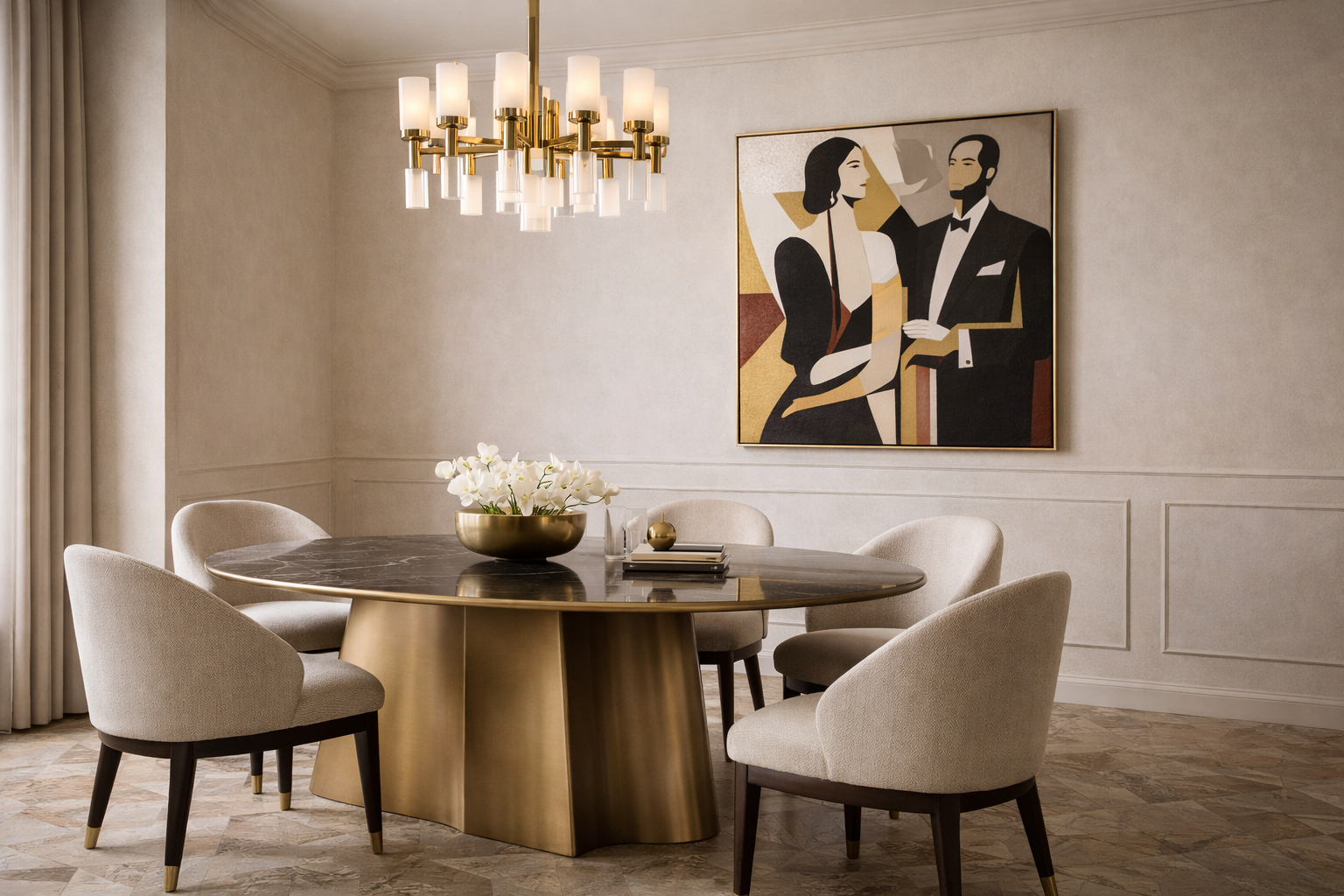
The movement takes its name from the 1925 Exposition Internationale des Arts Décoratifs et Industriels Modernes in Paris, a landmark event that showcased a new design language rooted in craftsmanship but shaped by industry. This was where geometry, luxury materials, and streamlined forms came together in a way that felt fresh and exciting. Designers were no longer hiding the influence of machines; they were celebrating it. Clean lines, symmetry, and repetition became symbols of order and progress in a rapidly changing world.
As the 1920s roared on, Art Deco became synonymous with glamour. It appeared everywhere, in newly built skyscrapers reaching toward the sky, in elegant interiors, in fashion, jewelry, graphic design, and even everyday objects. The rise of cinema, ocean liners, and modern travel all fed into its sense of drama and sophistication. Art Deco wasn’t just for the elite; it shaped how people experienced modern life, from theaters and hotels to radios and furniture in the home.
When the Great Depression hit in the 1930s, Art Deco evolved rather than disappeared. The style became more streamlined and restrained, favoring simpler forms and less ornamentation while still holding onto its core principles of structure and elegance. This shift made Art Deco more accessible and practical, proving that good design didn’t have to disappear in difficult times. In many ways, that adaptability is why the movement has endured.
Art Nouveau vs. Art Deco
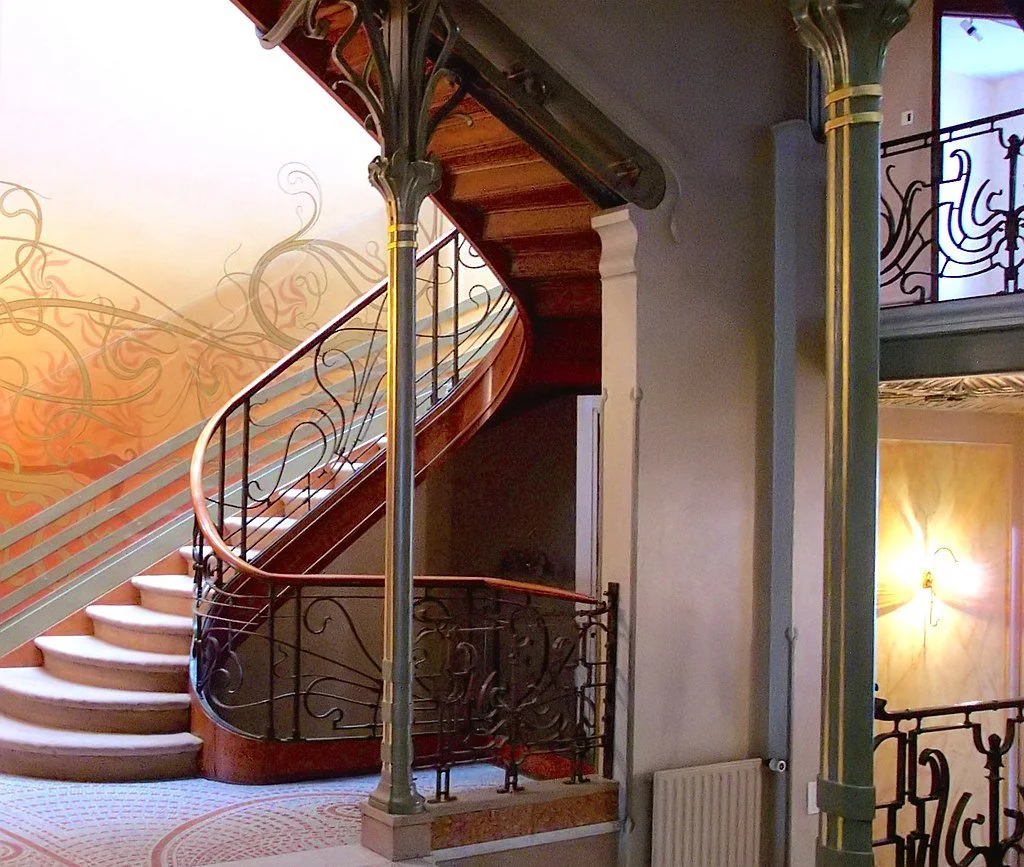
Of course, Art Deco didn’t appear in a vacuum. To really understand why it looks and feels the way it does, it helps to look briefly at what came before it. Just a few decades earlier, Art Nouveau dominated the design world with its flowing lines, organic forms, and romantic approach to ornamentation. As tastes shifted and the modern age took hold, Art Deco emerged almost in direct response, refining, simplifying, and reshaping those earlier ideals into something bolder, more structured, and unmistakably forward looking.
Art Deco and Art Nouveau get mixed up all the time, and honestly, I get why. The names sound similar, they both care deeply about beauty, and they both sit firmly in the “design history” category. But once you actually look at them side by side, the difference is pretty unmistakable. These two styles may share a name structure, but visually, and philosophically, they’re speaking completely different languages.
Art Nouveau came first, emerging in the late 1800s as a reaction to the rise of industrialization. At a time when machines were taking over, Art Nouveau looked in the opposite direction, pulling inspiration from nature, craftsmanship, and organic forms. Think flowing lines, curved silhouettes, floral and vine motifs, and details that feel almost hand drawn. Everything about Art Nouveau feels expressive and romantic, like it’s in motion. It’s beautiful, but it can also feel busy, layered, and a little indulgent if you’re not careful.
That contrast is really the key to understanding the difference. Art Nouveau curves feel like they’re growing naturally across a surface, almost like vines or waves. Art Deco shapes feel architectural and grounded, as if every line was measured and placed with purpose. One is soft and expressive. The other is graphic and composed.
You might be wondering, after all that time has passed, why does this matter now? Because understanding the distinction makes modern design choices so much clearer. If you’re drawn to soft curves, botanical motifs, and romantic detailing, you’re probably responding to Art Nouveau influence. If you love sculptural lighting, fluted furniture, metallic accents, and strong silhouettes, Art Deco is likely what’s catching your eye. Both styles can exist in contemporary spaces, but knowing which one you’re channeling helps a home feel intentional instead of confused.
In many ways, Art Nouveau and Art Deco set the groundwork for how we think about maximalism and minimalism today. Art Nouveau, with its flowing lines, layered ornament, and love of nature, translates easily into modern maximalism: it’s expressive, romantic, and comfortable with visual richness. Art Deco, on the other hand, feels much closer to today’s minimalism, but a dressed-up version of it. It values restraint, structure, and clarity, using fewer pieces but making sure each one has presence and purpose. One embraces abundance through detail, the other through intention.
And if there’s one thing both movements remind us of, it’s that good design is always a response to its moment, and the best styles never really disappear. They just evolve.
Art Deco Across Architecture, Fashion, and Graphic Design
One of the reasons Art Deco still feels so relevant is because it wasn’t limited to a single discipline. This wasn’t a movement that lived quietly in galleries or design studios; it shaped entire cities, influenced how people dressed, and even transformed the way information was communicated. Art Deco was meant to be lived with, seen daily, and experienced at every scale.
Architecture

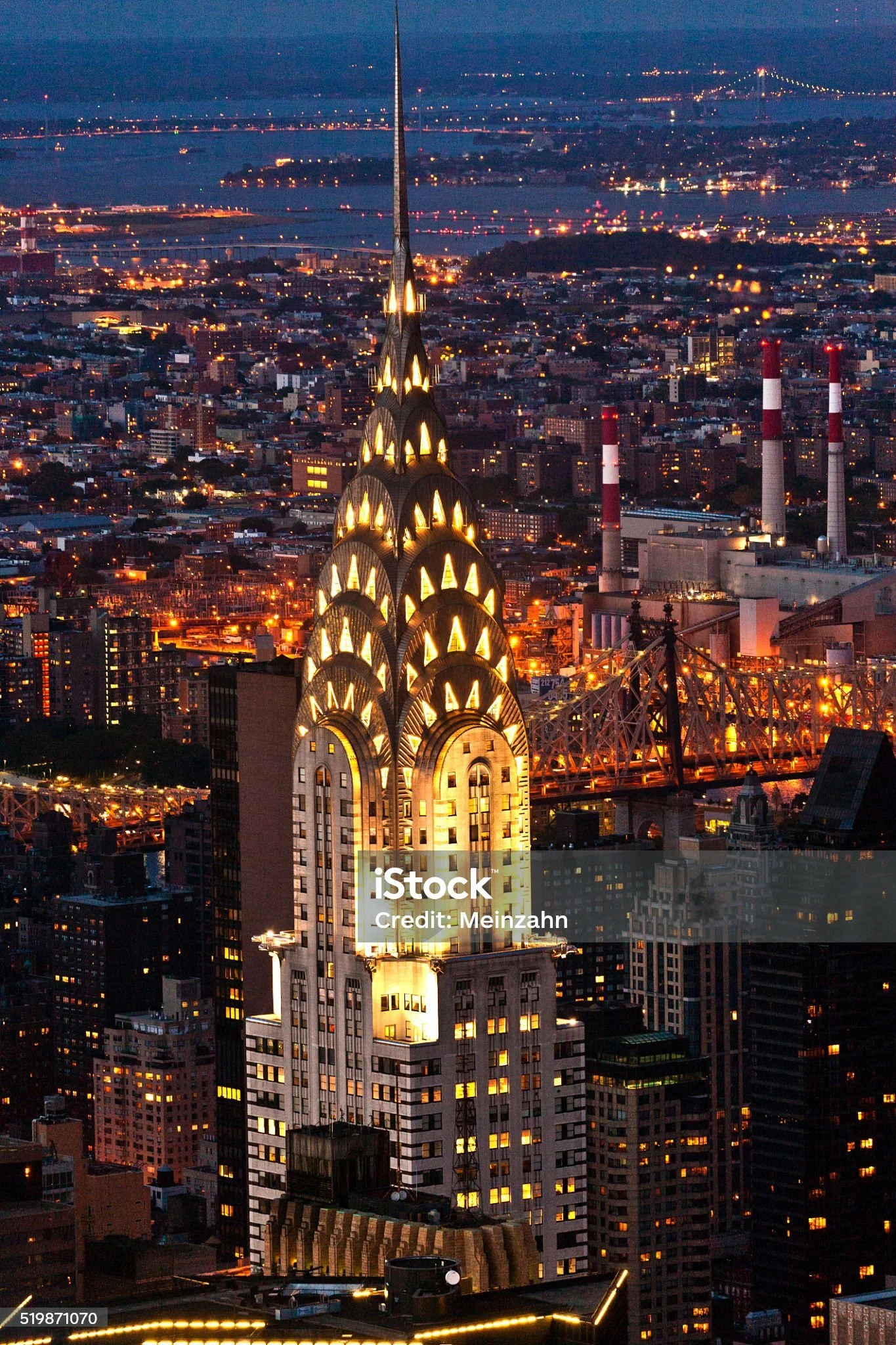
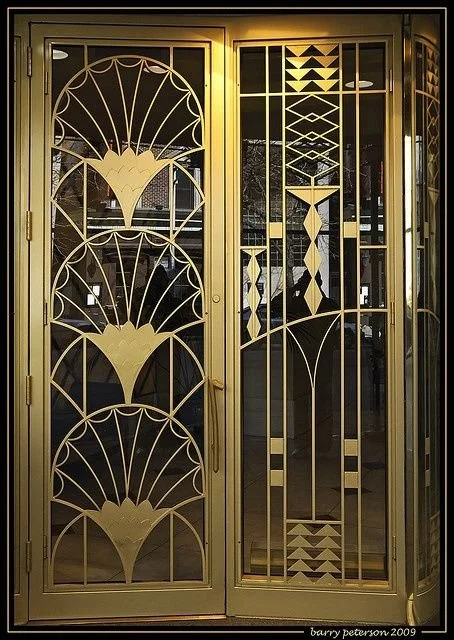
Art Deco architecture was designed to make a statement. Buildings emphasized height and symmetry, using strong vertical lines and stepped forms to create a sense of momentum and progress. Decorative details like sunbursts, fluting, and geometric reliefs replaced historical ornament, signaling a clean break from the past. Inside, materials such as marble, brass, glass, and polished stone reinforced the sense of luxury while maintaining a structured, modern feel. Even at its most glamorous, Art Deco architecture felt intentional rather than ornate.
Fashion
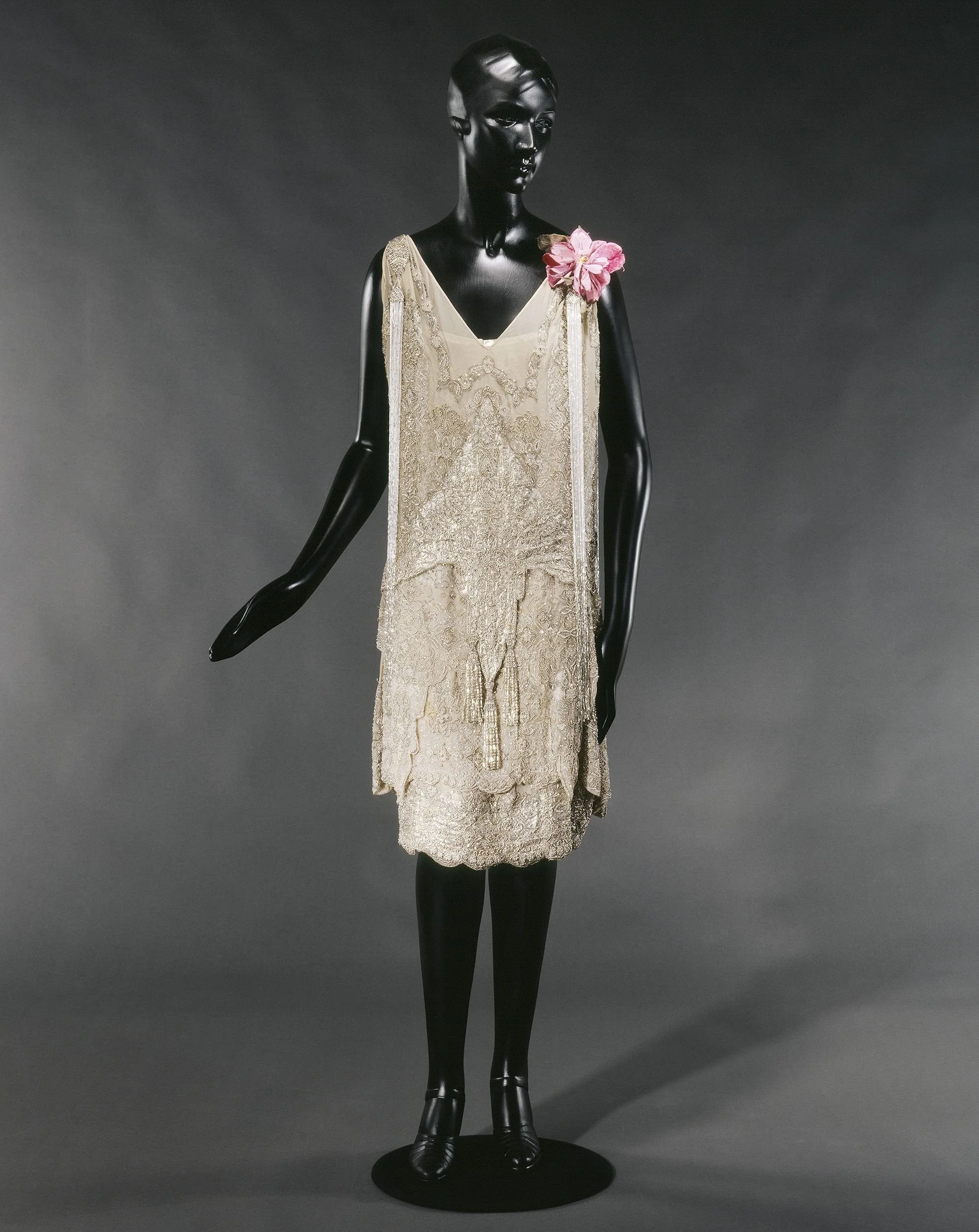
As society changed, fashion followed, and Art Deco played a major role in that shift. Clothing became lighter, more fluid, and less restrictive, reflecting a modern lifestyle that valued movement and independence. Dresses featured geometric beading, metallic accents, and symmetrical patterns that mirrored the design language of the era. Jewelry and accessories leaned into bold shapes and high contrast materials, creating pieces that felt glamorous but not overly delicate. Art Deco fashion wasn’t about excess volume; it was about confidence, polish, and clarity.
Graphic Design
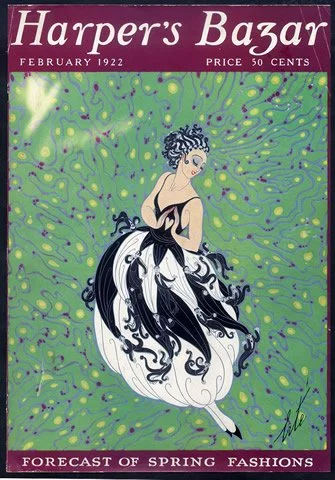
Graphic design may be where Art Deco feels most surprisingly modern. Posters, advertisements, and typography relied on strong composition, simplified imagery, and bold lettering designed to communicate quickly and clearly. Shapes were geometric, colors were high contrast, and illustrations were stylized rather than realistic. These designs were meant to feel aspirational and forward looking, which is why Art Deco graphic design still influences branding and editorial design today.
Influential Artists & Designers of the Art Deco Movement
The Legacy of Tamara de Lempicka

Tamara de Lempicka is often considered the face of Art Deco, and for good reason. Her work perfectly captured the mood of the era: confident, glamorous, modern, and unapologetically bold. She was best known for her striking portraits, often of women who felt strong, self-assured, and in control. At a time when ideas around femininity were shifting, Lempicka’s paintings reflected a new kind of independence and sophistication that felt very much of the moment.
Visually, her work stood out because it was so clear and structured. Figures were sharply lit, almost sculptural, with clean lines and smooth surfaces that echoed the architecture and design of the time. But despite that structure, her paintings never felt cold. There was always a sense of drama and sensuality beneath the surface. Nearly a century later, her work still feels modern, not because it follows trends, but because it was rooted in confidence and intention from the start.
The Legacy of Eileen Gray

Eileen Gray approached Art Deco from a more restrained, thoughtful angle, but her influence is just as important. Rather than focusing on glamour for its own sake, Gray was deeply interested in how people actually lived in and used their spaces. Her furniture and interiors balanced beauty with function, pairing clean lines and refined materials with designs that felt practical and livable.
What makes Gray’s work stand out is how forward-thinking it still feels today. She believed design should serve a purpose, not just make a statement, and she resisted unnecessary decoration. In many ways, her work sits at the crossroads of Art Deco and modernism, showing that elegance can be quiet and still powerful. Her legacy lives on in interiors that value simplicity, proportion, and timeless design over excess.
The Legacy of Jean Dunand
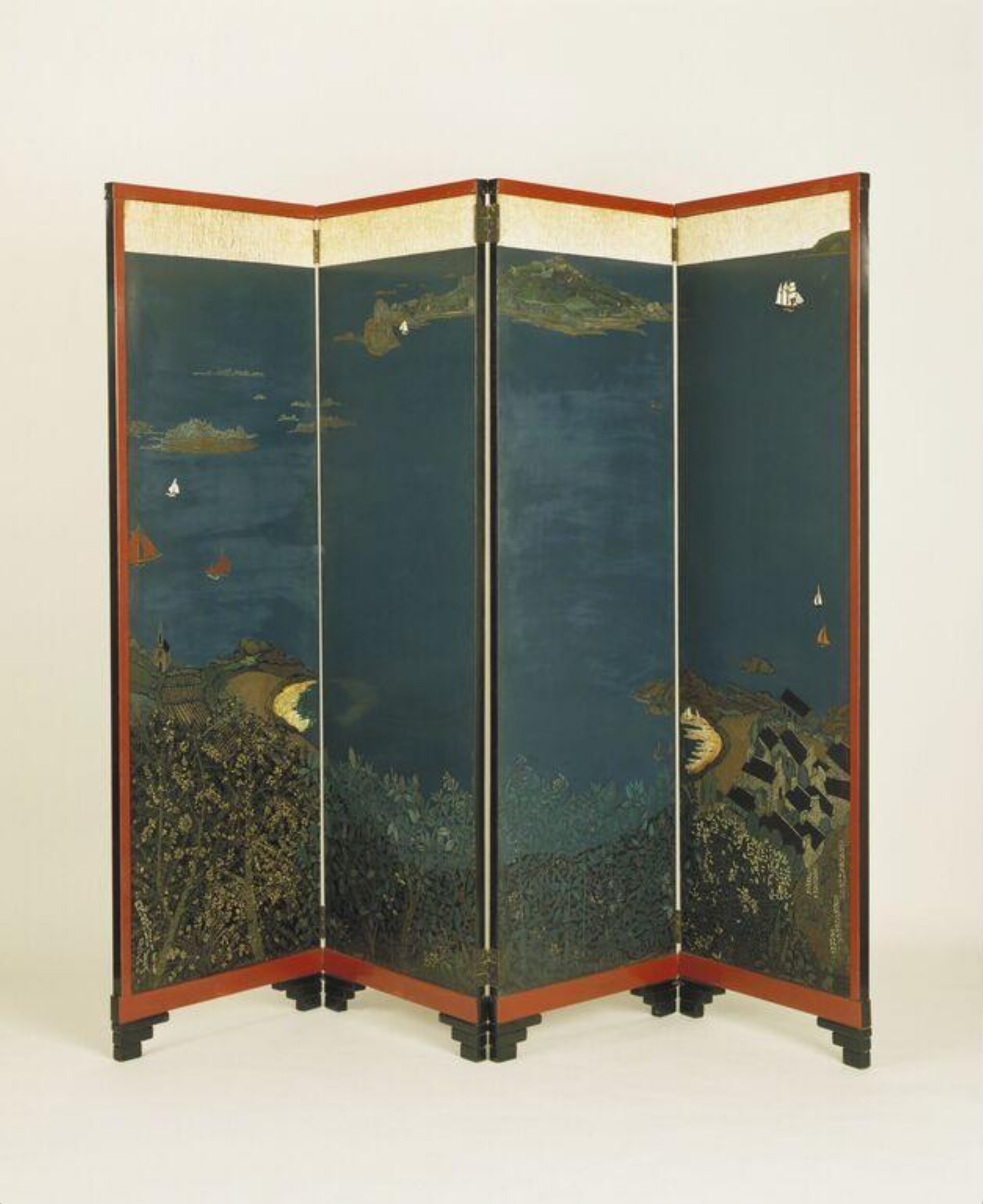
Jean Dunand brought texture and material focus to the Art Deco movement. He was especially known for his work with lacquer and metal, using these materials to create furniture, screens, and interior panels that felt rich and layered. Dunand showed that surface finishes weren’t just decorative, they could be expressive, tactile, and central to the design itself.
At a time when Art Deco was leaning toward sleekness and structure, Dunand added warmth through texture and craftsmanship. His work proved that luxury didn’t have to rely on excess detail. Instead, it could come from depth, finish, and thoughtful material choices. Today, his influence shows up in interiors that use layered materials, subtle shine, and carefully chosen finishes to create visual interest without clutter.
The Legacy of A. M. Cassandre
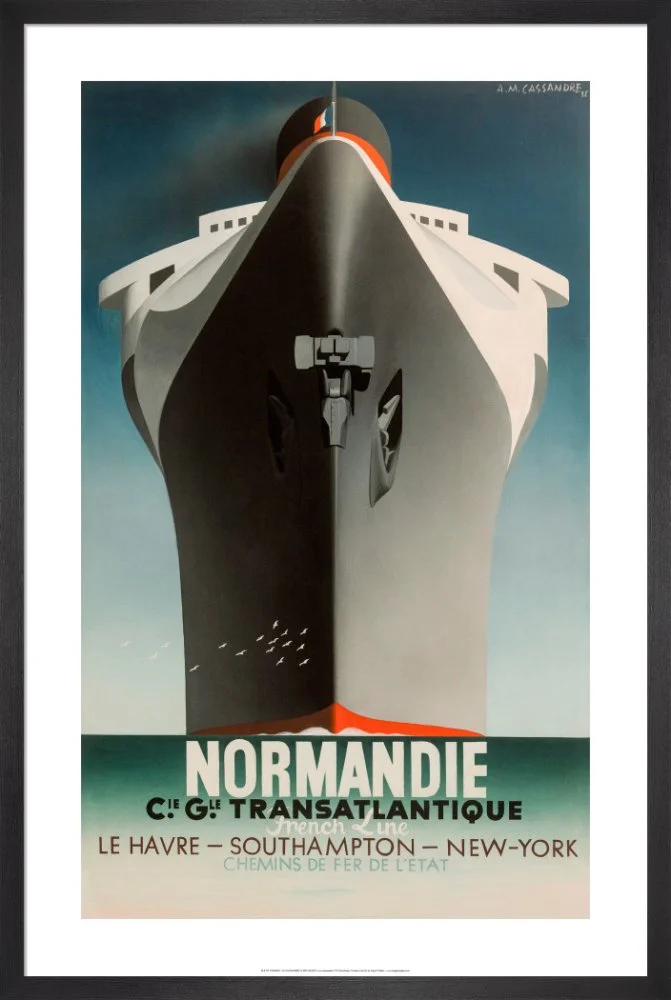
A. M. Cassandre played a major role in shaping what we now think of as modern graphic design. His posters were bold, clear, and immediately recognizable, using strong typography, simplified imagery, and geometric composition to communicate quickly and effectively. He understood that good design should be both beautiful and functional, especially in public facing work like advertising.
Cassandre’s influence extended beyond posters. He designed playing cards and scarves for Hermès and even created the iconic logo for Yves Saint Laurent, showing how Art Deco principles could translate seamlessly into fashion and branding. What makes his work feel so relevant today is its clarity. His designs were confident and easy to read, laying the groundwork for modern editorial layouts and branding systems that still prioritize strong visuals and clear messaging.
A Shared Design Language
Together, Tamara de Lempicka, Eileen Gray, Jean Dunand, and A. M. Cassandre represents the full scope of the Art Deco movement. Each worked in a different medium, painting, furniture, materials, and graphic design, but all shared the same core values. Their work emphasized clarity, structure, and modernity, proving that Art Deco was about far more than surface glamour.
They believed design should be intentional, forward looking, and grounded in purpose. Nearly a century later, their influence is still visible in how we define elegance, function, and confidence in design today. Art Deco endures not because it was flashy, but because it was thoughtful and that’s what continues to make it relevant.
Art Deco and Current Design
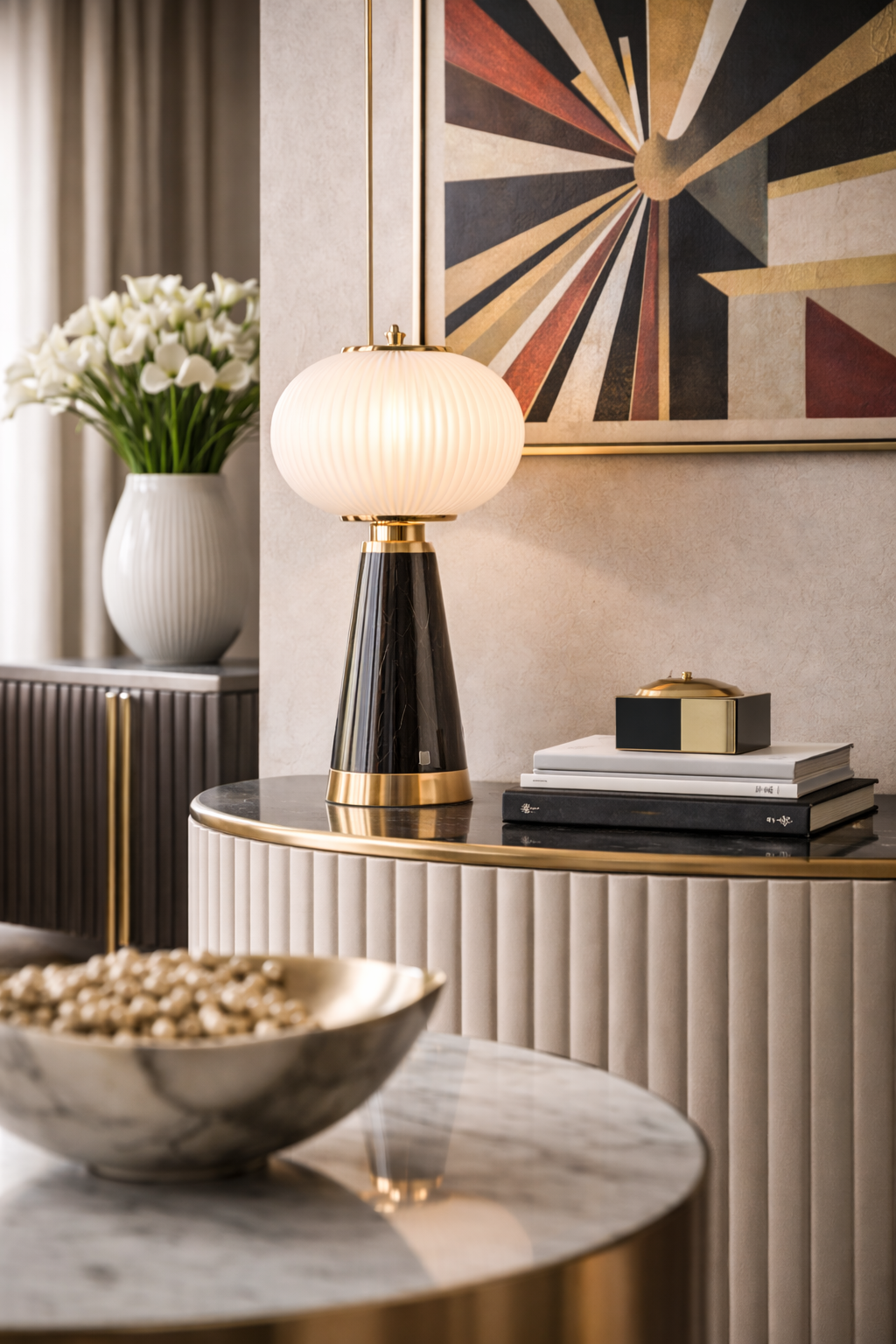
Art Deco continues to resonate today because it offers something many modern spaces are missing: structure with soul. In a time when interiors often swing between stark minimalism and visual overload, Art Deco sits comfortably in the middle. It reminds us that design can be intentional without feeling cold, and decorative without becoming cluttered. There’s a confidence to the movement that feels especially relevant now, as more people seek homes that feel considered rather than purely trend driven.
You can see Art Deco’s influence all over contemporary design, even when it isn’t labeled as such. Fluted furniture, sculptural lighting, high contrast materials, and symmetrical layouts all trace their roots back to the movement. Today’s interpretations are often softer and more restrained, but the DNA is unmistakable. It shows up in the curve of a chair, the geometry of a rug, or the quiet drama of a brass accented light fixture, details that feel elevated without demanding attention.
What makes Art Deco particularly timeless is its respect for craftsmanship and materials. The movement valued quality, longevity, and thoughtful construction, ideas that align closely with how we talk about design today. As more homeowners move away from disposable decor and toward pieces that feel lasting, Art Deco’s emphasis on intention over excess feels surprisingly modern. It’s a reminder that good design doesn’t need to shout to be memorable.
Art Deco also offers permission to embrace a sense of glamour, but in a controlled, livable way. In contemporary spaces, that might mean a single statement mirror, a richly textured finish, or a moment of contrast that breaks up an otherwise neutral room. It’s not about recreating a 1920s interior, but about borrowing the confidence of the era and translating it into modern life.
Ultimately, Art Deco endures because it understands something that still holds true: beauty and function don’t have to be at odds. When design is grounded in clarity, proportion, and purpose, it lasts. And in a world of constantly shifting trends, that kind of timeless relevance feels more appealing than ever.
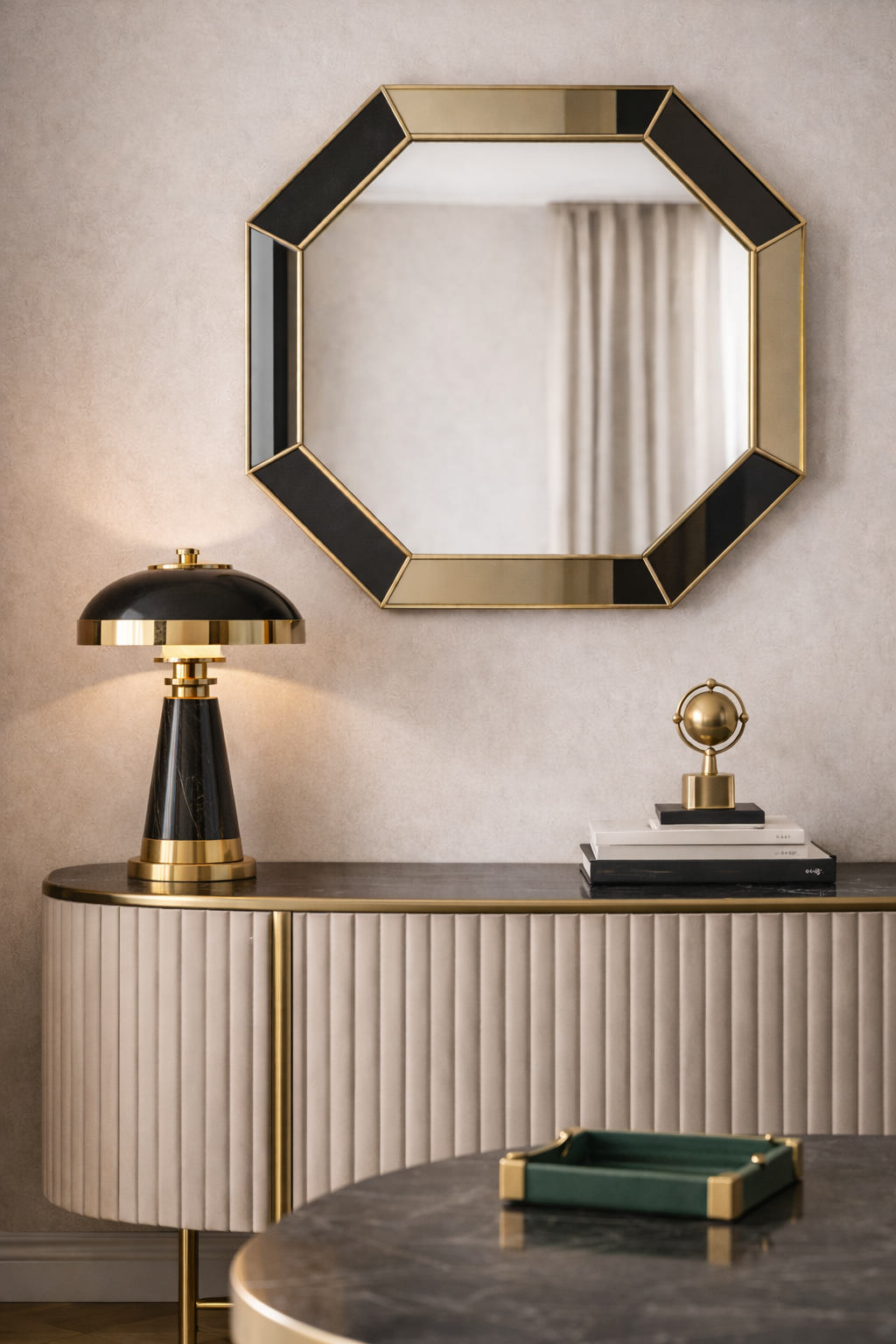
Art Deco isn’t about recreating a moment in time or turning your home into a movie set. It’s about confidence. About choosing pieces that feel intentional, a little bold, and unapologetically well made. At its best, Art Deco brings structure and glamour in equal measure, proof that a space can be polished and livable at the same time.
The beauty of this style is that you don’t need to commit fully to make it work. One sculptural light fixture, a mirror with strong geometry, a touch of brass or lacquer, those small, thoughtful choices are often enough to shift the entire feel of a room. Art Deco works best when it’s layered in, not piled on.
If you’re curious to try it in your own space, I’ve pulled together a selection of Art Deco inspired pieces that embody the spirit of the style without feeling costumey or overdone. Think strong shapes, rich materials, and just enough drama to make your space feel considered and complete. Start with one piece you truly love, and let it set the tone from there.
As an Amazon Associate, I earn from qualifying purchases. This means I may earn a small commission when you click my linked images, at no extra cost to you. Clicking these links helps support my site and allows me to continue providing content. Thank you!
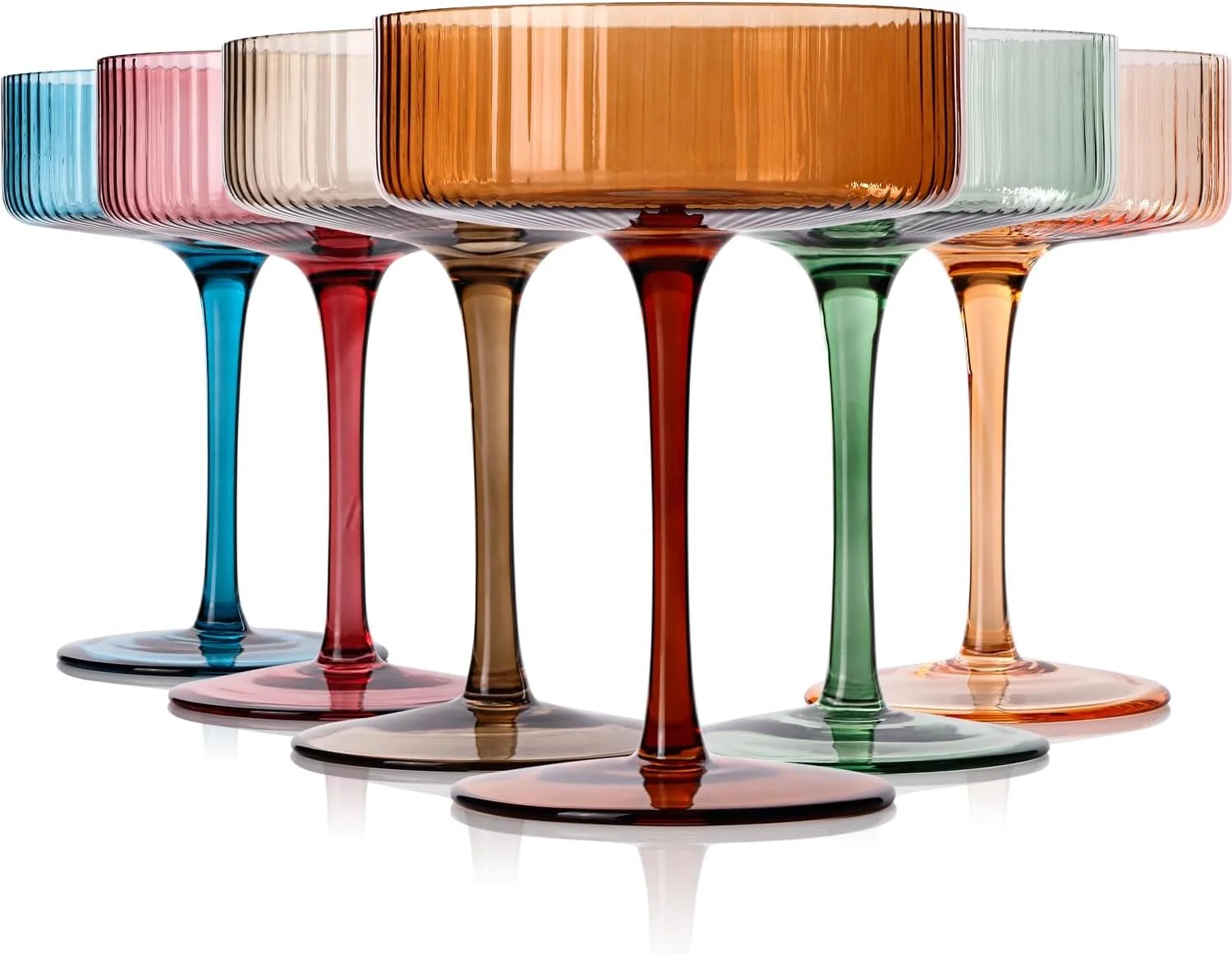
The multicolors brings a fun, current vibe to this classic deco design
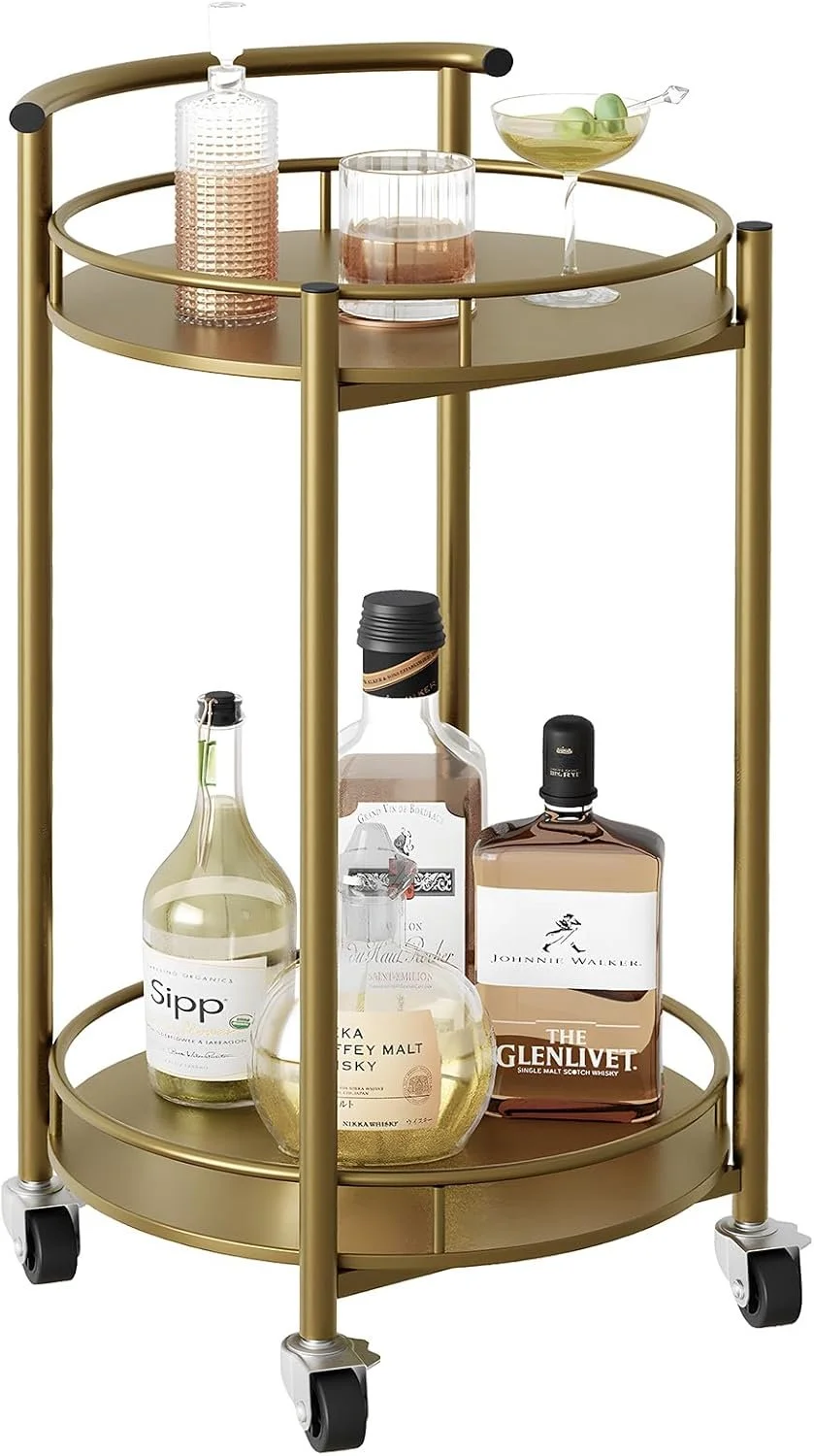
The sculptural curves and metallic finish gives a sense of glamour that feels intentional
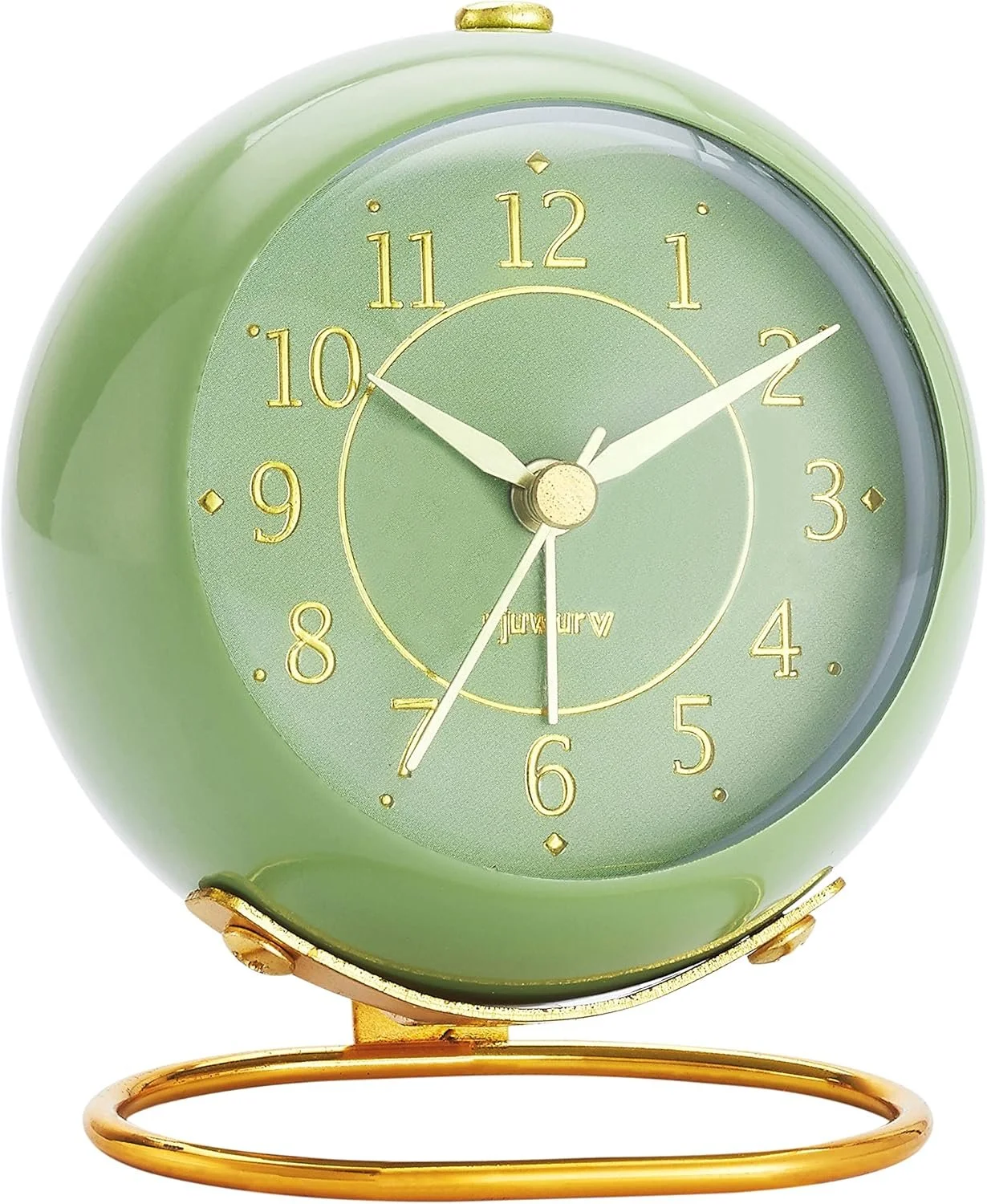
This clock is a great way to dip your toe into the Art Deco design, with its green color, roundness, and gold accents
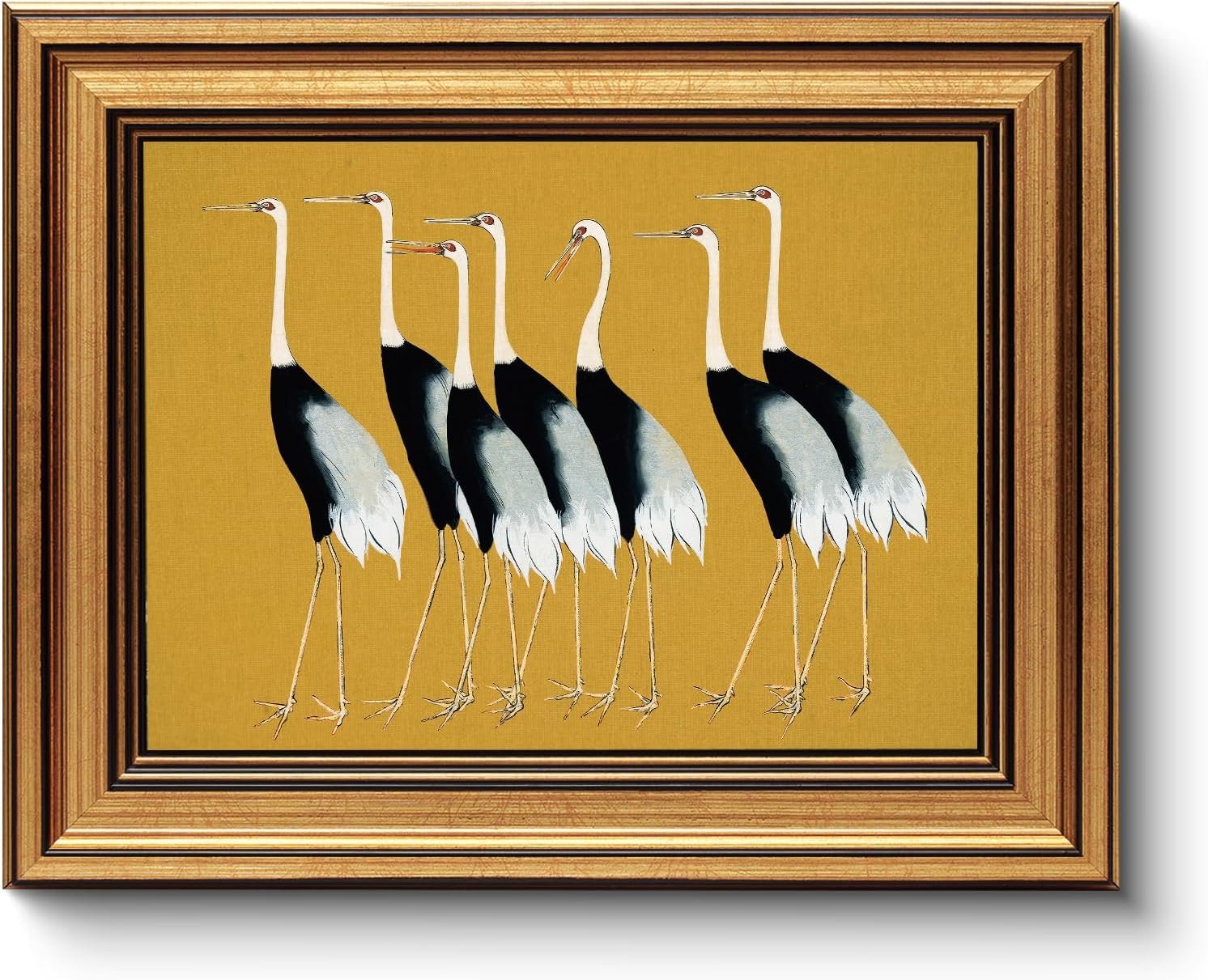
The opulence, the feathers, the colors, all make a bold Art Deco statement
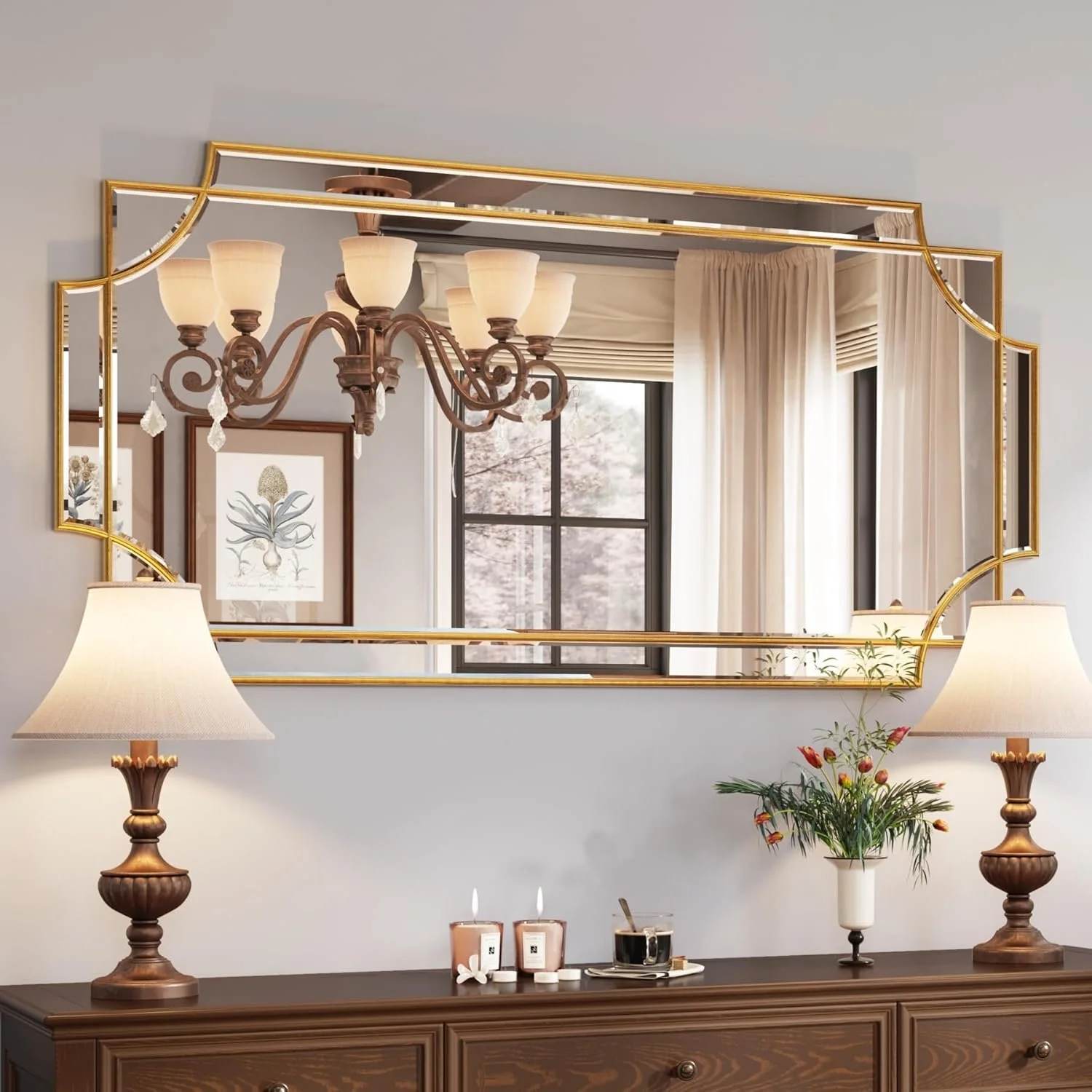
What says “Art Deco” better than a gold, geometric mirror!
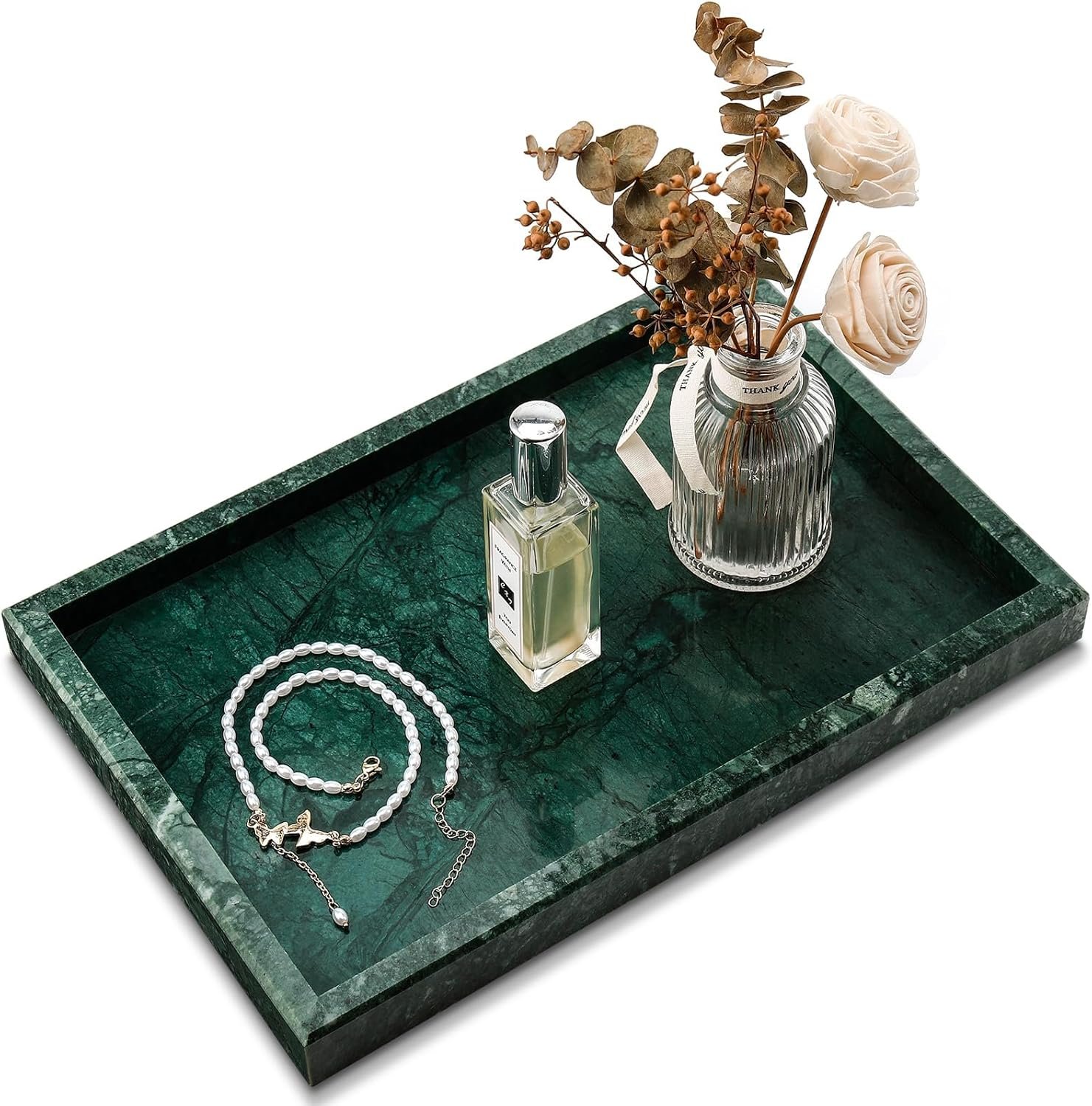
The jewel-tone marble is the perfect callback of Art Deco color and materials
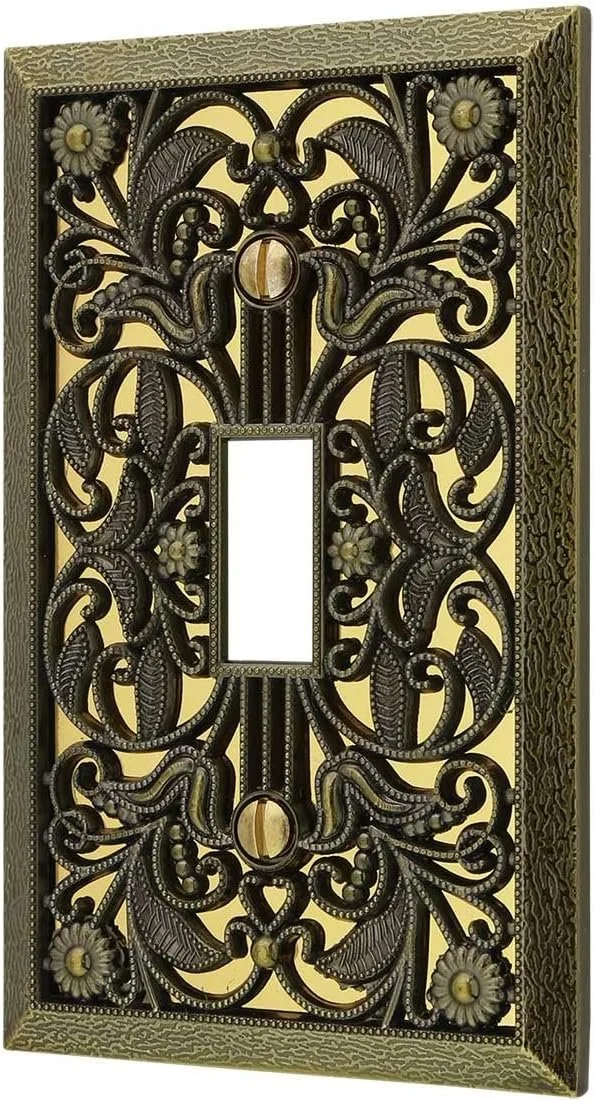
Light plates are a quick and inexpensive way to elevate your space
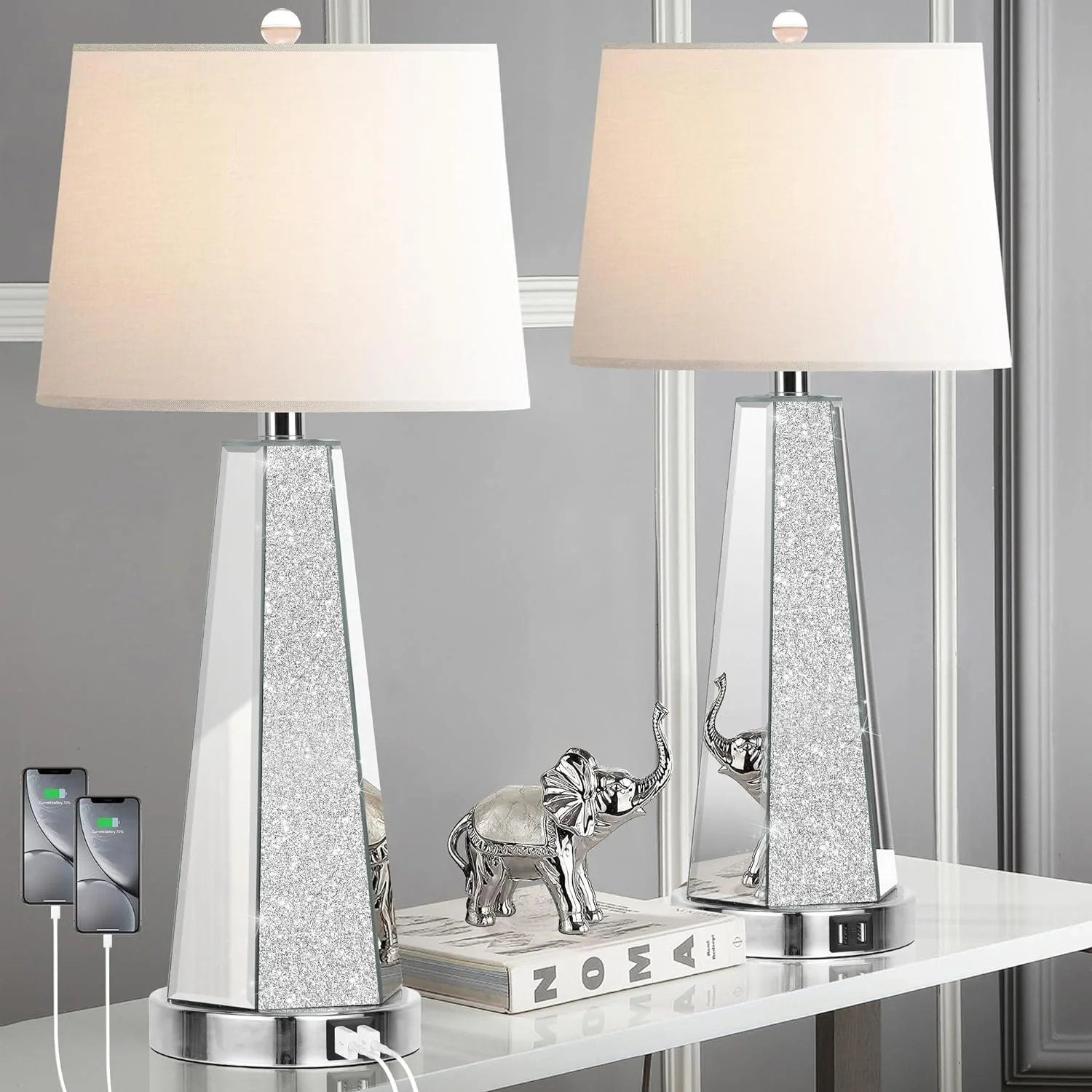
The metallic, geometric design, and general sparkle brings a glamorous touch of Art Deco to a room
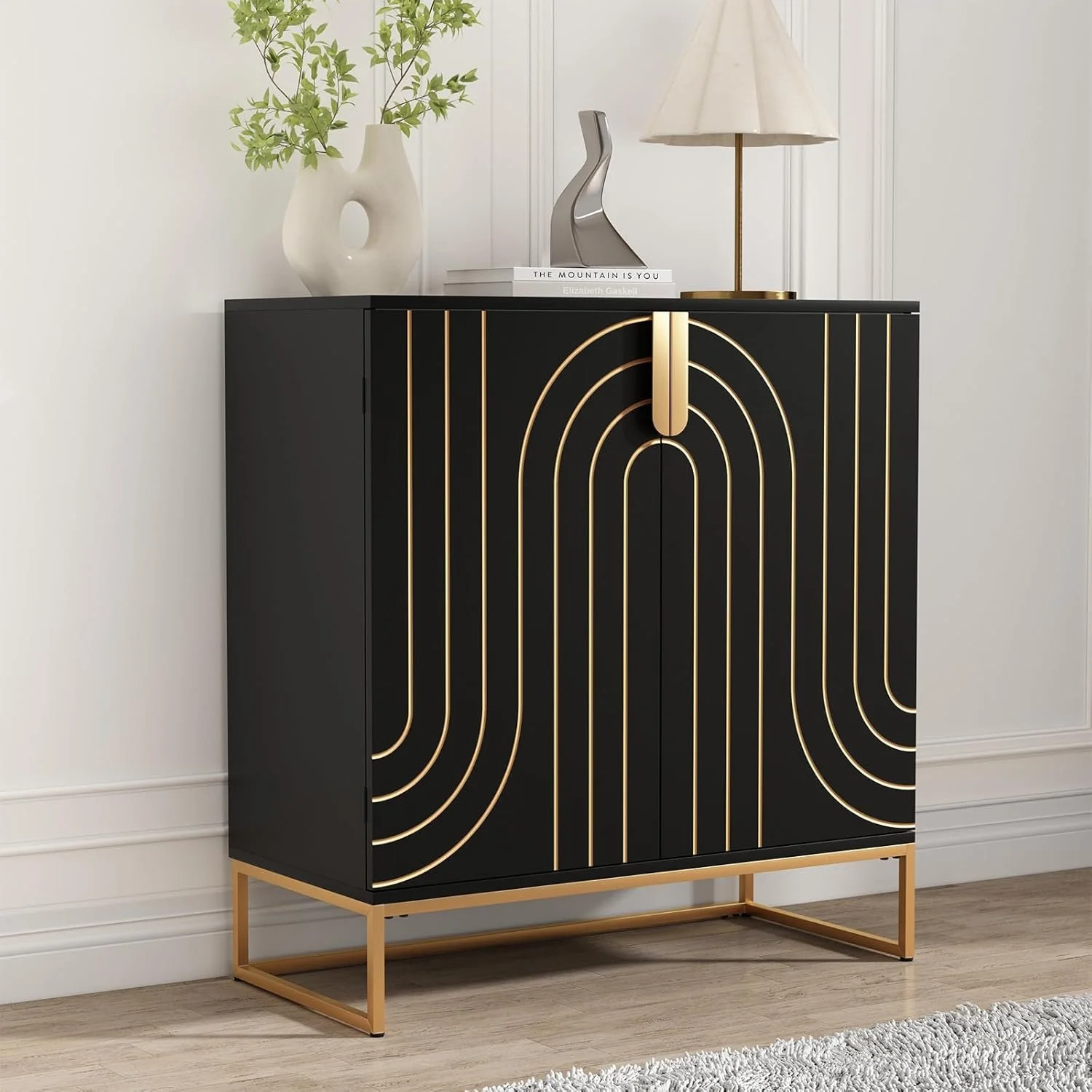
The classic black and metallic accents makes this substantial piece the perfect tie in to Art Deco and other styles
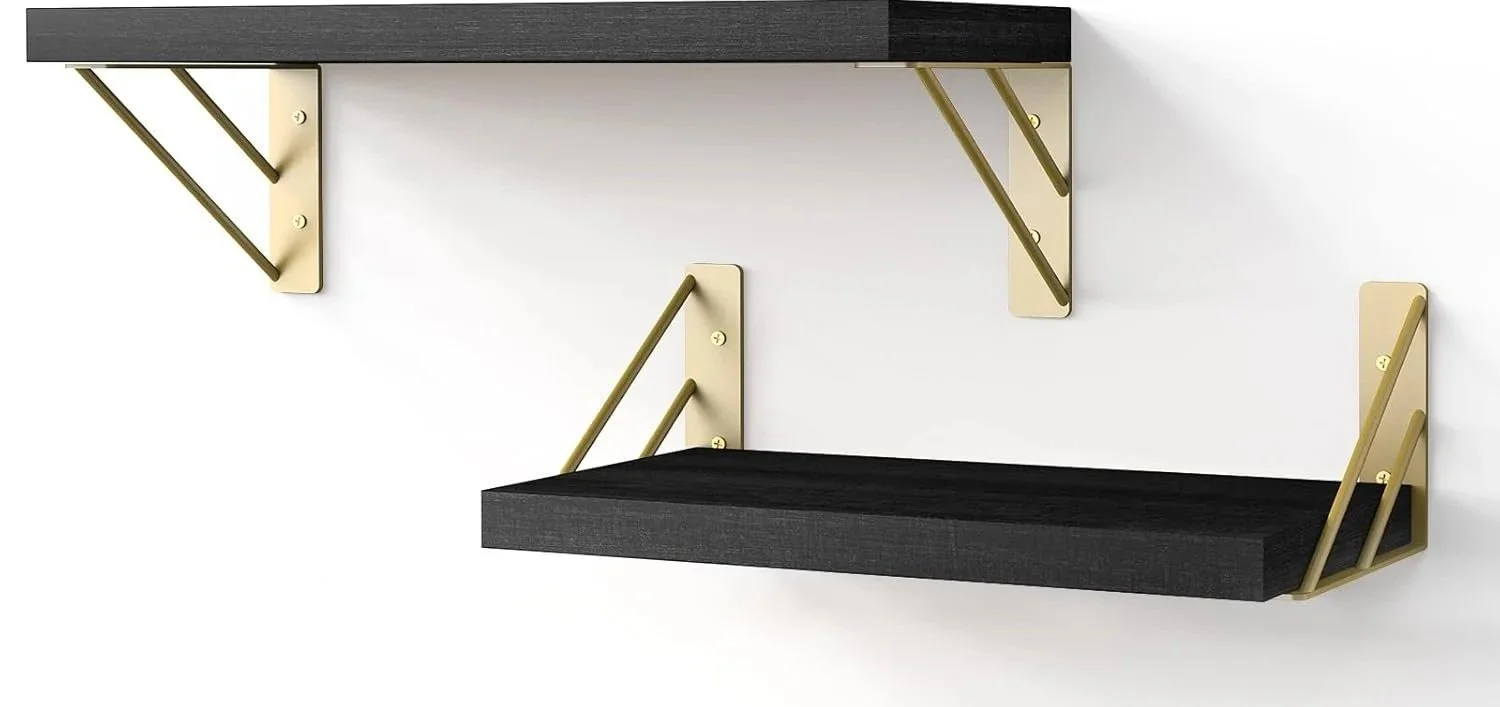
Sleek, sharp lines with dark tones and metallic accents combine practicality and style, perfectly Art Deco.
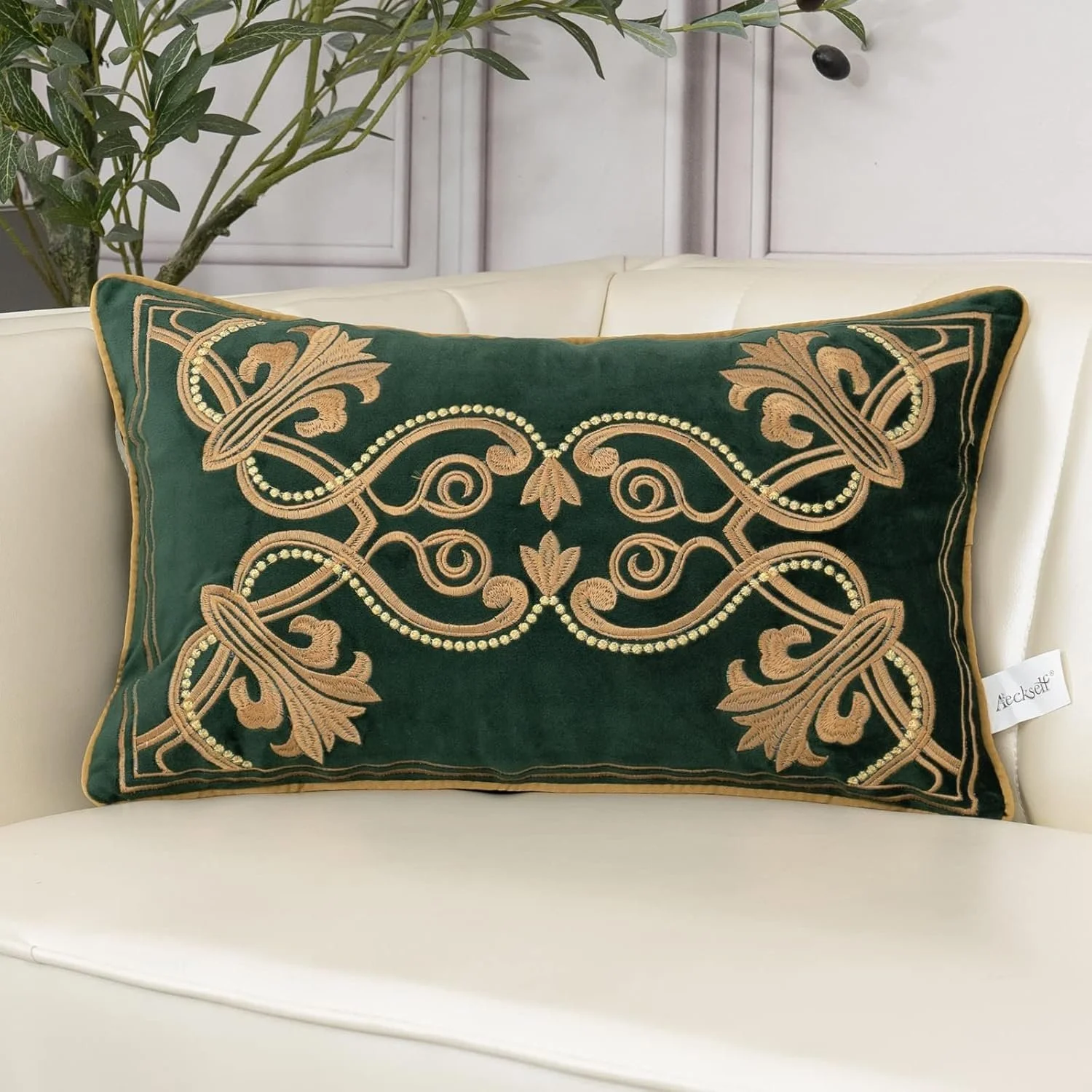
The perfect subtle sentiment of Art Deco, with jewel tones, velvet fabric, and geometric flourish
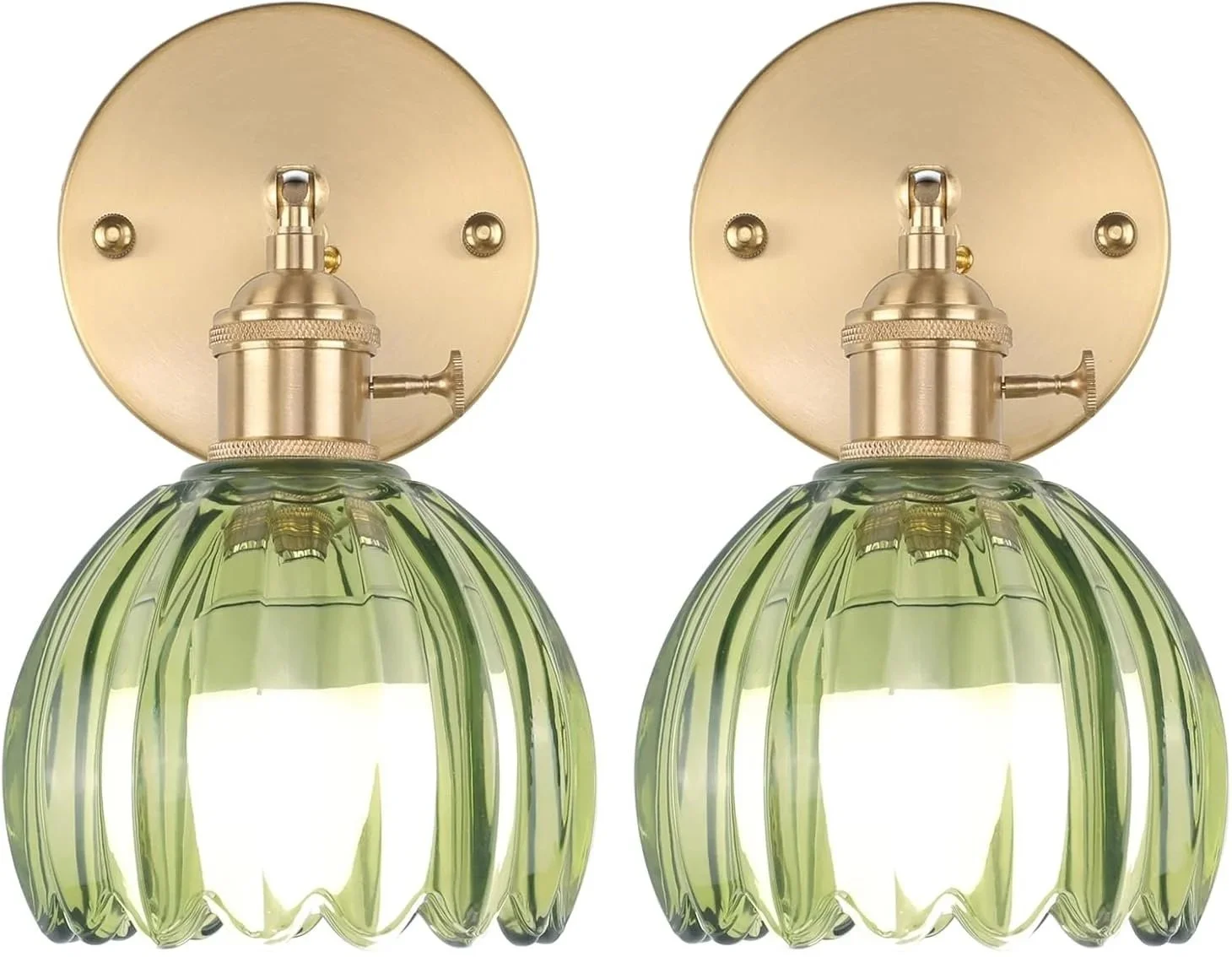
Sconces are quintessentially Art Deco, and these green glass one with gold accents provide the perfect finishing touch to any space
Image Sources
Image: Ambassador Apartments
Source: Art Deco Society of New York
Link: https://www.artdeco.org/art-deco-terra-cotta
Image: Interior of Hotel Tassel
Source: Victor Horta
Link: https://architecture-history.org/schools/ART%20NOUVEAU.html
Image: Chrysler Building
Source: Meinzahn
Link:https://www.istockphoto.com/photo/aerial-panoramic-view-over-upper-manhattan-gm519871070-90754235
Image: Chrysler Building
Source: Drew Angerer
Link: https://www.cnn.com/2025/04/28/style/chrysler-building-art-deco-centennial
Image: Evening Dress
Source: Maison Agnes, Maison de Couture
Link: https://www.parismuseescollections.paris.fr/fr/palais-galliera/oeuvres/robe-du-soir-50
Image: Harpers Bazar Cover
Source: Etre
Link: https://hprints.com/latest/1400752800/Fashion-Cover-Art-Vogue
Image: Autoportrait (Tamara in a Green Bugatti)
Source: Tamara de Lempicka
Link:https://artondemand.famsf.org/detail/514045/lempicka-my-portrait-tamara-in-the-green-bugatti-1929
Image: Iconic Modernist Chair
Source: Eileen Gray
Link: https://www.vam.ac.uk/articles/deckchair-design3
Image: Paysage Bretagne - St. Riomage
Source: Jean Dunand
Link: https://collections.vam.ac.uk/item/O118174/paysage-bretagne---st-screen-dunand-jean/
Image: Normandie
Source: A.M Cassandre