The Case for Real Coffee Table Books in Thoughtful Interiors
For a long time, my living room looked finished, styled, even, but it didn’t feel finished. Everything was technically “right,” yet the space felt flat, like it was waiting for something. I kept adjusting pillows and decor, convinced the problem was aesthetic, when it was actually something quieter and harder to name.
What finally shifted the room wasn’t a new piece of furniture or a trend-driven accessory. It was the moment I stopped treating coffee table books as props and started choosing books I actually cared about. The kind you want to pick up, flip through, and return to. Real books, with weight and meaning, changed the way the space felt almost immediately.
That’s the case for real coffee table books in thoughtful interiors. They aren’t just decorative objects meant to complete a vignette; they’re personal, layered, and quietly expressive. When you decorate with books you genuinely love, your home stops feeling styled for effect and starts feeling lived in, collected over time instead of arranged all at once.
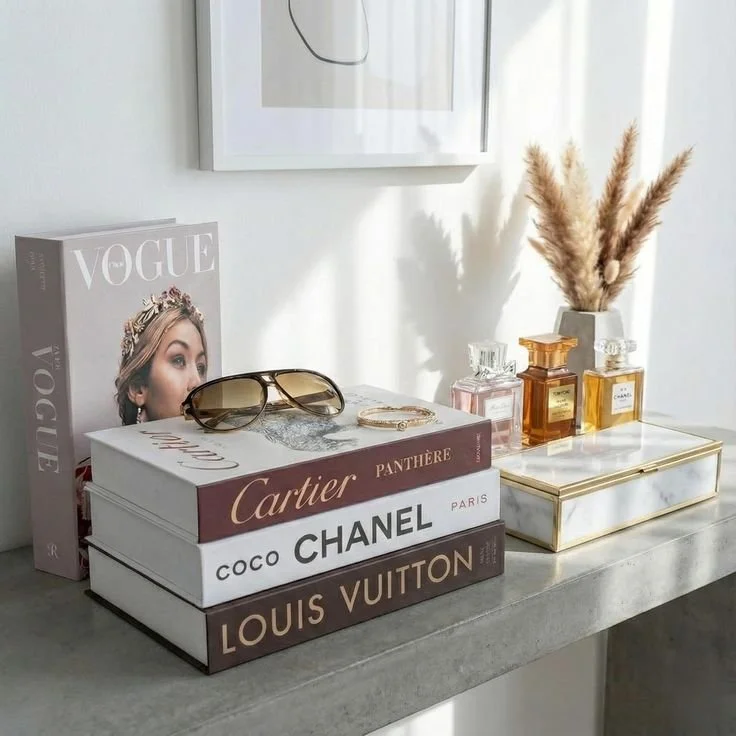
These are as hollow as my stomach before breakfast
I’ve always gravitated toward real coffee table and interior design books when styling a space — not because I think every surface needs to feel scholarly, but because real books bring something faux ones never quite can.
Real books add soul.
Even when they’re never read cover to cover, they carry ideas, references, and a point of view. They hint at what inspires you, what you notice, and what you’re drawn to visually. A stack of real books feels collected over time, not styled all at once. There’s a quiet depth to them that makes a room feel more personal and less like a showroom.
There’s also the way real books age. Corners soften. Spines relax. Pages settle into themselves. That subtle wear adds warmth and keeps a space from feeling too new or too perfect. Faux books, by comparison, stay frozen, glossy, hollow, and unchanged, which can sometimes make a room feel staged rather than lived in.
From a purely practical standpoint, real books are also easier to style. They have weight, so stacks stay put. They anchor objects beautifully, whether it’s a small bowl, a sculptural object, or a strand of beads. Decorative books often shift, collapse, or feel slightly off in scale, even when they look good at first glance.
But what I love most is that real books invite interaction. Someone flips through one while waiting. A guest notices a title and starts a conversation. You open one on a quiet afternoon and find yourself inspired by an image you’d forgotten about. They give a space a purpose beyond how it photographs.
This doesn’t mean every surface needs books, or that you need shelves full of them. A single stack on a coffee table, a few mixed into a bookcase, or one thoughtful book on a console is enough to change the energy of a room. It’s not about quantity, it’s about intention.
I’m not against faux decorative objects, lord knows I can’t keep a real plant alone to save my life, but when it comes to books, I always choose the real thing. They bring weight, warmth, and meaning to a space, and that’s what makes a home feel finished, but still human.
My Favorite Coffee Table Books to Decorate With
I usually style coffee table books in small stacks of two or three, mixing horizontal and vertical placement depending on the table. I’ll often place a simple object on top — a bowl, a candle, or something sculptural — and leave at least one book easy to pick up and flip through.
You don’t need many books to make an impact. A few thoughtful choices almost always feel better than filling every surface.
When I’m choosing books to leave out, I look for ones that feel timeless, books I won’t get tired of seeing and that work just as well styled open as they do stacked. These are a few of my go-to categories that I return to again and again.
As an Amazon Associate, I earn from qualifying purchases. This means I may earn a small commission when you click my linked images, at no extra cost to you. Clicking these links helps support my site and allows me to continue providing content. Thank you!
Interior design books with strong photography
These are the backbone of most of my stacks. I gravitate toward books that focus on texture, restraint, and lived-in spaces rather than trends. Even a quick flip through can change how I see a room.
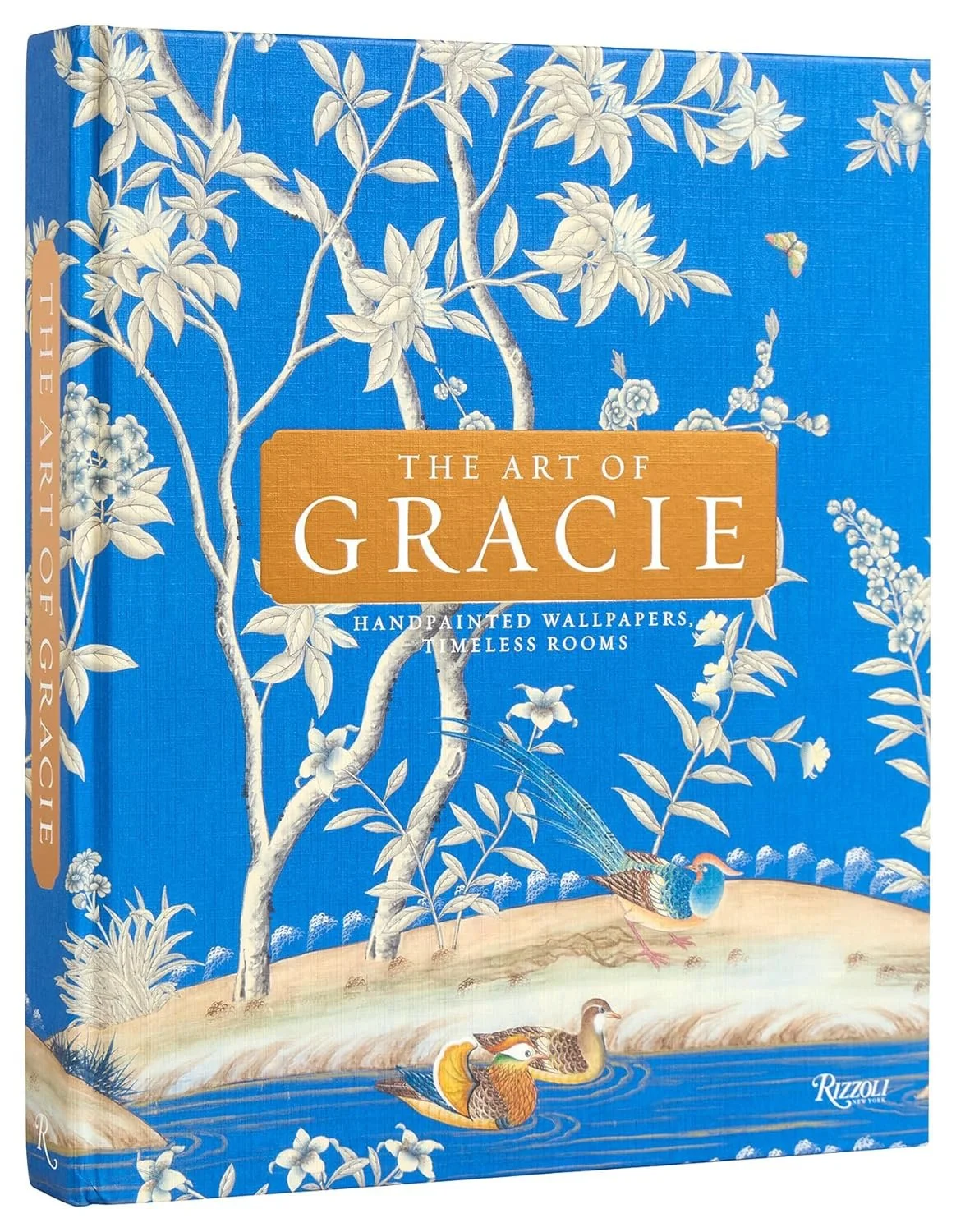
The Art of Gracie
This book is a beautiful way to introduce pattern and softness into a stack without overwhelming the space. I love it layered with more neutral or architectural books — it adds a sense of history and artistry while still feeling light and refined. It’s especially good when you want a coffee table to feel collected rather than styled all at once.
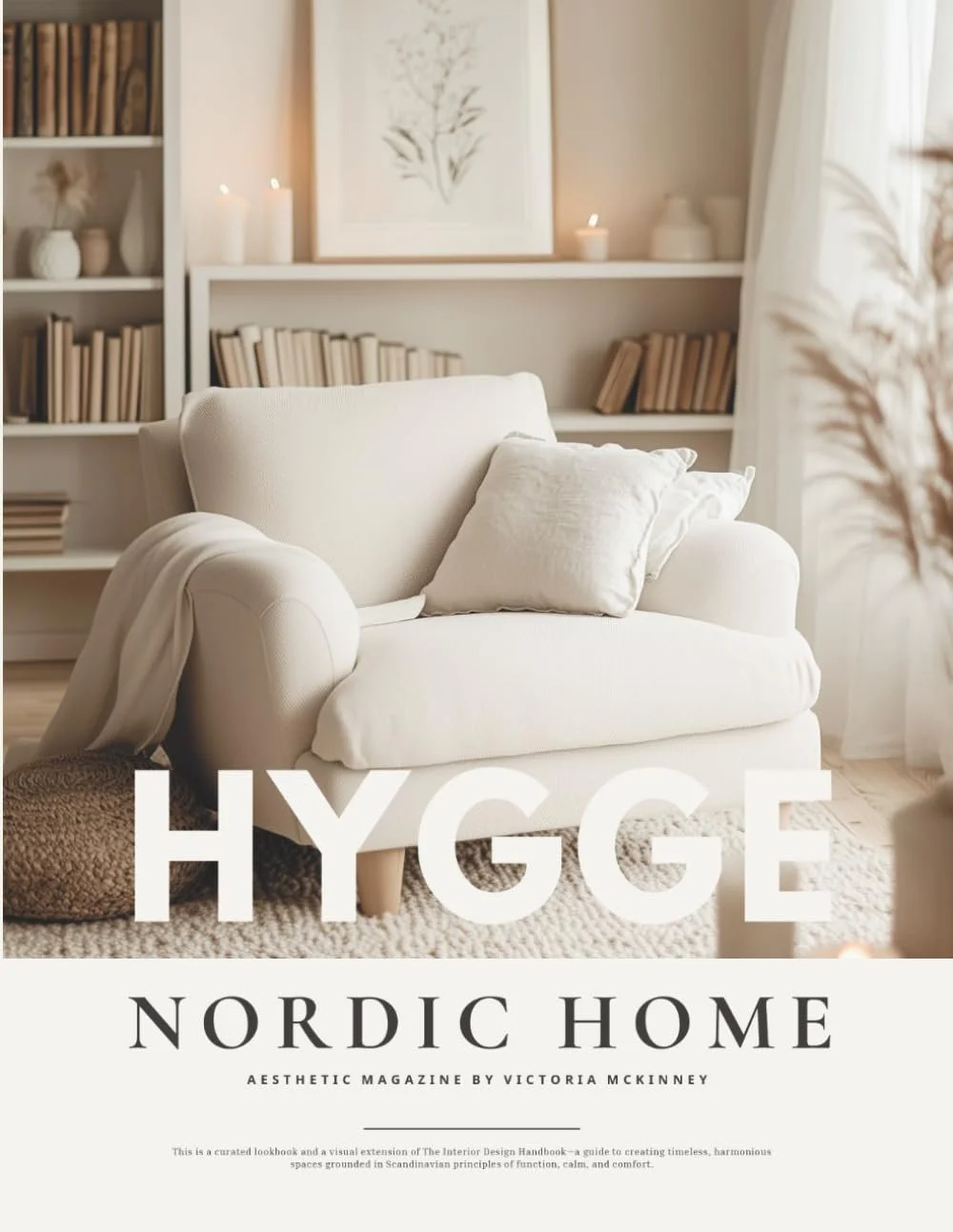
Hygge: Nordic Home
This is a go-to when I want a space to feel calm, warm, and quietly inviting. The imagery leans soft and textural, which makes it especially easy to style in neutral or light-filled rooms. I love pairing it with more expressive or patterned books to ground a stack and bring everything back to a sense of ease.
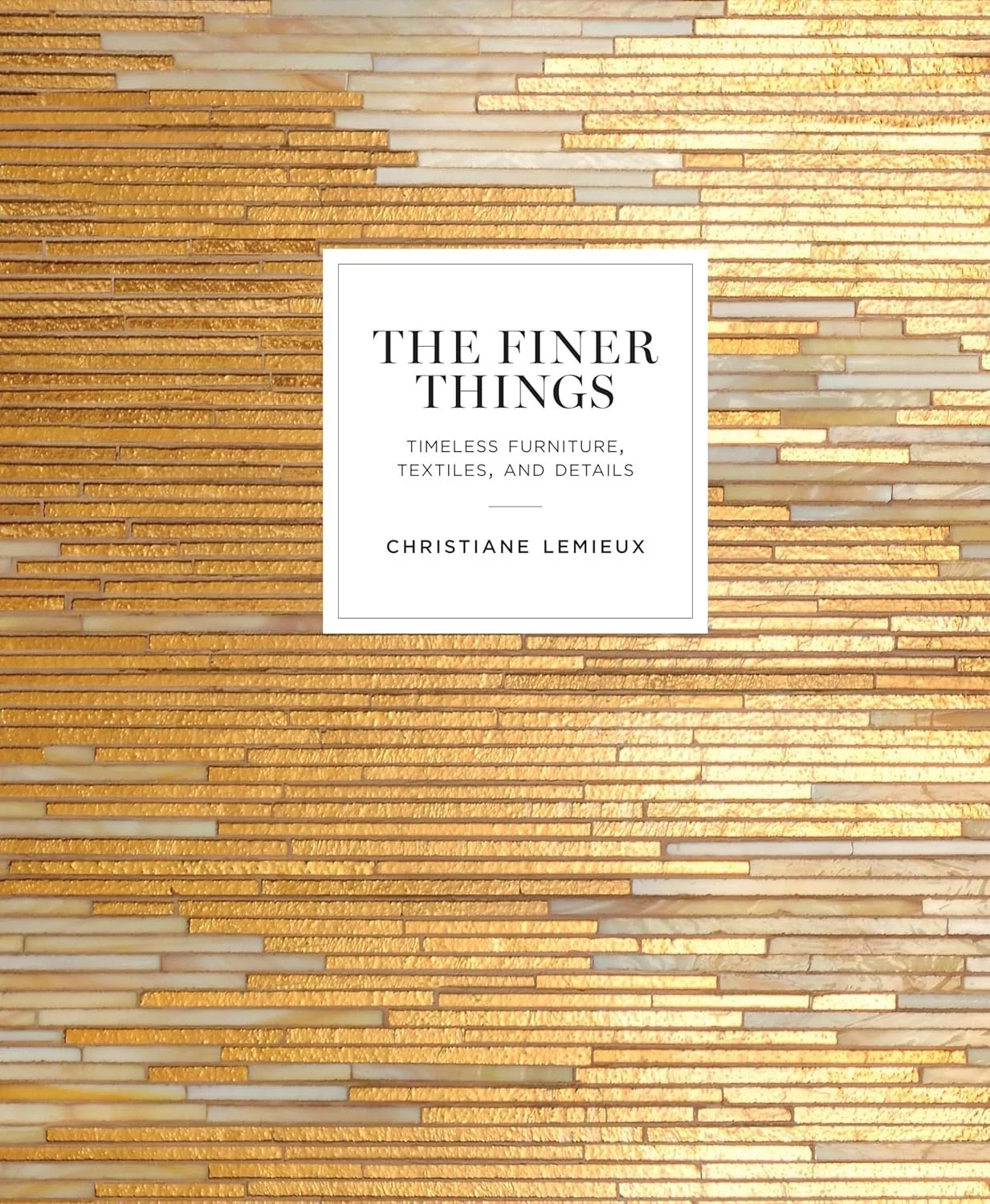
The Finer Things
This book brings a sense of polish and quiet sophistication to a coffee table without feeling formal. I love it layered with softer or more relaxed titles to add contrast and balance — it’s the kind of book that elevates a stack while still feeling approachable. Perfect when you want a space to feel refined but lived-in.
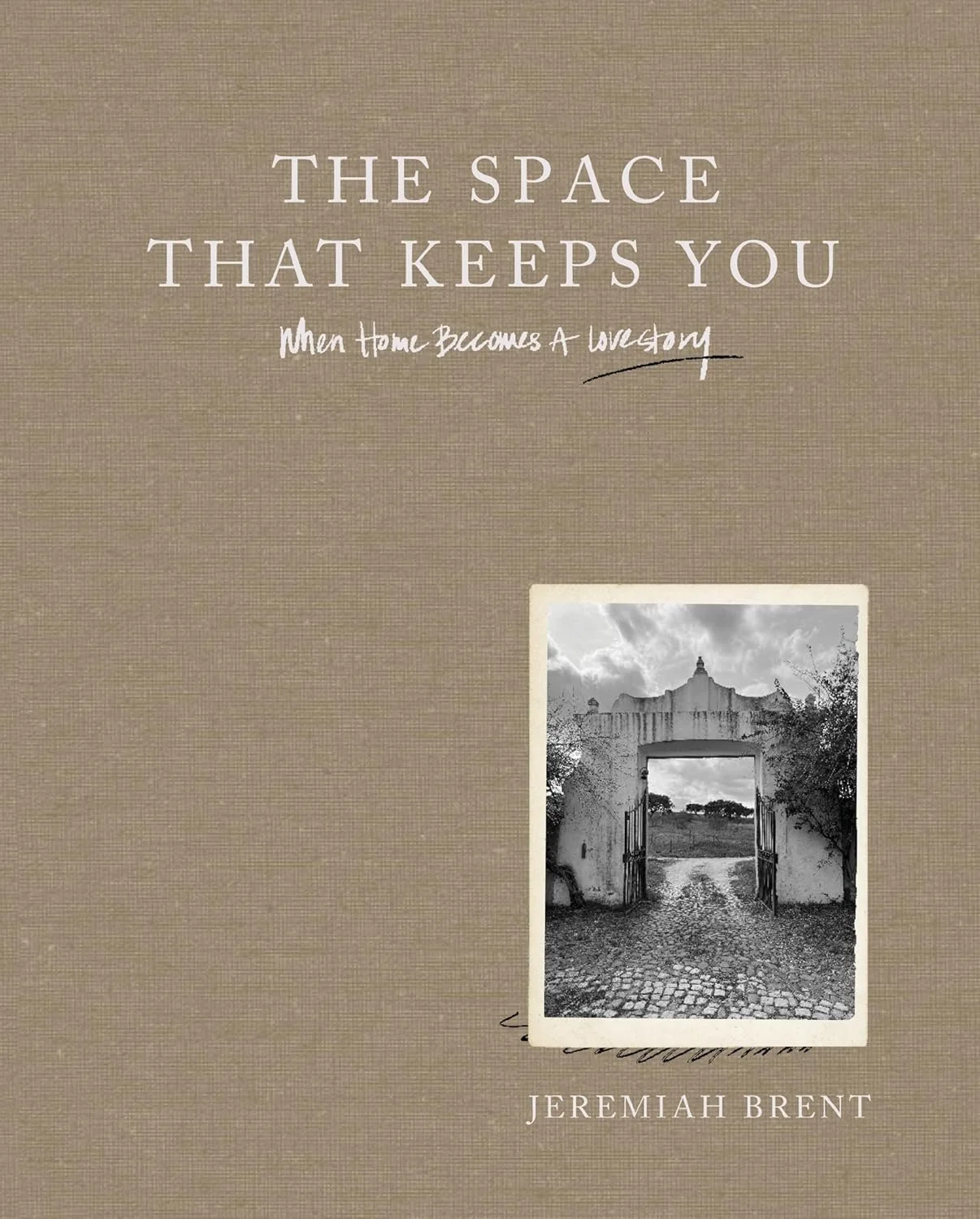
The Space That Keeps You – Jeremiah Brent
A grounding, thoughtful interiors book that works beautifully as a base layer on a coffee table. I love this one for neutral, lived-in spaces where you want warmth without visual noise.
Lesson and guides featuring classic and modern design
Find a design niche that speaks to you, and your coffee table book will double as a text book. Get inspiration for styles that feel true to you and the people that live in the home.
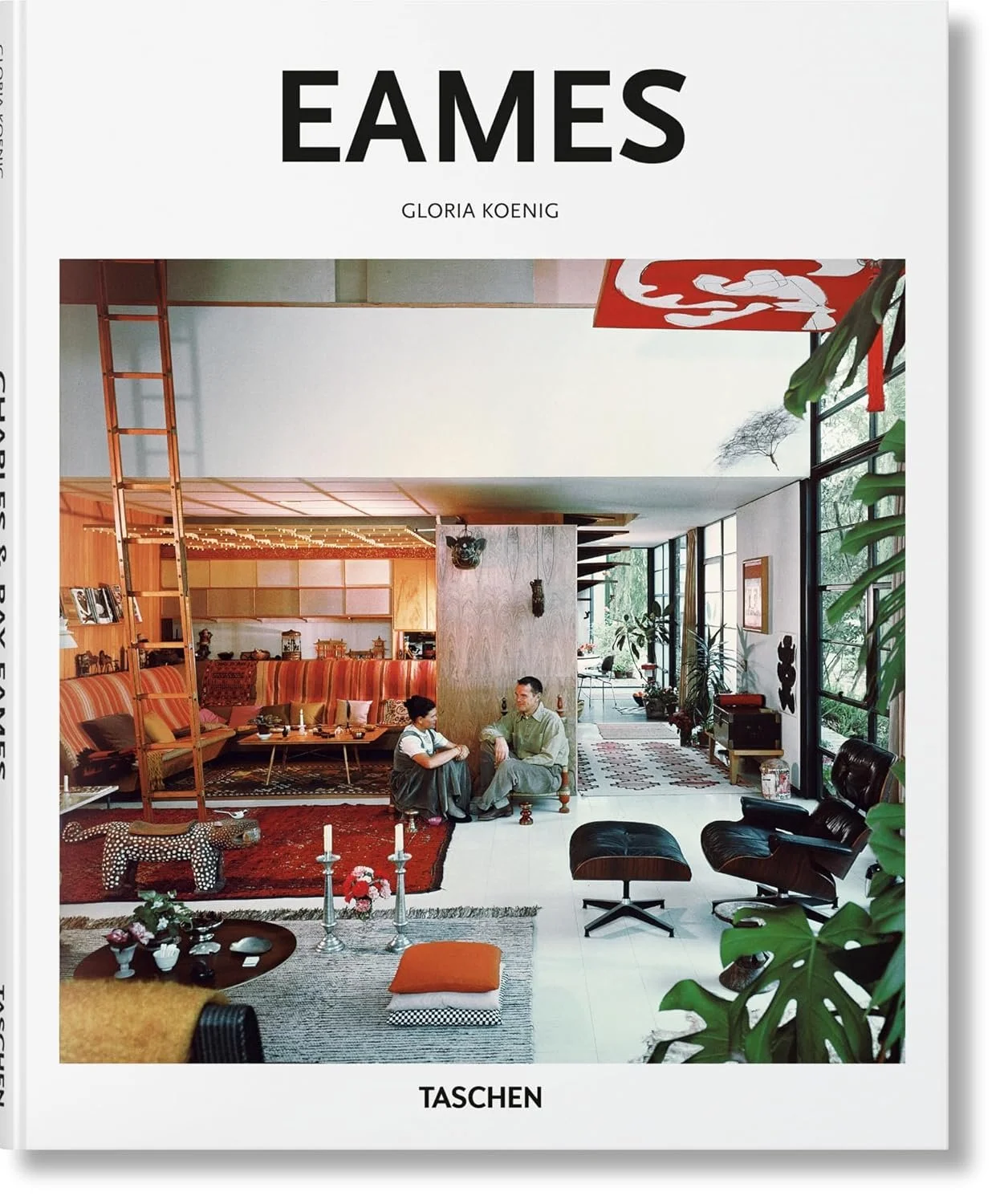
Eames – Gloria Koenig
This book adds a strong architectural presence to a coffee table without feeling heavy. I love using it as a grounding piece in a stack — its clean lines and iconic imagery bring structure and contrast, especially when paired with softer or more expressive titles. It’s perfect for spaces that lean timeless and thoughtfully designed.
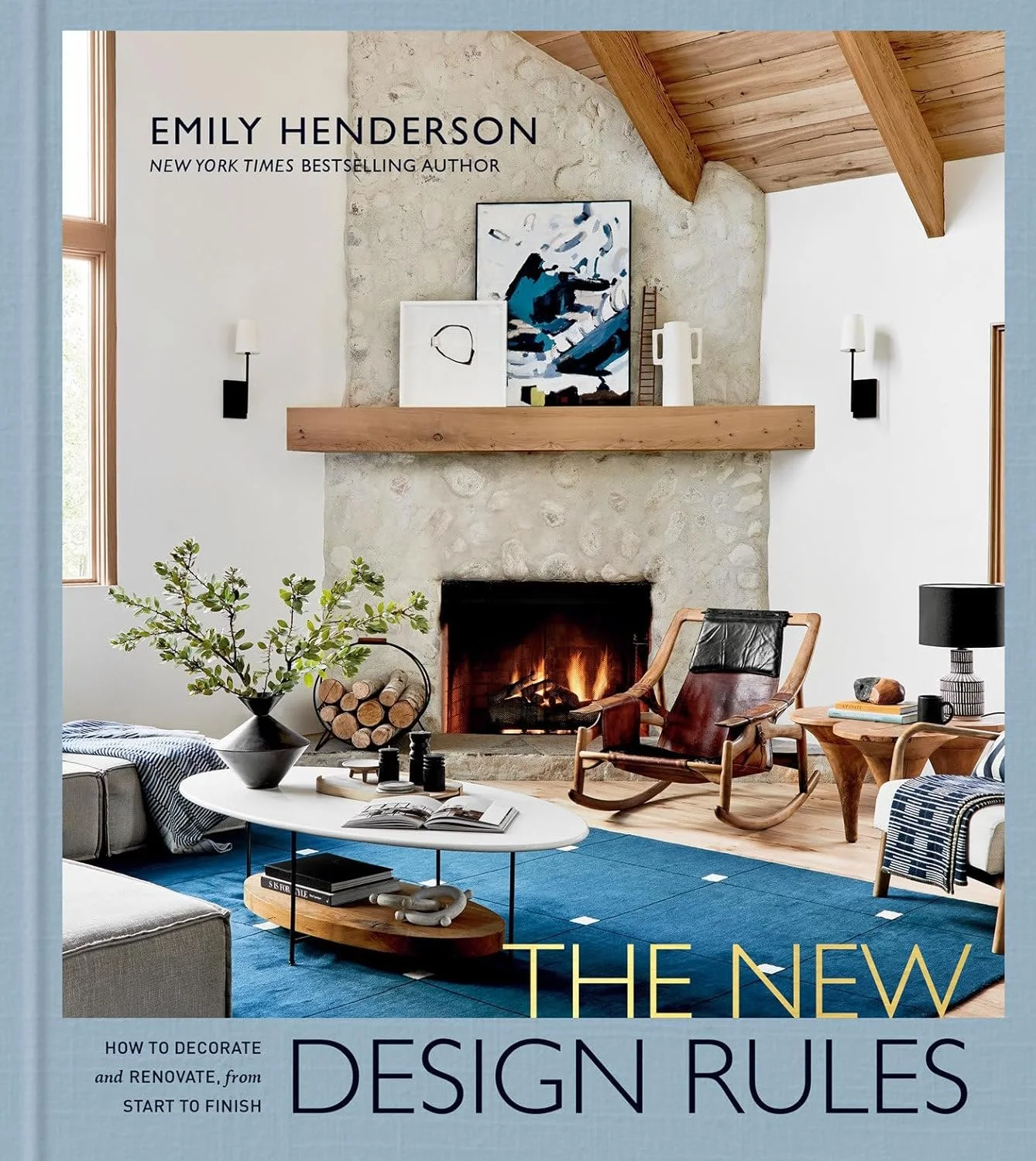
The New Design Rules – Emily Henderson
This is one of those books that feels both practical and approachable. It adds an easy, modern energy to a stack and works especially well when paired with more timeless or architectural titles. I like it when I want a coffee table to feel current and useful without losing its sense of warmth or personality.
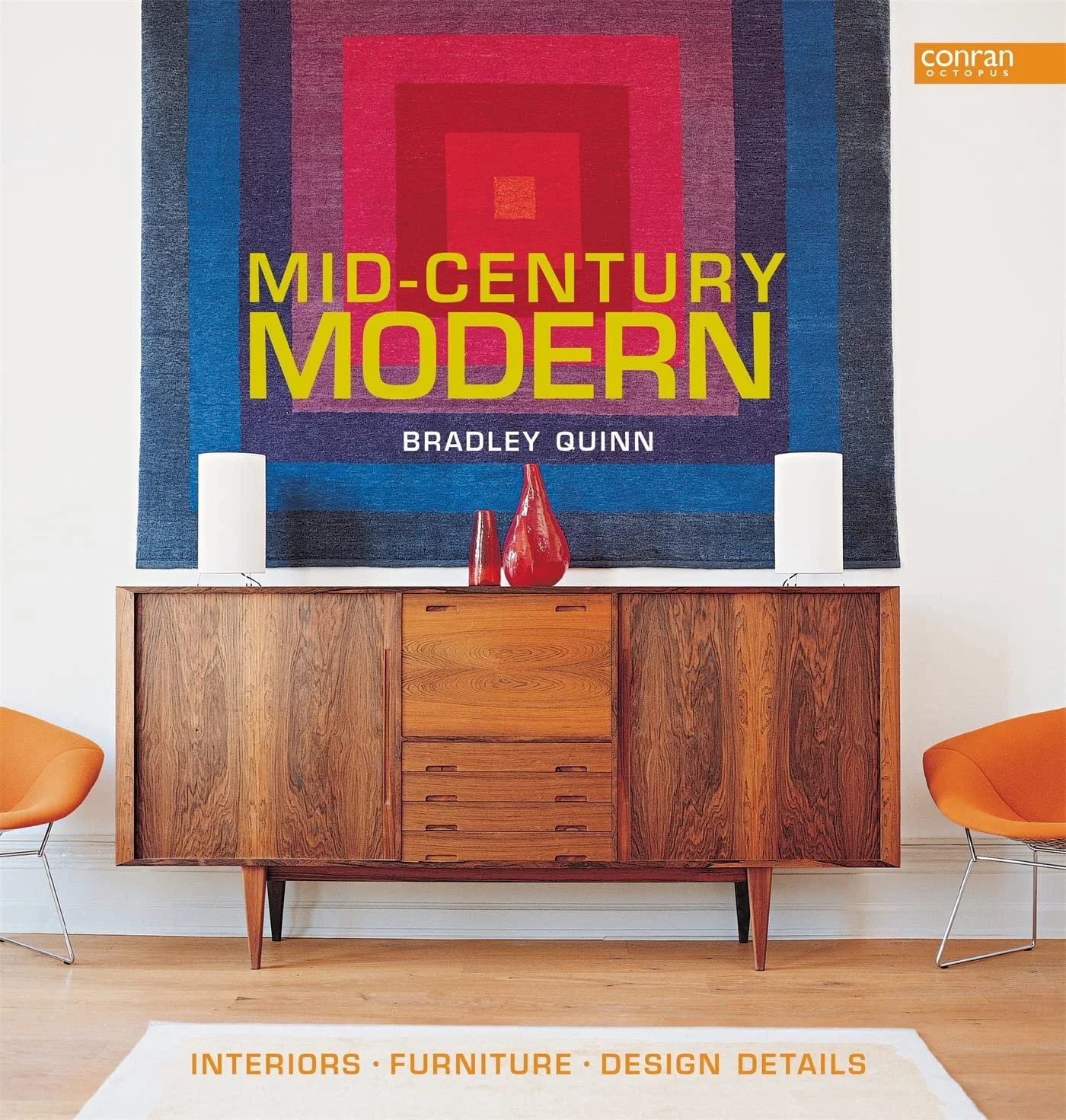
Mid-Century Modern – Bradley Quinn
This book brings a sense of structure and timeless design to a coffee table. I love it as a grounding piece in a stack — the clean lines and classic interiors add balance when paired with softer or more decorative titles. It’s an easy way to introduce history and intention without overwhelming the space.
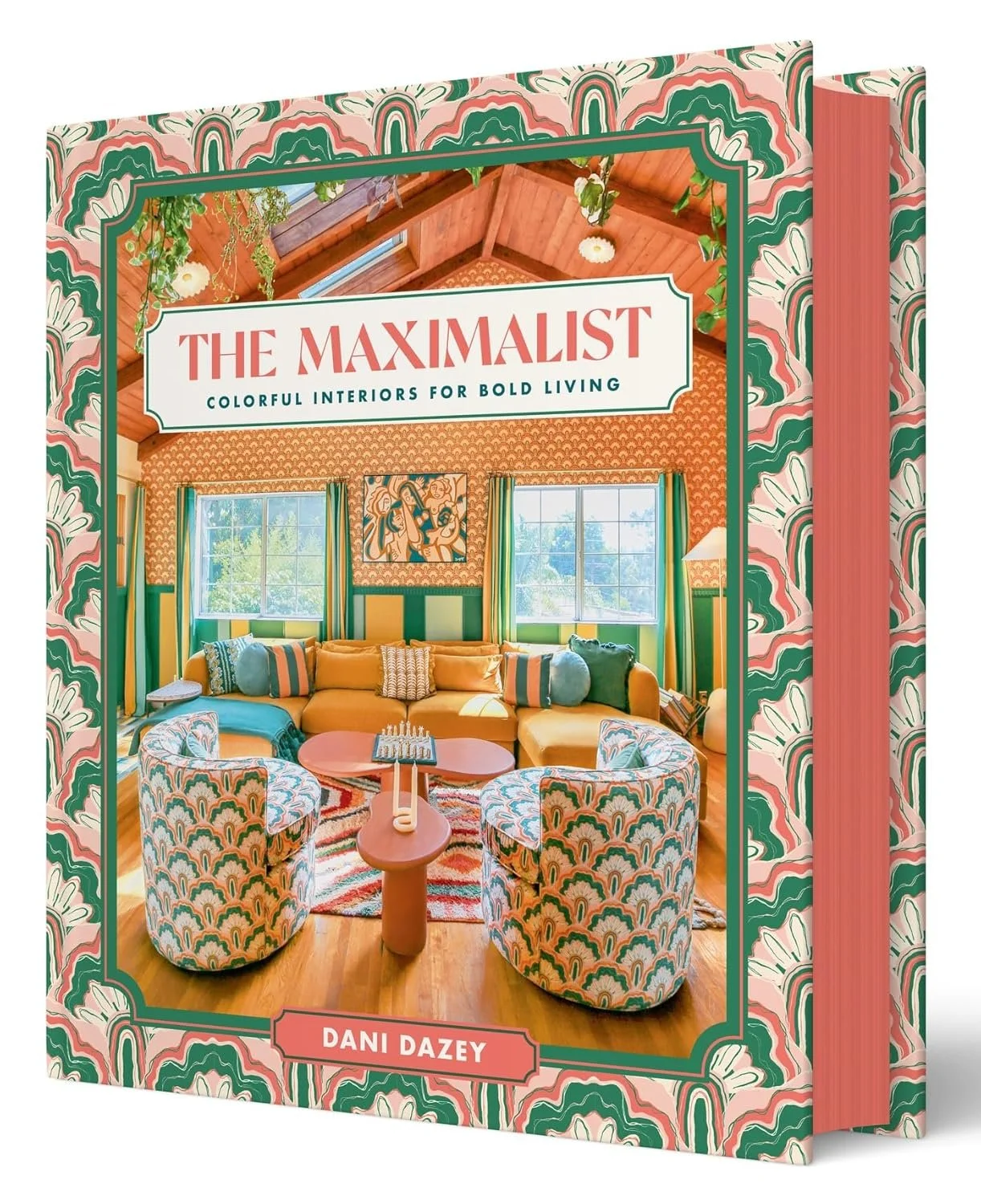
The Maximalist - Dani Dazey
This book brings depth, color, and confidence to a coffee table without feeling chaotic. I love using it as a contrast piece in a stack — it adds energy and visual interest while still feeling intentional. It’s perfect when you want to balance more restrained books with something expressive and layered.
Art and visual culture books
A single art-focused book mixed into a stack instantly shifts it from “decorative” to intentional. I love books that feel slightly unexpected, they’re often the ones guests pull off the table first.
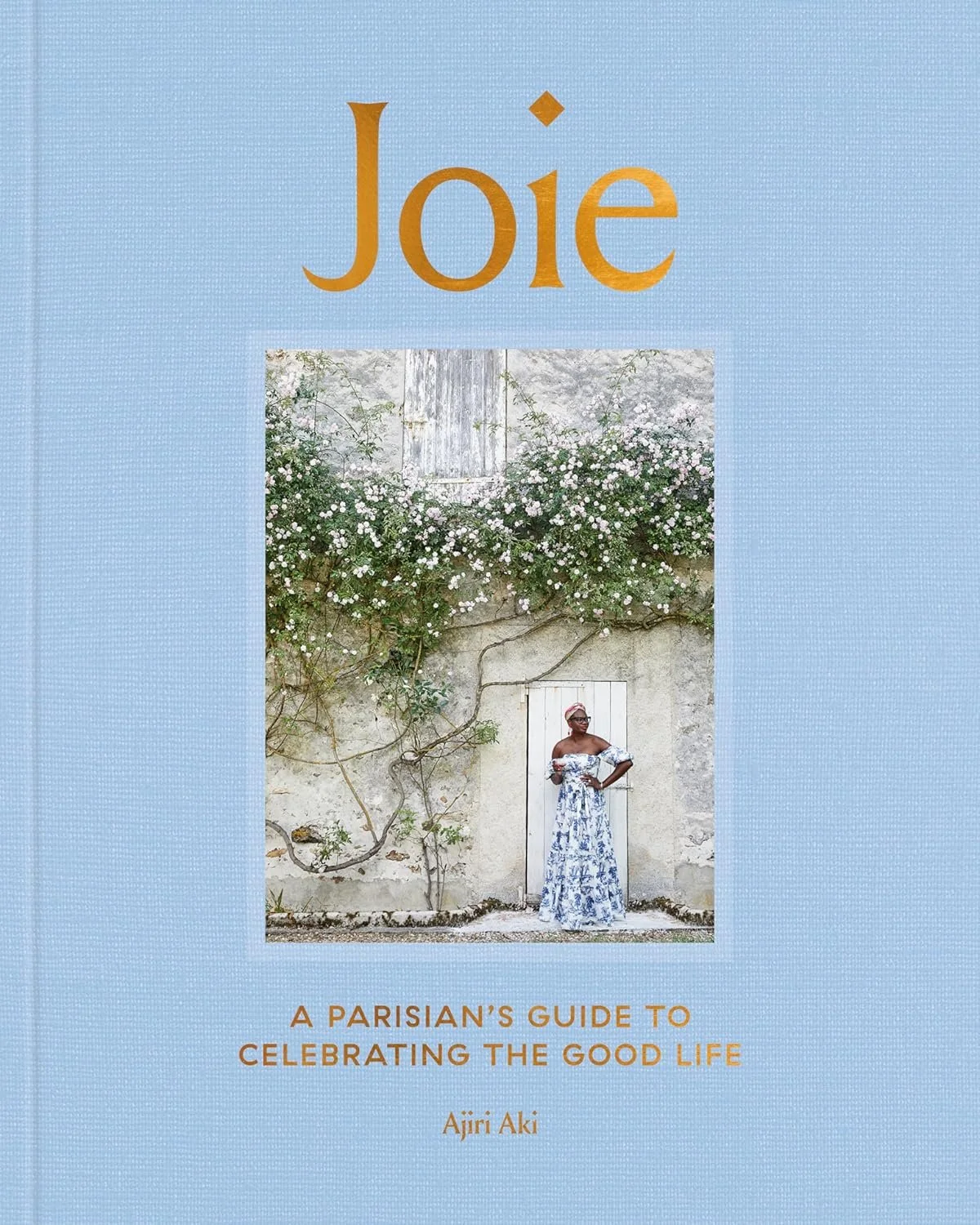
Joie - Ajiri Aki
Joie adds softness and a quiet sense of romance to a room. It’s the kind of book that feels collected rather than curated, and it pairs especially well with warm textures like wood, linen, and stone. I love it when I want a coffee table to feel relaxed but still intentional.
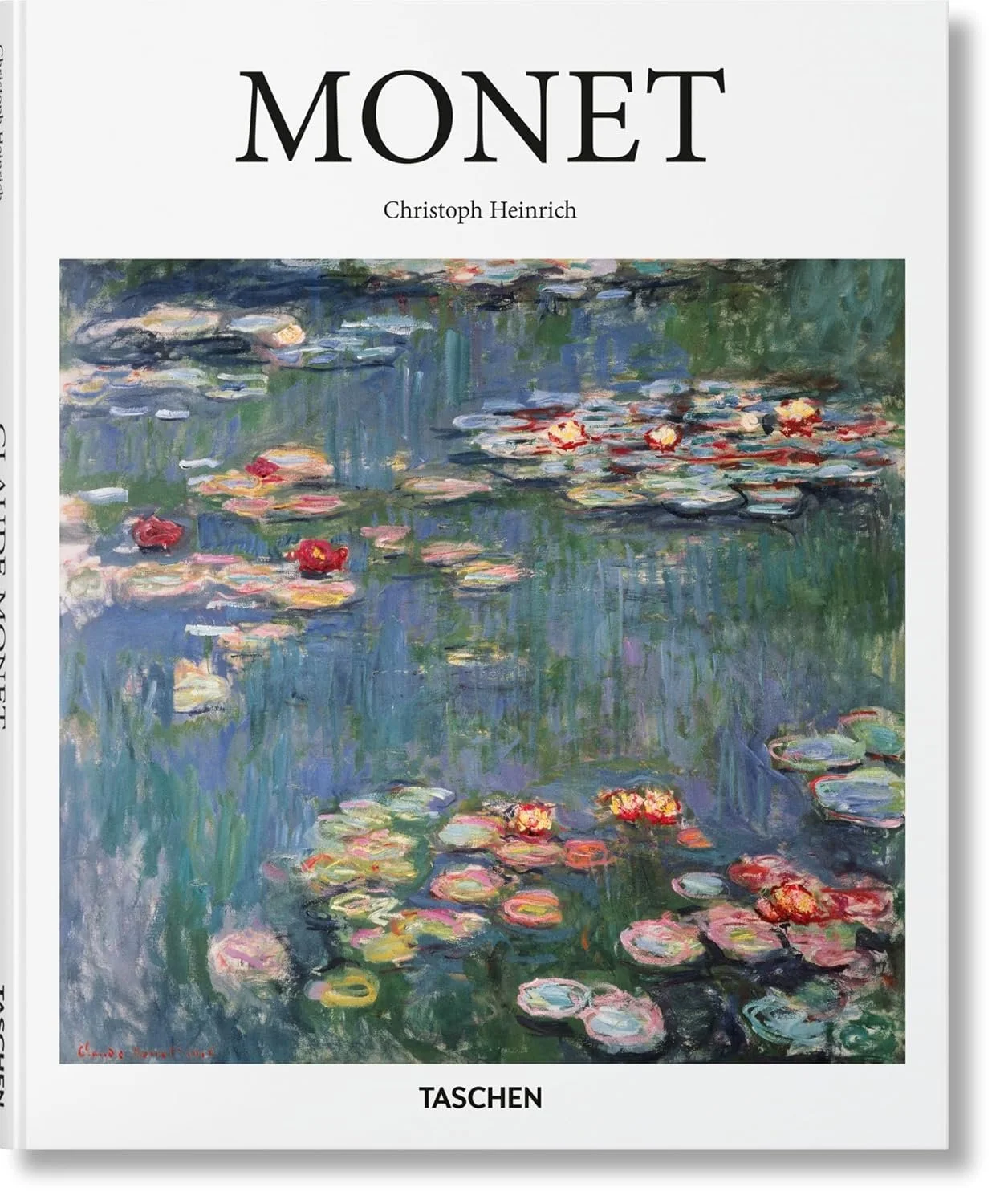
Monet – Christoph Heinrich
This book adds a soft, painterly quality to a coffee table and works beautifully as a lighter, more expressive layer in a stack. I love pairing it with more architectural or structured titles to create balance — it brings a sense of calm, color, and artistry that feels timeless rather than decorative.
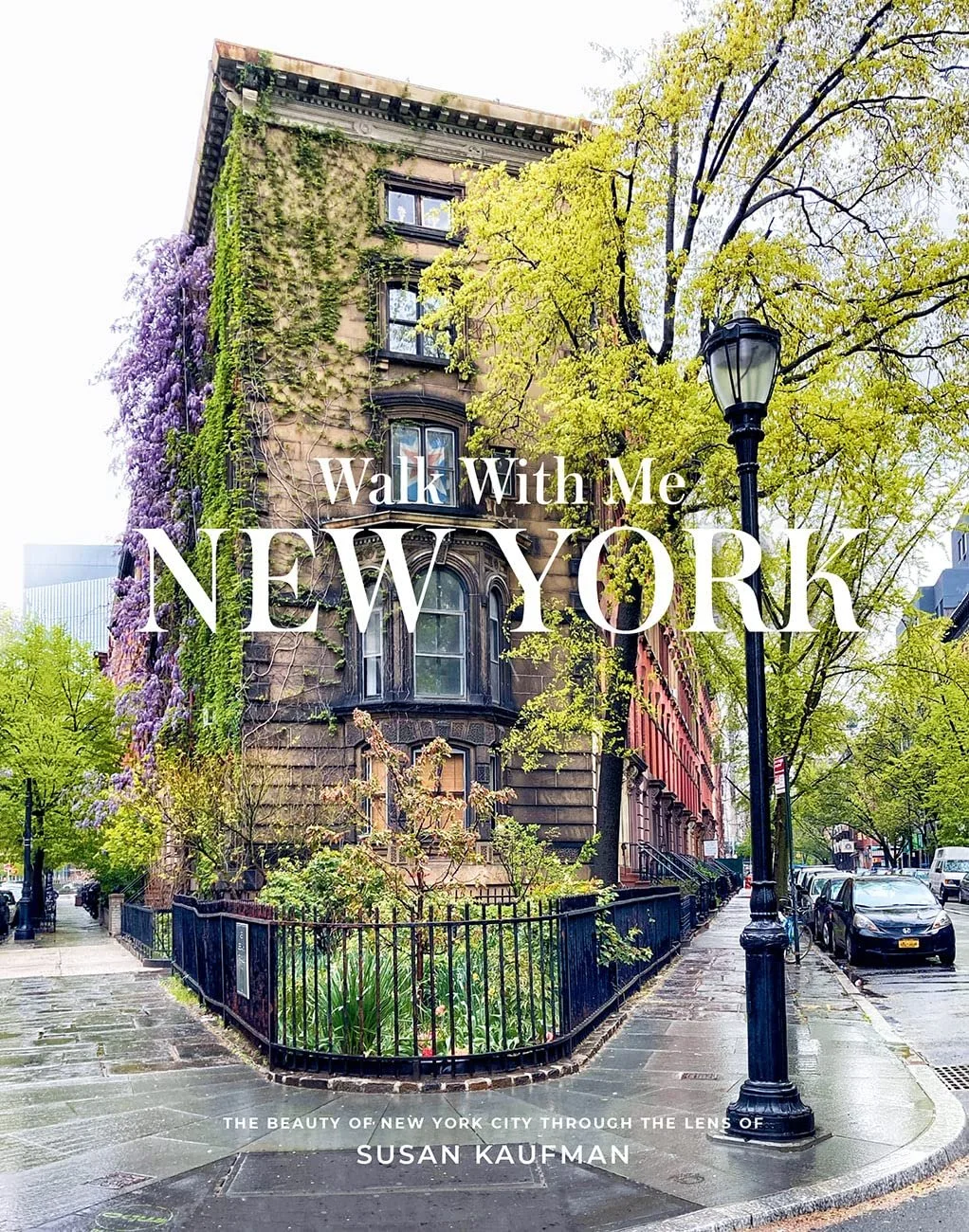
Walk With Me New York - Susan Kaufman
This book brings a sense of movement and lived-in energy to a coffee table. I love it layered with more structured design books — it adds personality and a subtle narrative that makes a space feel personal rather than purely styled. It’s perfect when you want a room to feel collected, curious, and quietly inspired by place.
There and Back: Photographs from the Edge - Jimmy Chin
This book adds a quiet sense of depth and introspection to a coffee table. I love it as a contrast piece in a stack — the photography feels thoughtful and expansive, grounding more decorative titles while adding a subtle sense of story. It’s perfect when you want a space to feel layered, personal, and a little reflective.

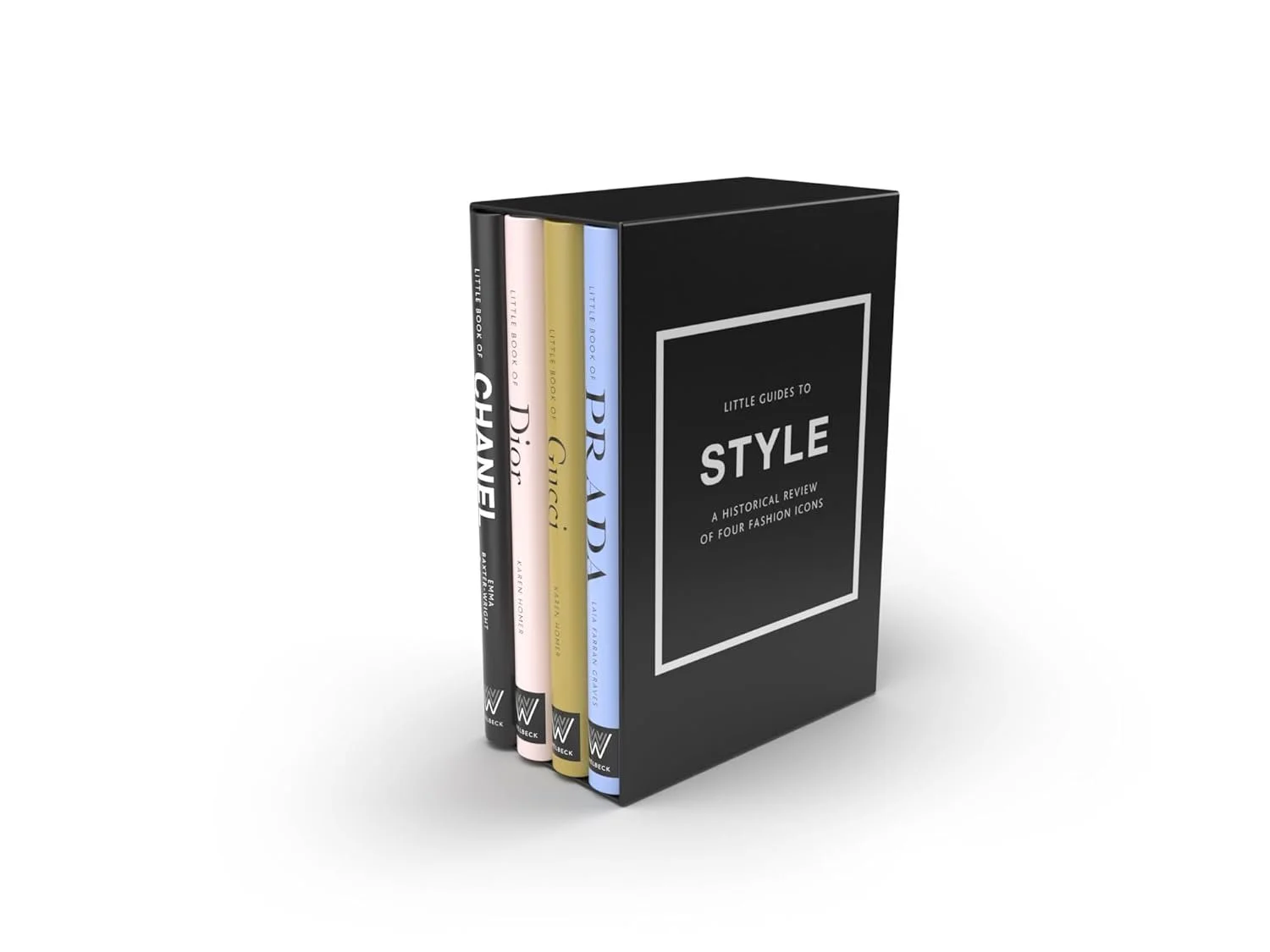
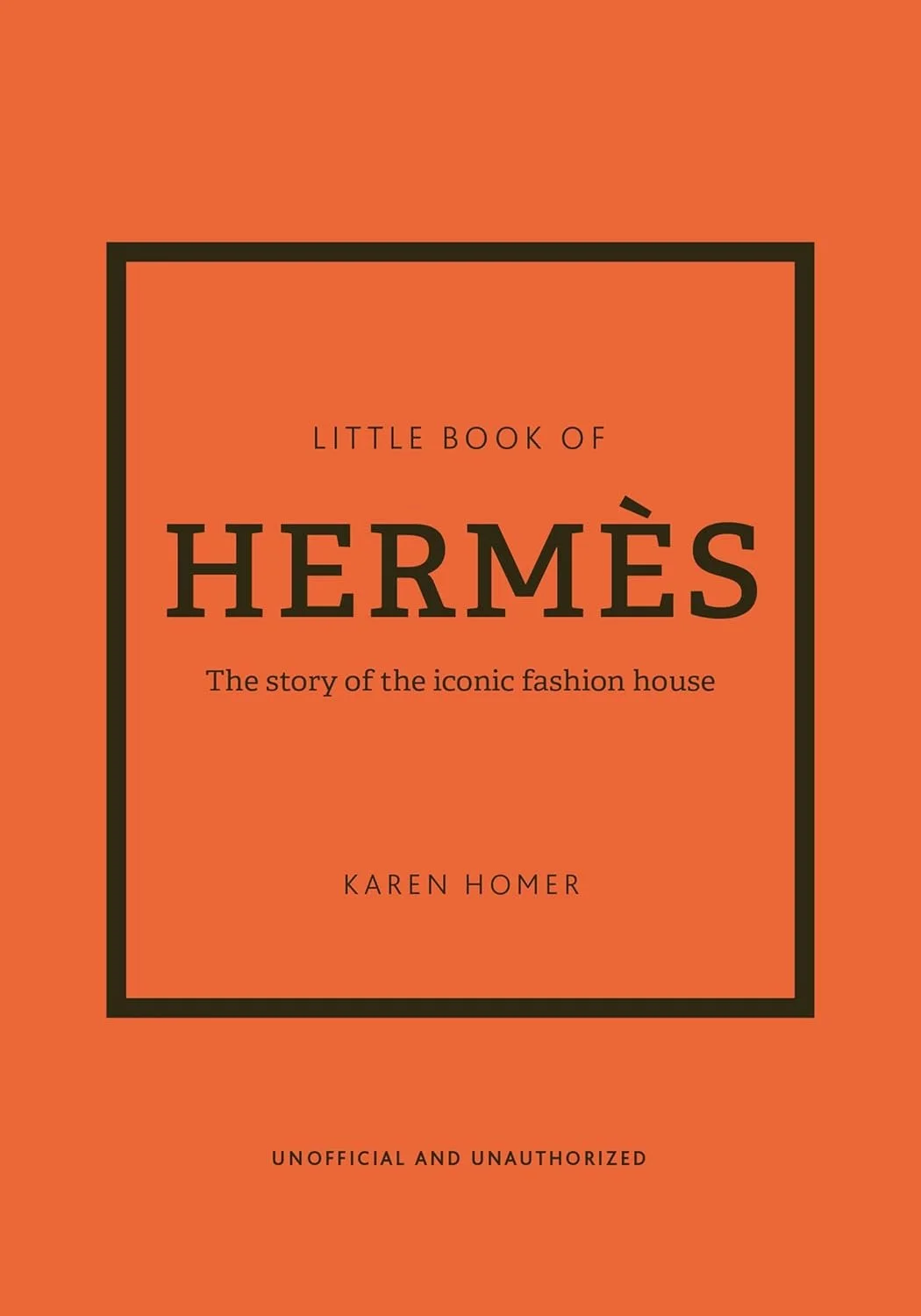
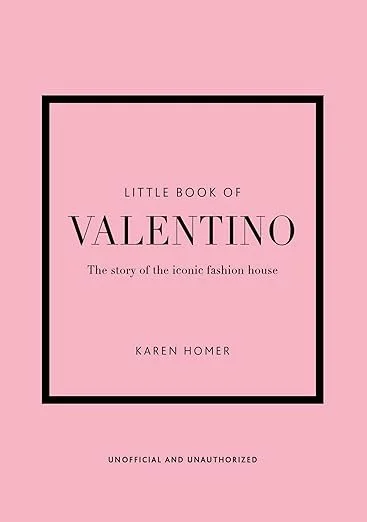
Little book, big impact
Perfect for little spaces that need a finishing touch, the series Little Guides to Style makes a great addition for the fashion savvy that worship the classic brands. Place them together for a curated collection that guests will be thrilled to flip through.

What’s currently on my table
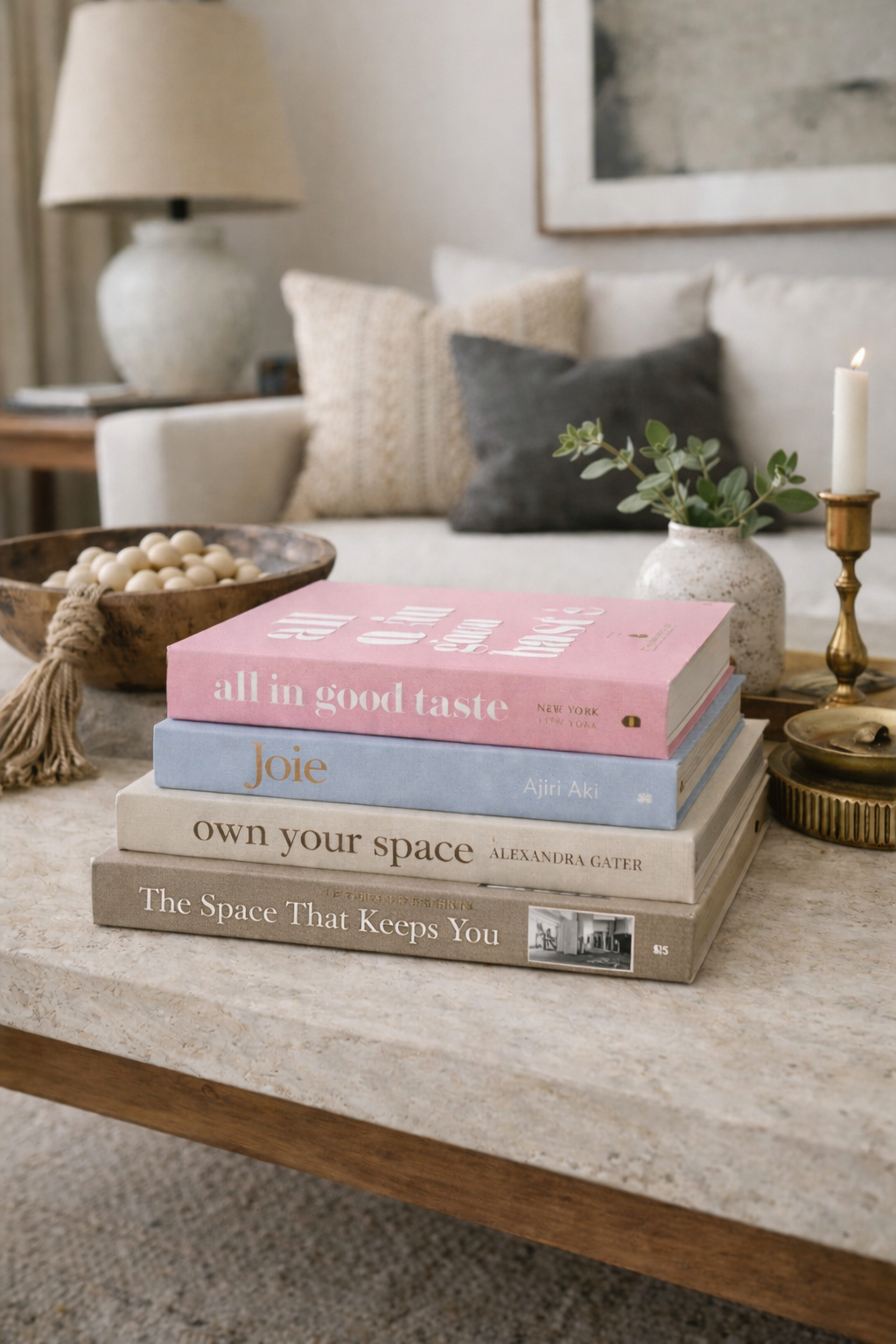
I don’t style with dozens of books at once. A few thoughtful choices go much further than filling every surface, and over time they become part of how the space lives and evolves. For right now, this is what I have on my coffee table in my living room.
All in Good Taste - Kate Spade New York
This book brings a sense of ease and personality to a coffee table. It’s lighter in tone and works beautifully layered with more architectural or neutral books to keep a stack from feeling too serious. I often reach for this one when I want a space to feel welcoming and effortless.
Things We Love – Kate Spade New York
This book brings a playful, polished energy to a coffee table without feeling overly styled. I love it layered with more neutral or architectural titles to add personality and lightness — it’s the kind of book that makes a space feel cheerful, welcoming, and effortlessly pulled together.
Places to Go, People to See – Kate Spade New York
This book brings a sense of curiosity and lighthearted sophistication to a coffee table. I love it layered with more structured design or art books — it adds personality and a subtle sense of movement that makes a space feel lively and well-traveled without being busy. It’s perfect for keeping a stack feeling fresh and approachable.
Own Your Space – Alexandra Gater
This book brings a fresh, approachable perspective to a coffee table. I love it layered with more timeless or architectural titles — it adds energy and personality while still feeling thoughtful and lived-in. It’s perfect for spaces that feel personal and evolving, rather than overly styled or finished all at once.



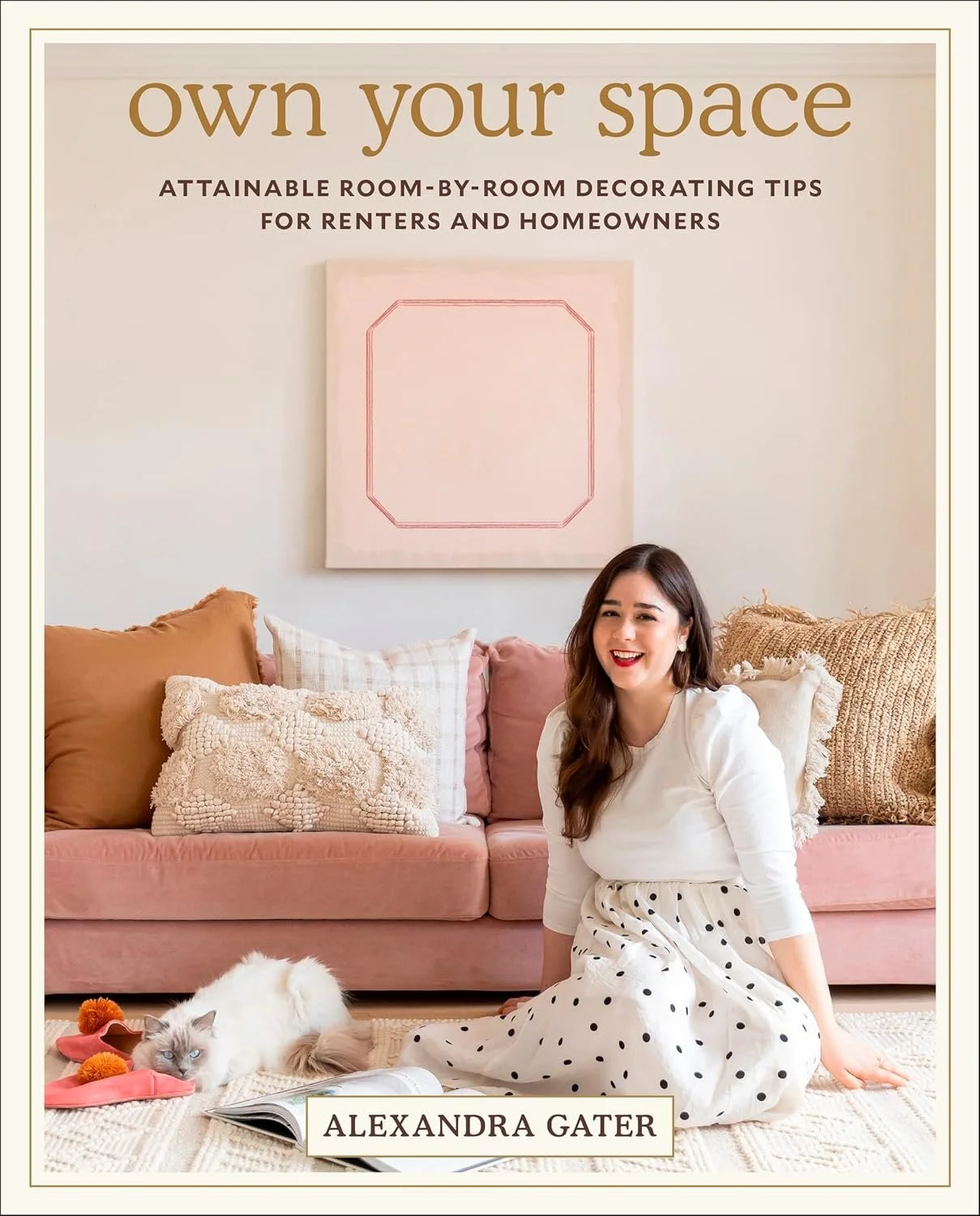
One of my favorite designers and aesthetics is the Kate Spade brand, so it’s very on par for me to have three different coffee table books from them. I like to group them together as a way to bring cohesion, but that’s not a rule. You can absolutely mix and match categories to reflect how you’re feeling in the moment. The last book is a book from interior designer Alexandra Gater, who has a popular YouTube series. She specializes in smaller spaces, and since space isn’t always at a premium, I’ve definitely gotten some great use out of this book.
At the end of the day, decorating with real books isn’t about following a rule — it’s about choosing pieces that feel meaningful to you. The right coffee table book might reflect how you live, what you’re inspired by, or simply what you enjoy seeing every day. Over time, those small choices add up to a home that feels layered, personal, and lived-in.
If you’re looking to start or refresh your own collection, click the images shown of my favorite coffee table and interior design books throughout this post for the links. Think of them as a starting point, not a checklist. Browse, explore, and see which ones resonate with your style and your space. Add some real books, and actually get enjoyment and inspiration from your decor, while reflecting who you are at this time. The best choices are always the ones that feel right for you.