How to Style a Bedroom That Feels Both Chic and Relaxing
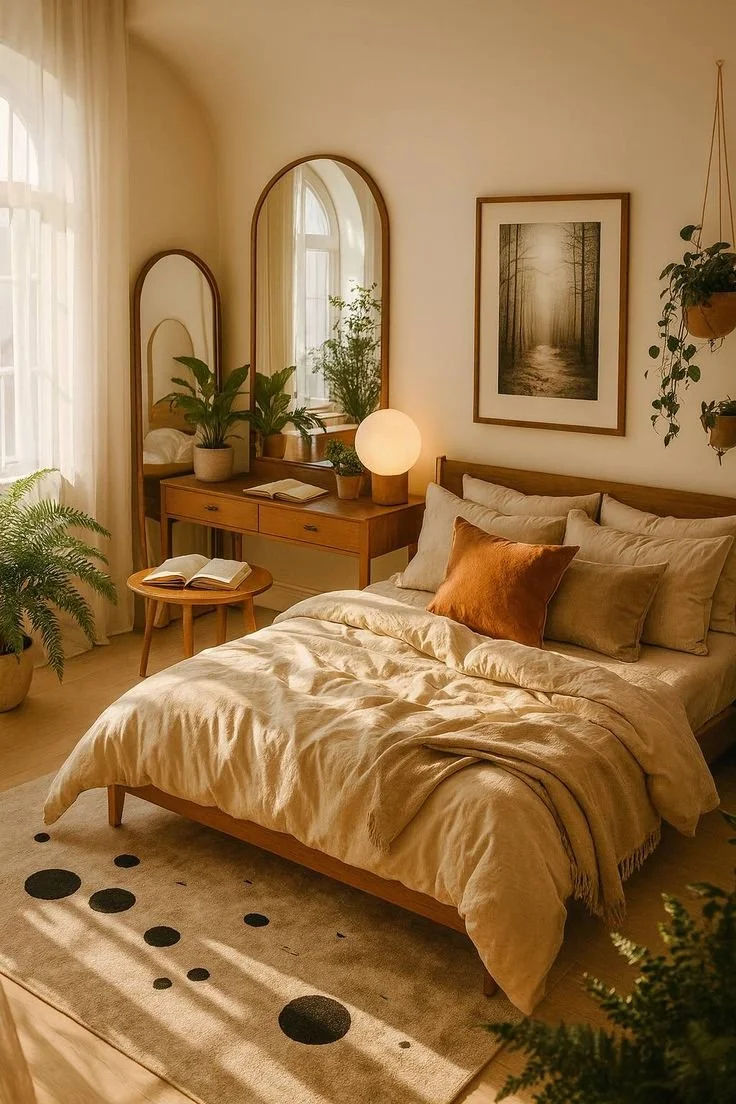
In a stern parental voice: we need to have a talk about our bedrooms. We’re not mad, just disappointed. We expect better. Triggering words, but are they even meant for you? Let's see. Do you treat your bedroom as nothing more than a dumping ground for “I’ll deal with this later” clothing? Do you not really have a cohesive aesthetic or general sense of decor in your bedroom? Do you “forget” to make your bed every morning? If you’ve answered “yes” to one or more of these, sit down. It’s high time for a little lecture.
Bedrooms are often the most neglected room in the house. We focus on making living rooms look good for other people and kitchens work hard, while the bedroom gets whatever’s left over. But the bedroom is our sanctuary, the place where we collapse at the end of the day, scroll for way too long, and hopefully get some sleep in between. Our bedrooms deserve to feel good and look good. You don’t have to choose between stylish and relaxing. You can have both—promise.
There is a balance between beauty and comfort. A beautiful bedroom is great. A comfortable bedroom is essential. The magic happens when you stop treating those two things like they’re in competition.
We’ve all seen bedrooms that look incredible but feel…untouchable. Like showrooms you’re too scared to disturb for fear of being yelled at by the employees. The pillows are stacked like modern art, the bedding is suspiciously wrinkle-free, and you’re not entirely convinced you’re allowed to sit on the bed. On the flip side, there are bedrooms that are incredibly comfortable, but let’s just say they’re not exactly inspiring.
The goal is the middle ground. A bedroom that looks pulled together and invites you to crawl in, pull on your fuzzy socks, and stay awhile.
Comfort doesn’t mean sloppy, and beauty doesn’t mean uncomfortable. It means choosing materials that feel good to live with, not just good to photograph. Soft linens instead of stiff bedding. Lighting that flatters you at night, not overhead lights that feel like an interrogation. Furniture that fits the scale of the room so you’re not squeezing past a dresser every morning half-awake.
As our nest at the end of the day, this is not a room for others, so don’t decorate for others, decorate for YOU. And decorate with the room, not against it. This needs to be a space that inspires rest. It should also feel like yours. When beauty and comfort work together, the room feels effortless. The bed looks styled but welcoming. The decor feels intentional but not precious. Nothing is so perfect that you’re afraid to use it. That’s when a bedroom truly work, not when it’s flawless, but when it’s functional, cozy, and still makes you think, wow, I love this space.
These are all accomplishable goals…let's break down how.
Start With the Mood, Not the Decor
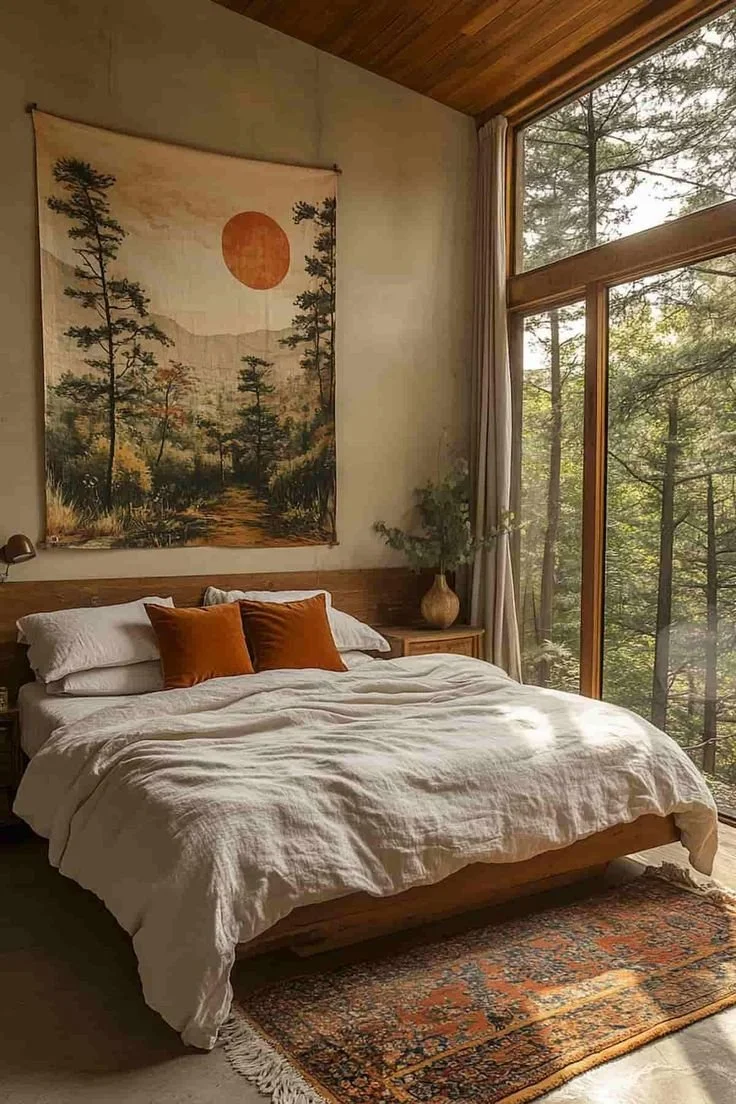
Before you buy anything or rearrange a single piece of furniture, ask yourself one question: How do I want this room to feel?
Not what it should look like. Not what’s trending. Not how does your niece's neighbor’s favorite influencer decorate their bedroom (although we are curious so let us know). What feeling do you want when you walk in at night?
Calm? Cozy? Grounded? Soft? A little moody? When you design around a feeling instead of a checklist, your choices become easier. Colors, textures, and layouts start working together instead of competing for attention.
A relaxing bedroom isn’t about filling the space, it’s about being intentional with it.
2. Choose a Calming Color Palette With Depth
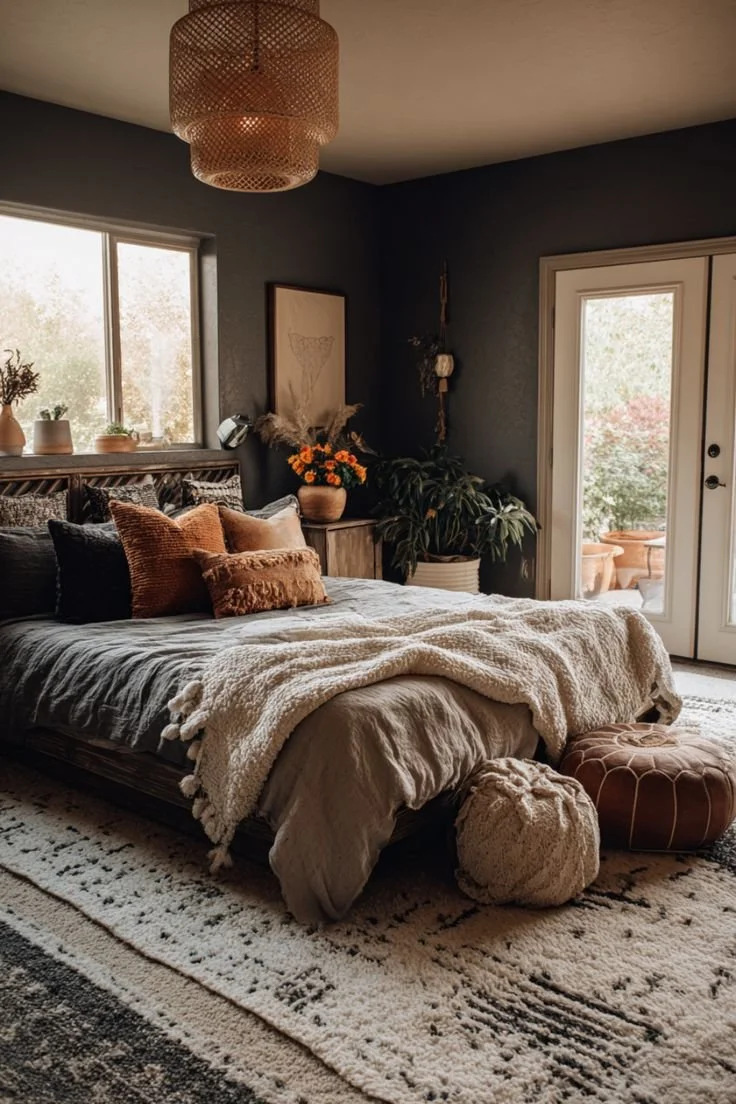
Relaxing doesn’t have to mean white-on-white-on-white. (This is actually our worst design nightmare.) In fact, some of the calmest bedrooms use deeper, warmer tones. Makes sense. Have you ever felt calm and relaxed in a medical waiting room? The white, sterile scenery doesn’t exactly feel cozy. So why decorate your bedroom like that?
Think layered neutrals, muted shades, and low contrast. Warm whites, soft taupes, gentle grays, dusty blues, or even rich, moody hues if that’s your style. The key is avoiding anything too harsh or visually loud.
A bedroom should feel like it wraps around you, not like it’s shouting for attention. (Us after one martini.)
Keeping the palette cohesive helps the space feel calmer, even when there’s plenty of visual interest.
3. Layer Texture Instead of Adding More Stuff
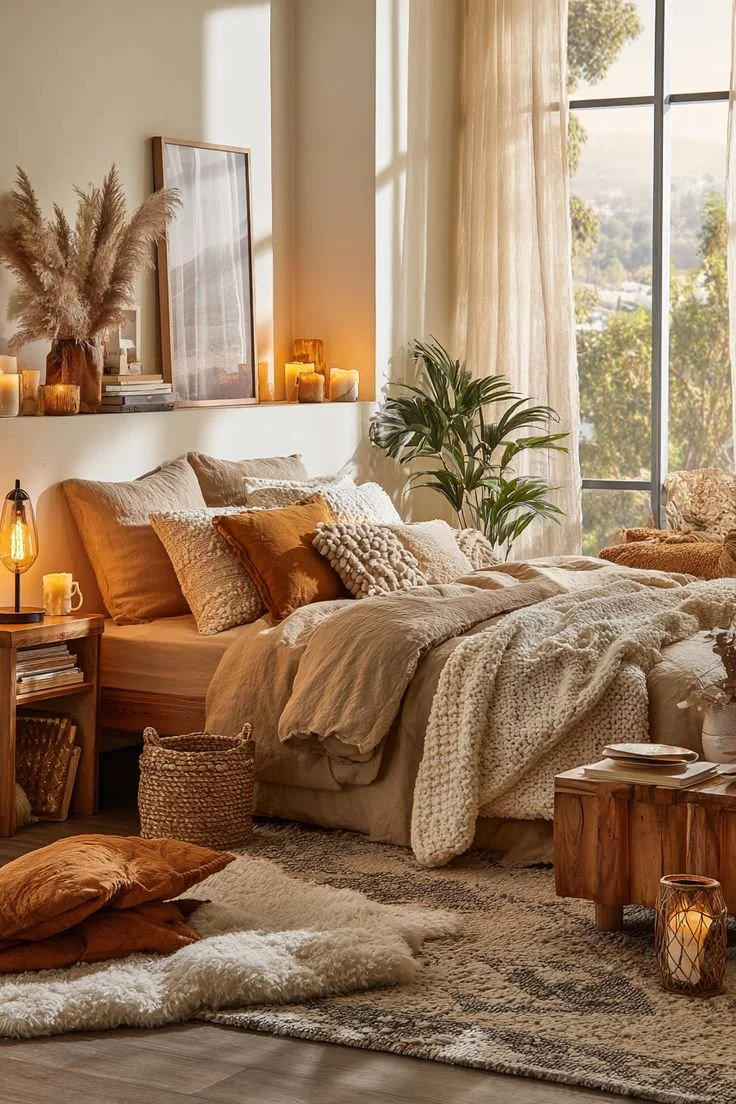
If there’s one thing that makes a bedroom feel both stylish and relaxing, it’s texture.
Texture adds warmth, depth, and interest without creating visual chaos. Linen sheets, a cozy duvet, a knit throw, a soft rug underfoot. These layers do more for a room than extra decor ever could.
Instead of adding more objects, focus on making what you already have feel richer. This is how a bedroom feels layered without feeling cluttered, and why simple rooms don’t have to feel boring.
4. Make the Bed the Star of the Room
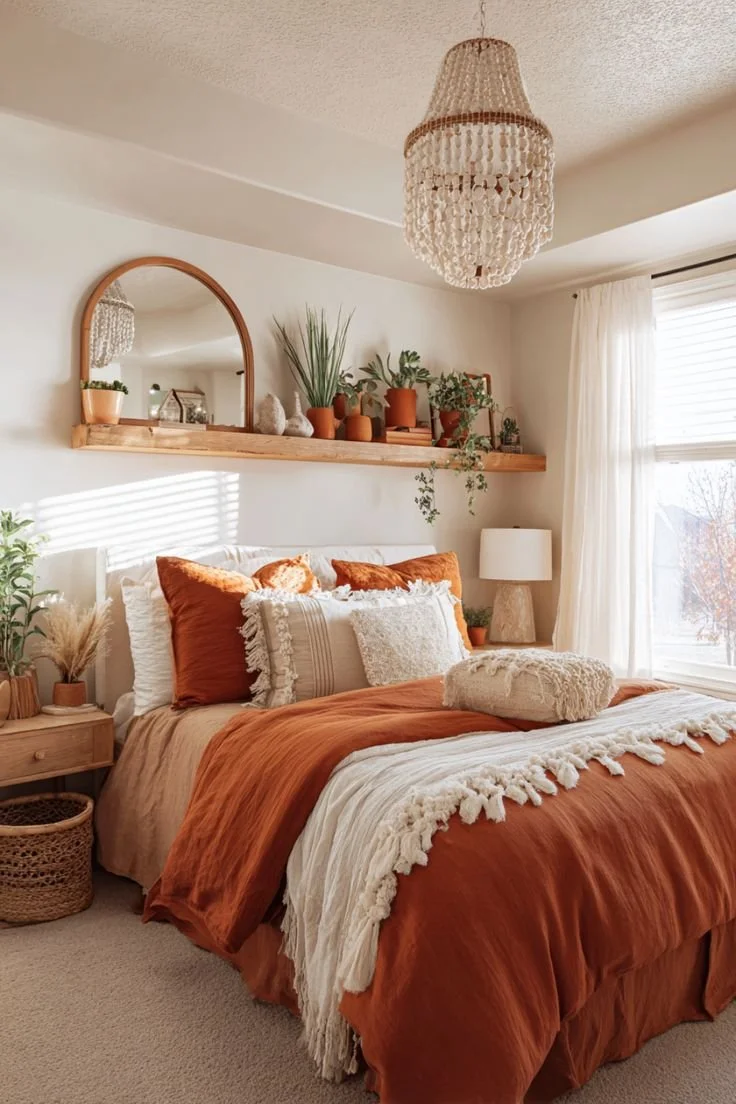
The bed sets the tone for the entire space, so make sure it knows its the main character. .
A comfortable mattress, inviting bedding, and a headboard that adds presence instantly elevates the room. The goal isn’t perfection, its approachability. Pillows that look styled but don’t require a diagram to put back. Bedding that feels soft and lived-in, not stiff and precious.
If your bed looks inviting, the rest of the room will follow.
5. Create Visual Calm Without Making the Room Feel Empty

There’s a difference between calm and boring, just like there’s a difference between cozy and cluttered. We love calm. We love Cozy. We loathe boring, and don’t get us started on clutter. Find the balance and your room will shine.
A relaxing bedroom doesn’t need to be sparse, it just needs breathing room. Fewer, larger decor pieces tend to feel calmer than lots of small ones. Letting surfaces stay partially clear gives the eye a place to rest.
Negative space isn’t wasted space. It’s what allows everything else to feel intentional.This is a hard sentence to digest as a maximalist, but the bedroom should always be the exception in the home. Even if you’re over the top in the rest of the house, dial it back decor wise in the bedroom. Embrace the empty space. If the rest of the room is done right at the end of the day, you will still feel like you belong there.
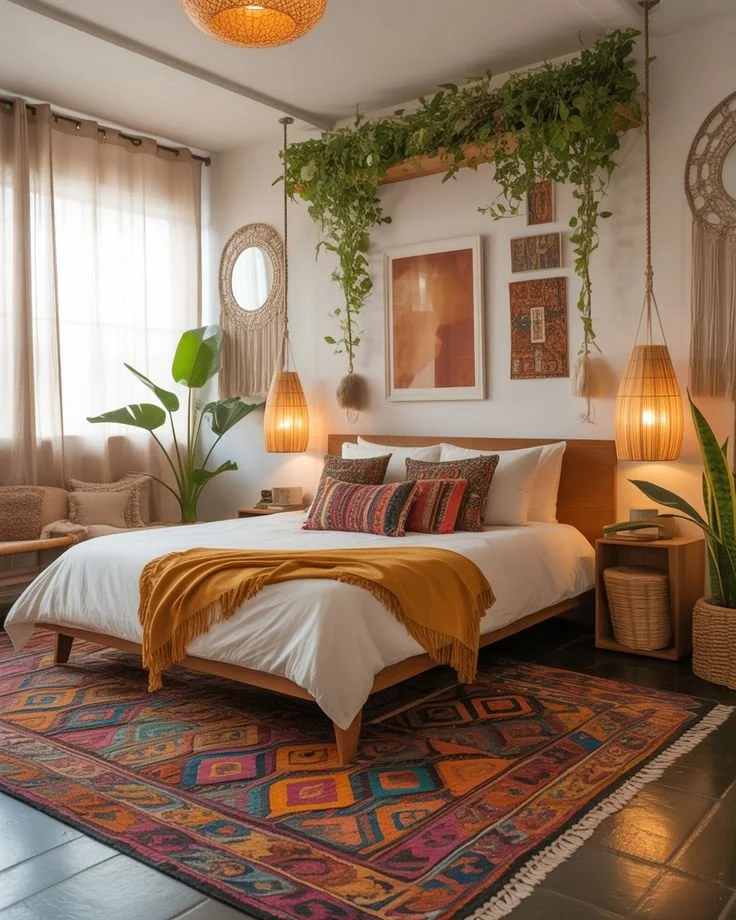
6. Use Lighting to Set the Mood
7. Add Personal Touches That Feel Meaningful
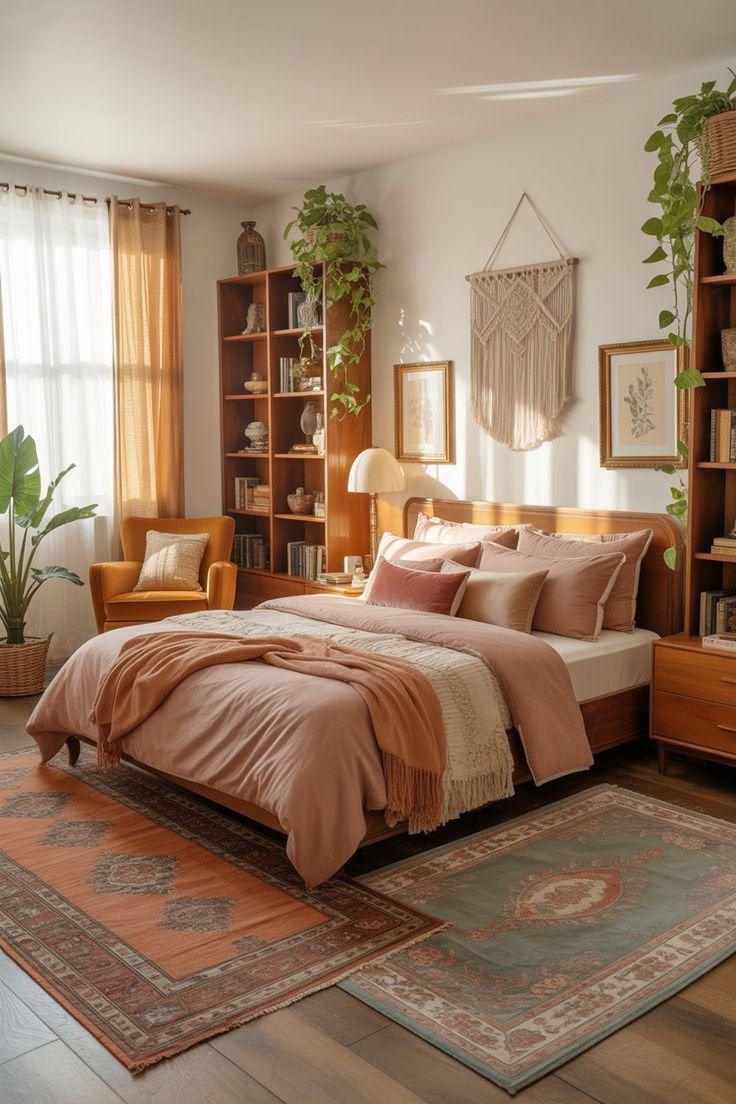
A bedroom should feel personal, not staged.
Art you love, books you actually read, pieces that tell a story, these are what make a bedroom feel comforting. The trick is choosing items that matter to you and giving them space to breathe.
When personal touches are intentional, they add warmth without creating clutter. The room feels lived-in, not messy.
8. Create Balance Through Layout and Symmetry
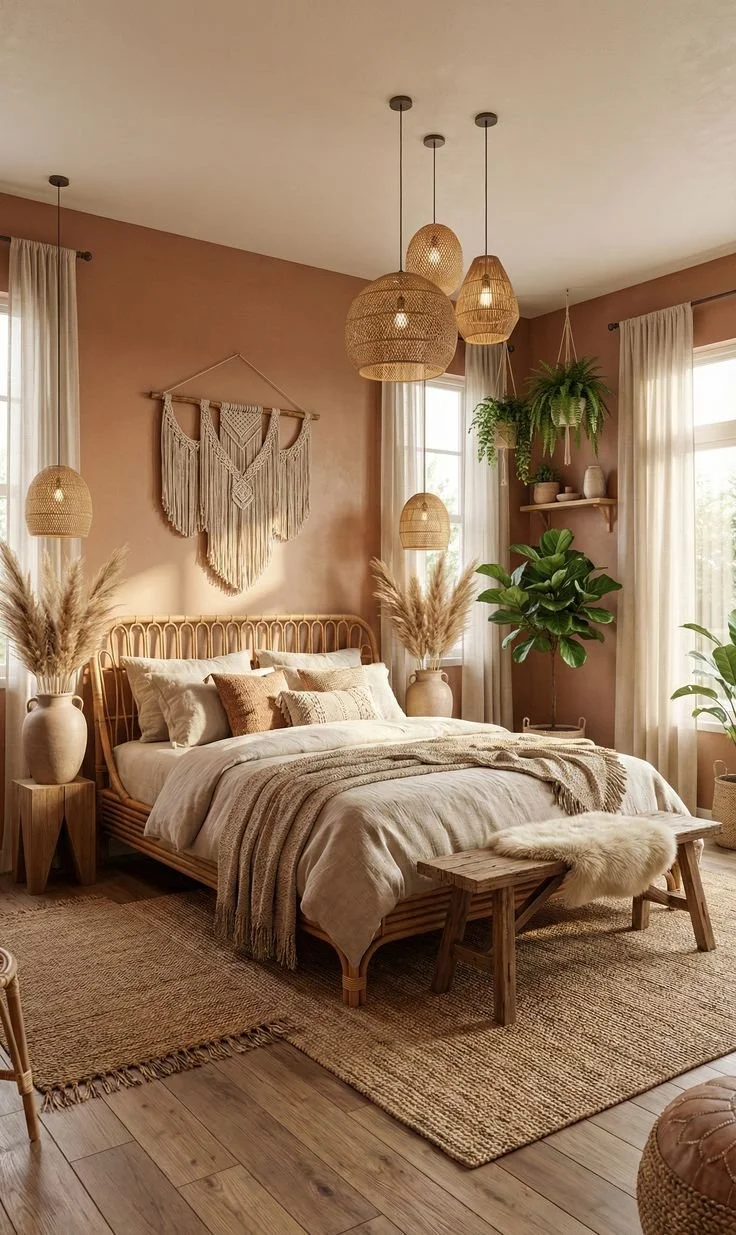
Our brains love balance, especially in spaces meant for rest.
Matching nightstands, balanced lighting, and thoughtful furniture placement all contribute to a calmer feeling room. That doesn’t mean everything has to match, it just means the space feels grounded and cohesive.
When a bedroom feels visually balanced, it naturally feels more relaxing. Remember, these are bedroom rules, so don’t think you have to change the layout of your entire home. These are things that make your brain happy and inspire comfort and rest.
9. Style What You See First and Last Each Day
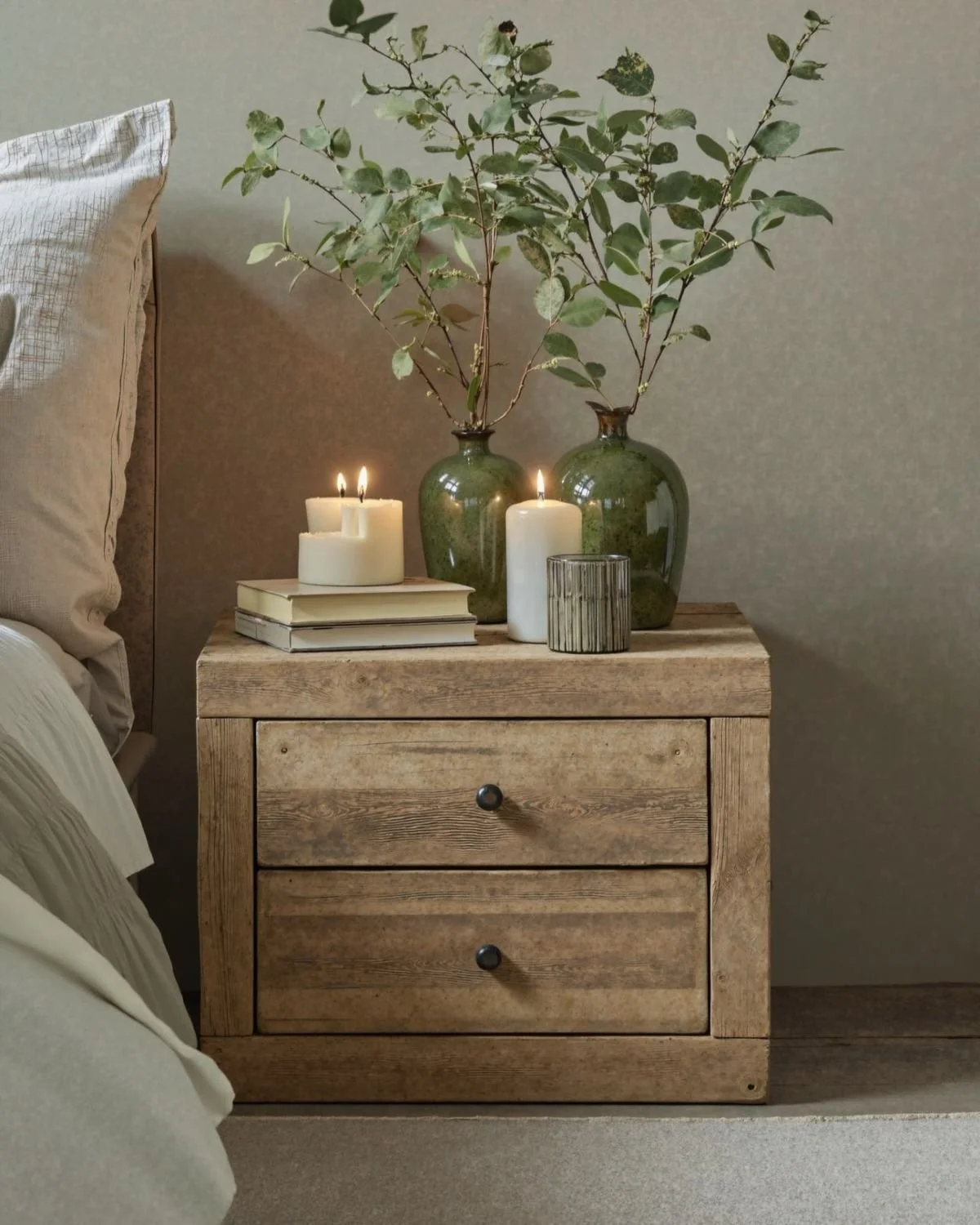
Think about what you see when you wake up and what you look at before falling asleep.
Is it calming? Or is it visual chaos? Is your nightstand filled with junk barely holding on before it topples over the edge and crashes everything to the floor?
Styling the wall opposite the bed, keeping sightlines clear, and minimizing clutter in those key views makes a surprising difference in how the room feels overall.
Small shifts here can have a big impact.
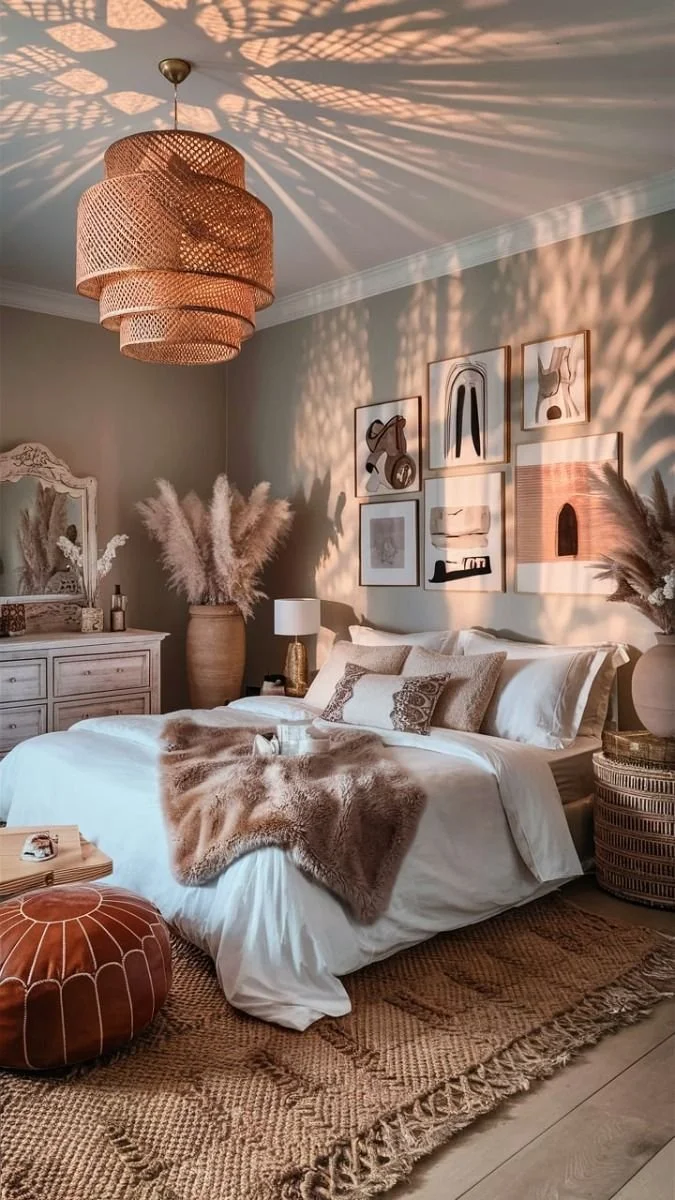
At the end of the day, a relaxing bedroom isn’t about following rules or chasing trends. It’s about intention.
If your space helps you unwind, feel comfortable, and actually enjoy being there, you’re doing it right. Style and comfort don’t have to compete, the best bedrooms are layered, personal, and easy. Not perfect. Not precious. Just right for you.
So design your bedroom for real life. Let it be calm without being boring, stylish without being stiff, and comfortable enough that staying in bed feels like a perfectly reasonable choice. Because your bedroom should be the one place that truly feels like home.