How to Make Your Home Look Expensive Without Spending a Fortune
As an Amazon Associate, I earn from qualifying purchases. This means I may earn a small commission when you click my linked images, at no extra cost to you. Clicking these links helps support my site and allows me to continue providing content. Thank you!
There is a beautiful Dolce and Gabbana Smeg toaster for sale on the Williams Sonoma website, white with blue details and a chrome dial. The look of it just screams elegance and class, and of course it would go wonderfully in my kitchen. Here’s the problem; the price tag. I do not have a spare $800 to use on a toaster. A toaster. The little appliance that toasts bread, two slices at a time? Yeah, that thing is for sale for $800. At that price it should bake the bread, and butter it for you too.
We associate that kind of price tag with luxury, opulence, and quality. Owning something like this sends a signal to others that we have the spare cash to spend on a very expensive, name brand toaster. A toaster that, let’s be honest now, doesn’t toast bread any differently than my toaster that cost under $50, is touchscreen, and pink. My toaster has a much lower price tag, but it’s the most luxurious toaster I’ve ever owned.
This got me thinking a lot about luxury, and how we perceive a space as “high end” or “luxurious”. Surely this feeling can’t be exclusive to the millionaires and billionaires. Why can’t my bougie on a budget home also scream elegance and class? Well, I think it can, and I’m about to walk through how to bring that feeling into your own space, without the hefty price tag. Most expensive looking rooms aren’t filled with expensive things. They’re filled with intentional decisions. Let’s learn how to make our spaces look expensive, even when they aren’t.
Scale Signals Luxury: Go Bigger Than Feels Safe
Small decor looks temporary. Large decor looks deliberate. Too small items just look like a placeholder, rather than something with heft that belongs there. When the space allows, think about how big you feel comfortable going with your design choices. Then go even bigger. You don’t need a lot of elements, just properly sized ones.
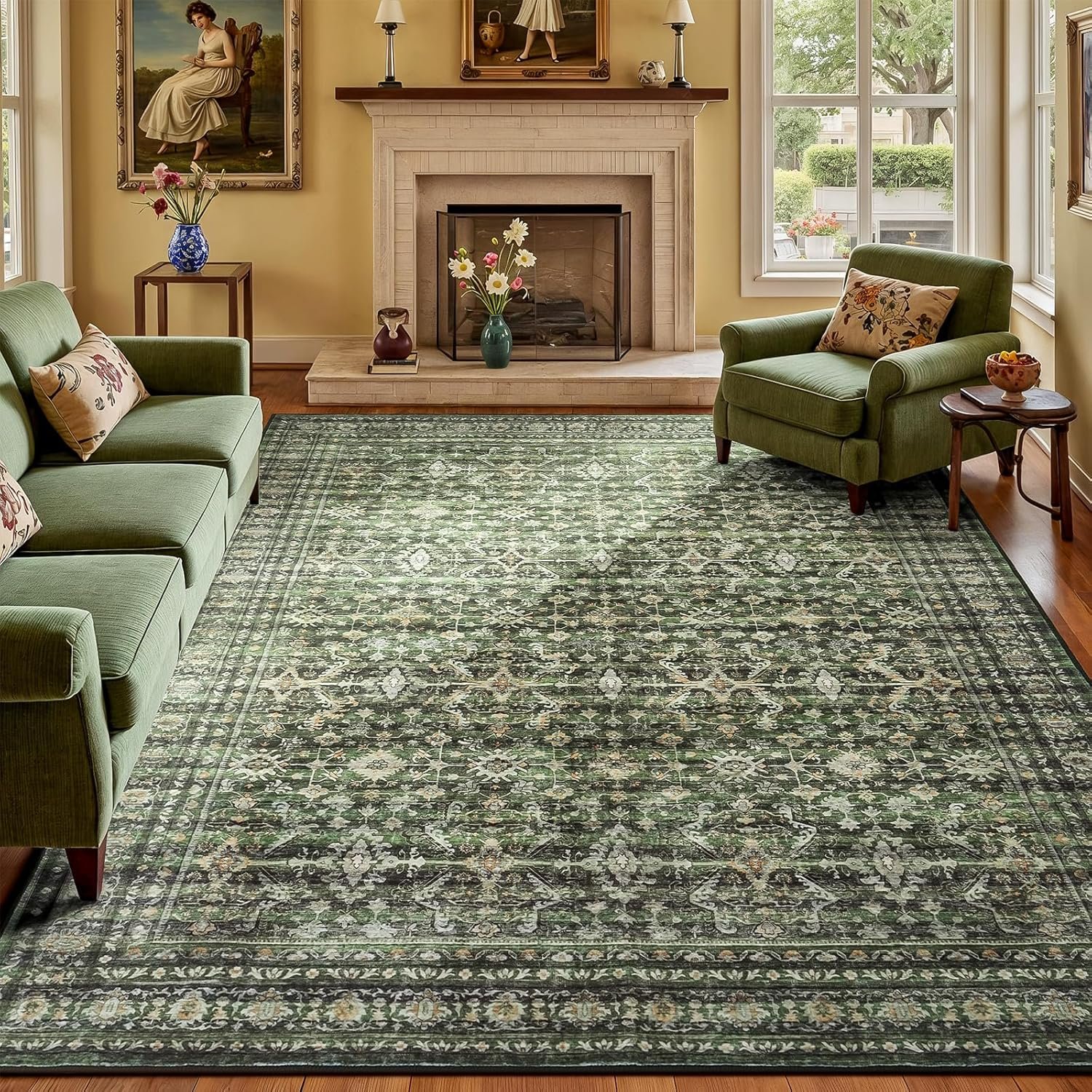
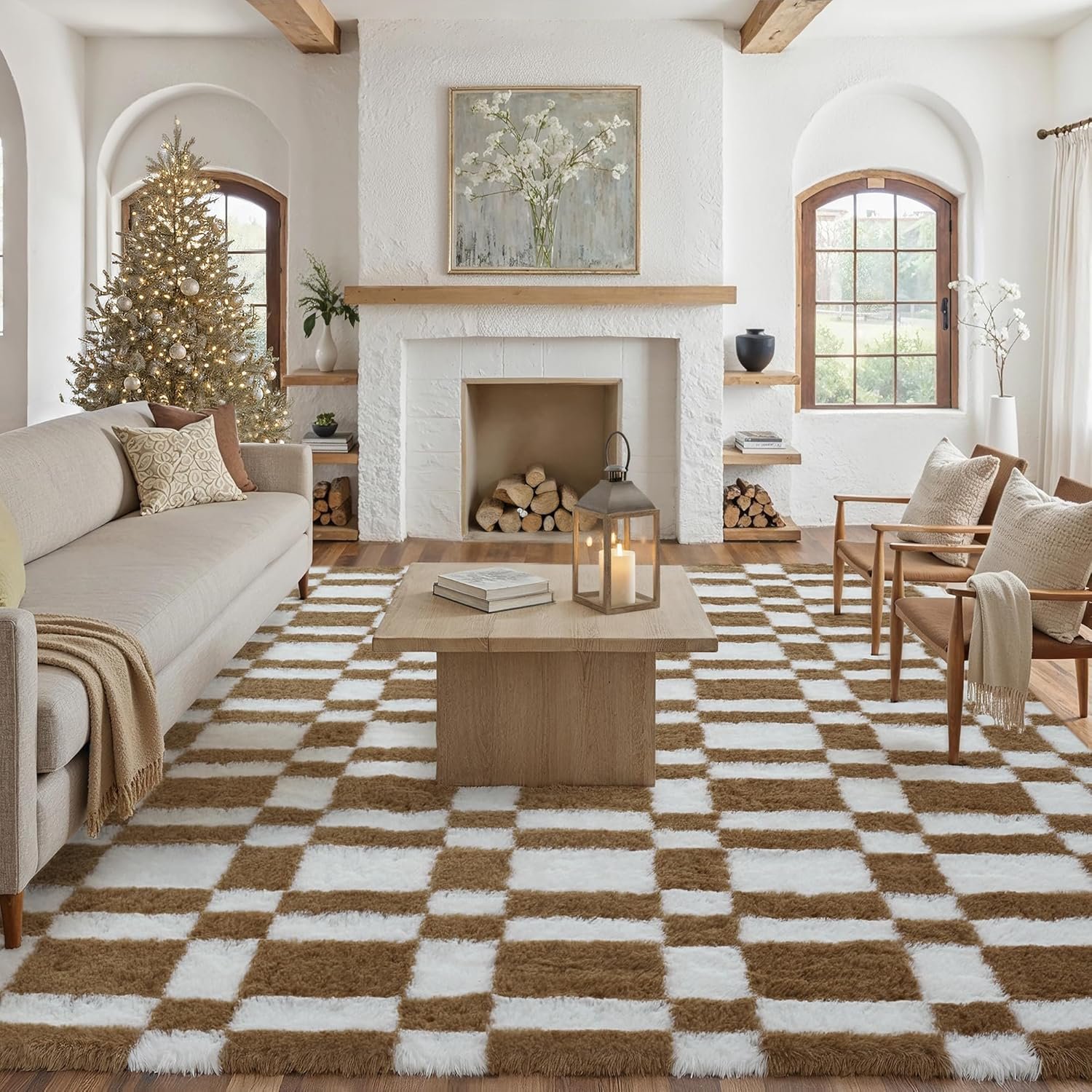
Example, have you ever found a rug you absolutely love online, but when you click on the size meant for your room, you take one look at the price tag and think, “I’ll get the next size down. This way I can have the design I want but for a cheaper price”. Your wallet might thank you, but your space will not. Instead, you’re doing your room a disservice, making your decor look temporary rather than statement-like.
Properly sized rugs anchor rooms. Going the next size down to save on costs actually makes your space look like you couldn’t afford the rug at the right size, and cheapens the interior design. For a look that screams luxury, you’re better off getting a different rug, in the proper size, at a lower price point. Your room will look much more expensive in the long run, making your money more worth it.
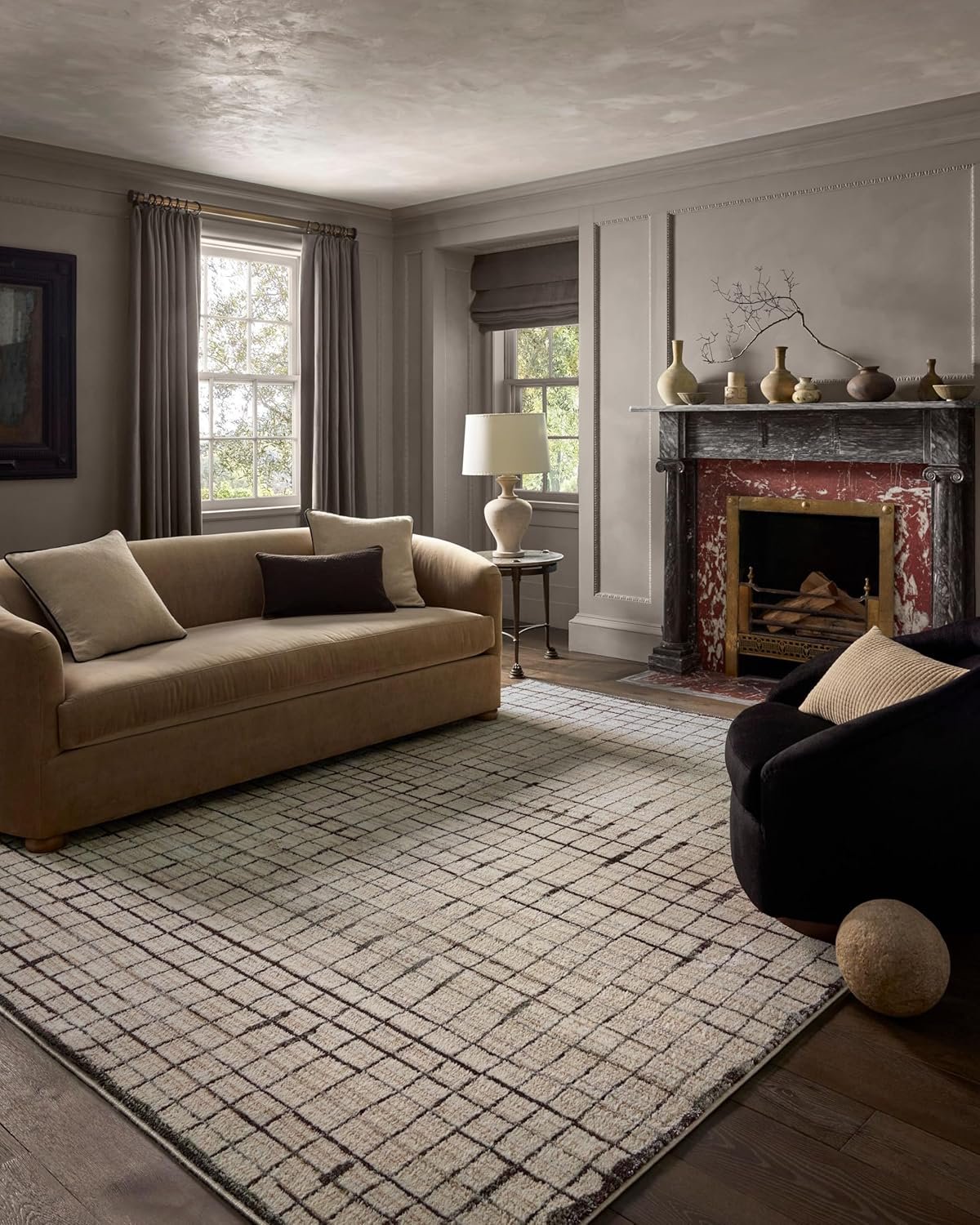
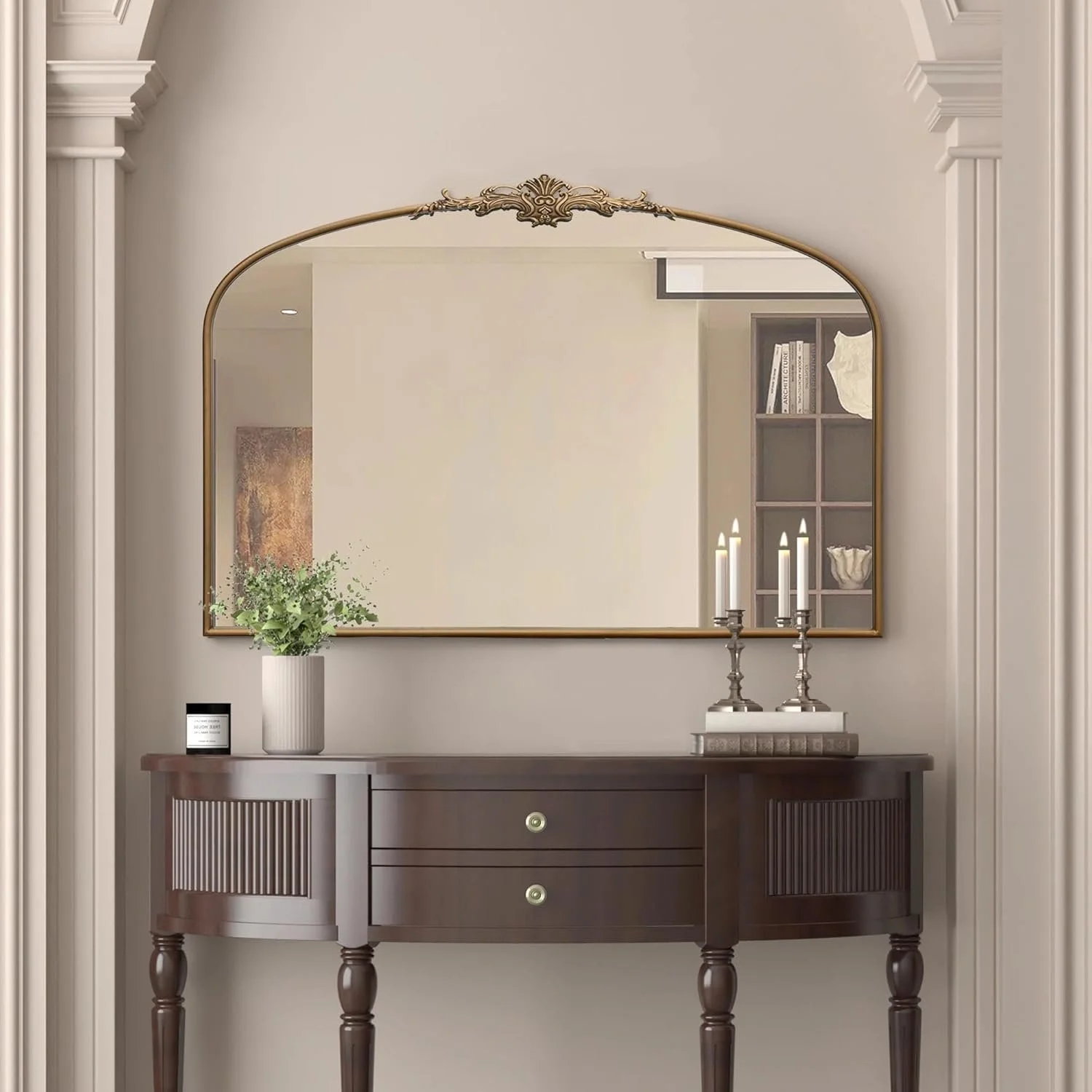
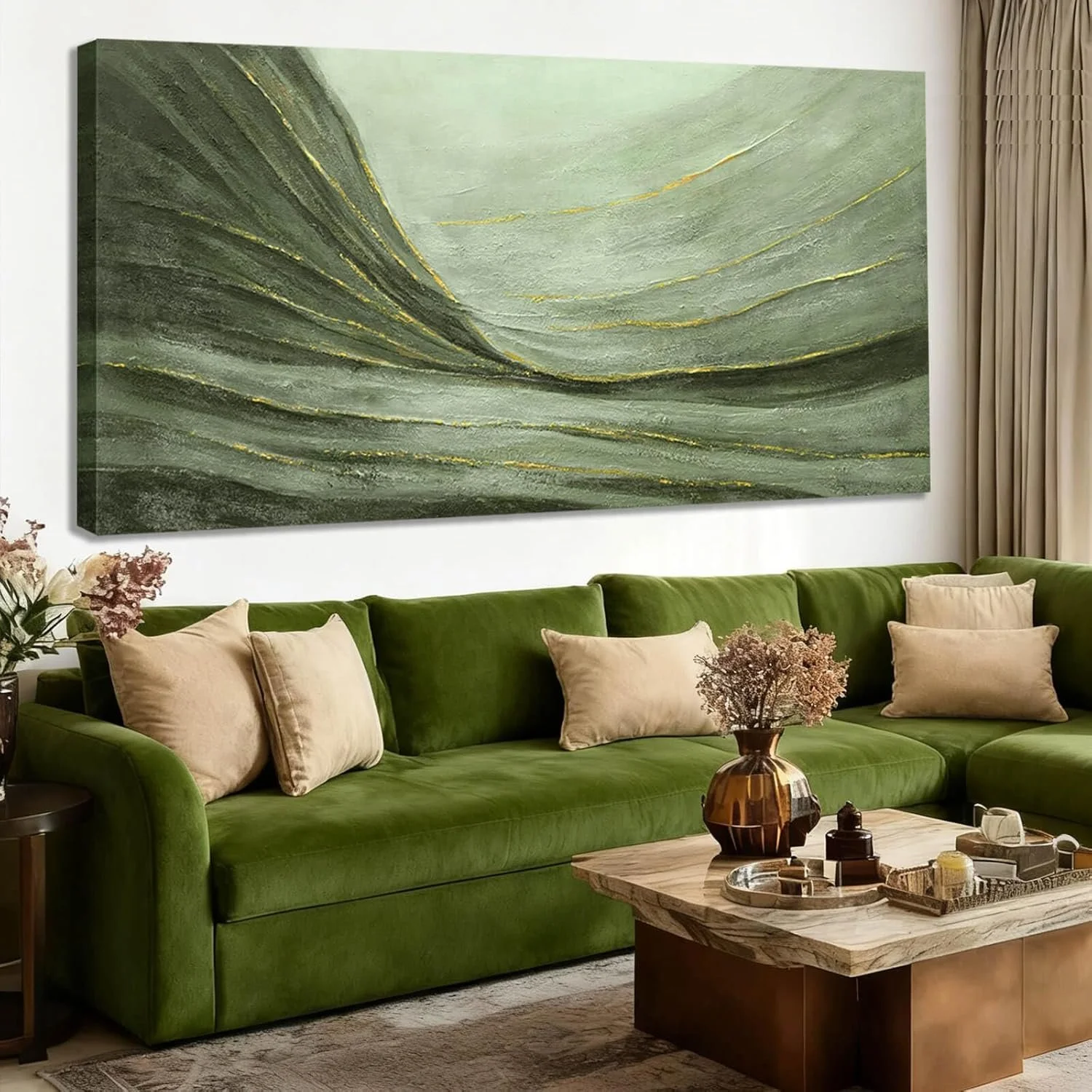
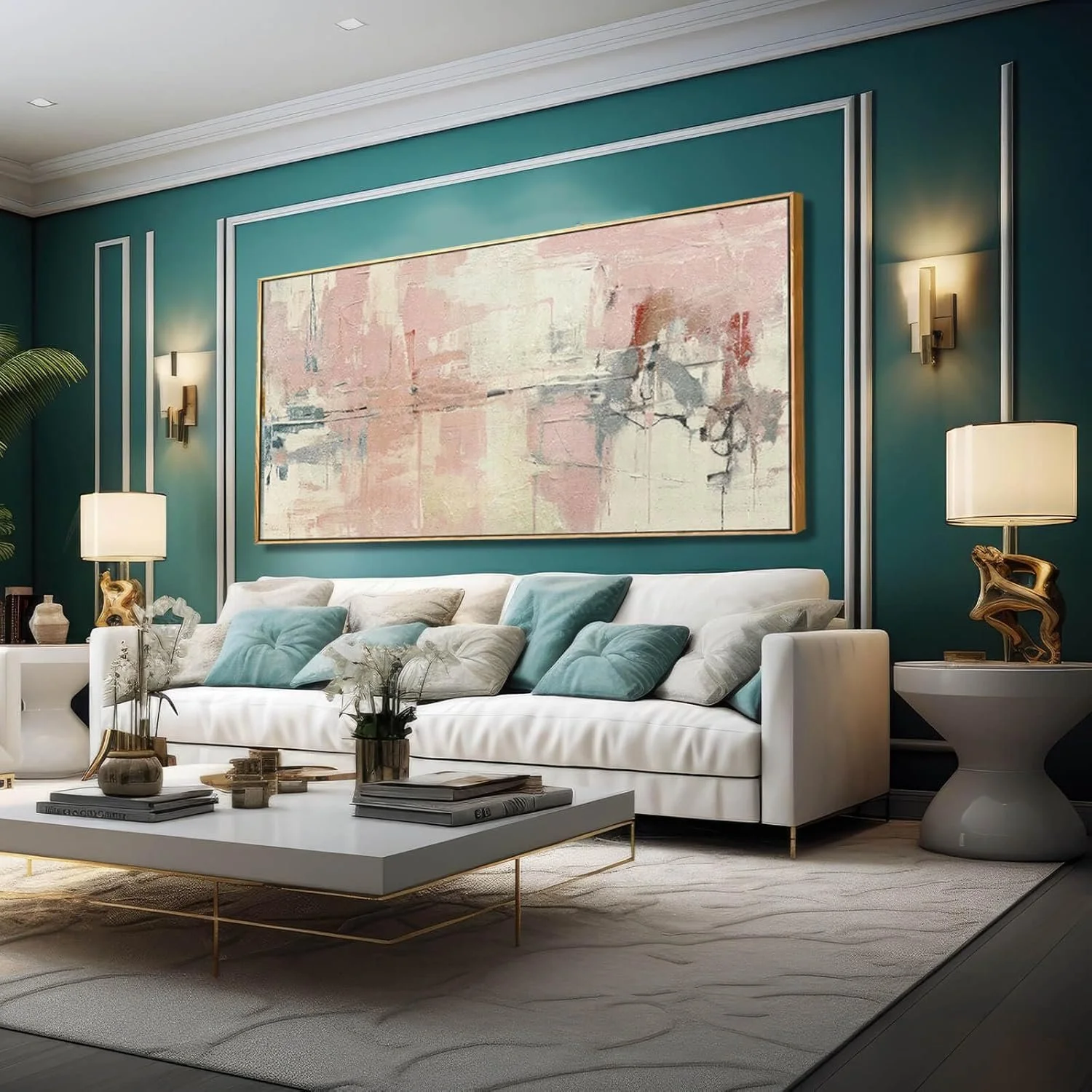
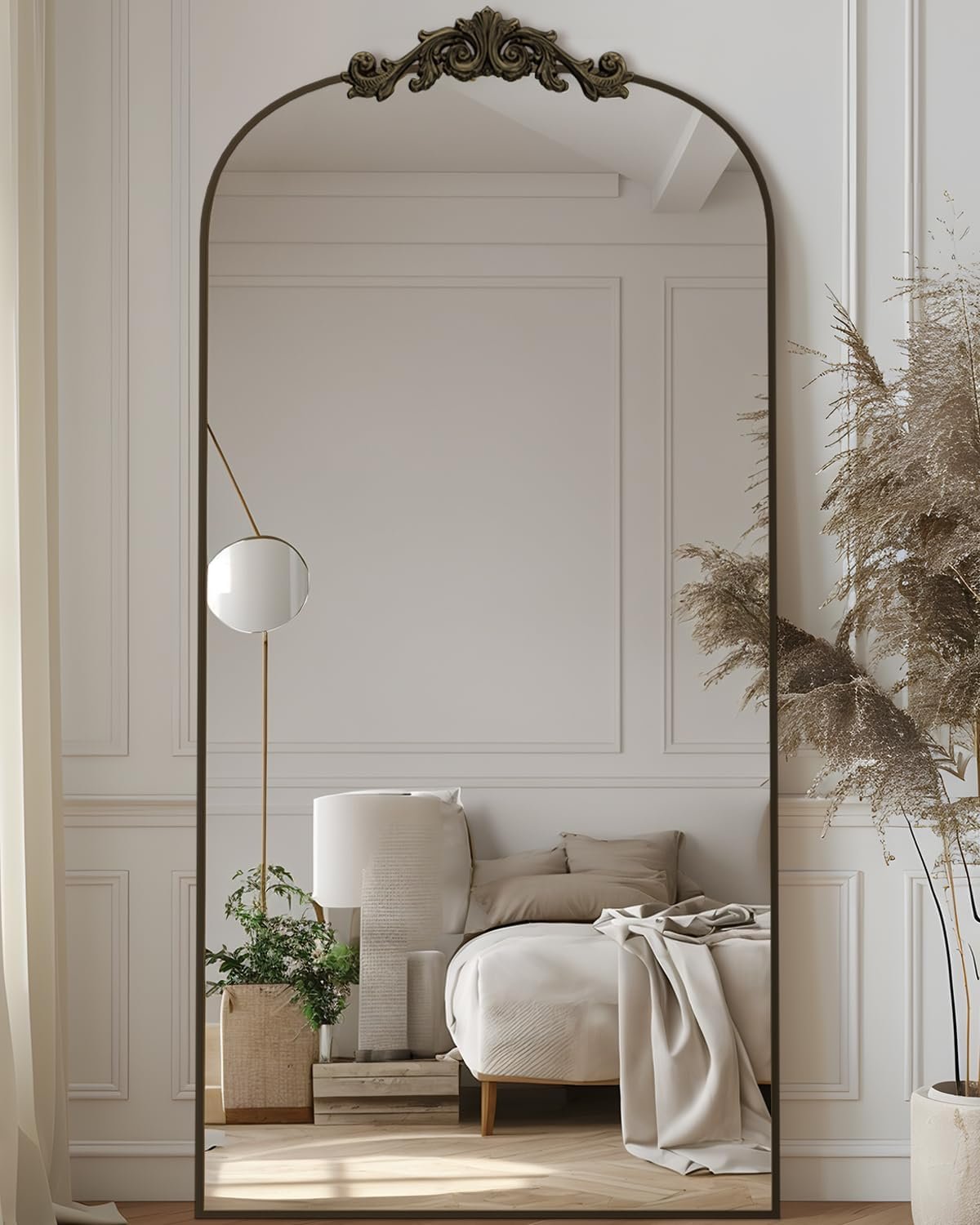
The same goes for mirrors and art. Both are amazing ways to bring personality and light to a space, but get the scale wrong and you could cheapen your look, no matter how expensive they actually are. All it takes is one piece of oversized art to create authority in a room. Art screams luxury, mostly because we associate it with it being so unaffordable, but there’s no rule that says you have to buy a high end piece at auction. Something as simple as a downloadable print blown up and elegantly framed can elevate the room.
Mirrors reflect light, and therefore make a space look bigger. When in doubt as to what to hang on the wall, add a mirror. Just be careful not to go too small, or you can throw off your entire look, and lose any feeling of luxury you were going for. Large mirrors feel architectural, and dramatically elevate the look and feel of a room. Detailed large mirrors and oversized art can have a heavier price tag than the smaller options, but what works in your favor is that you don’t need as much to fill the space. One large scale artwork for the room, or one large architectural mirror. Instantly, you’ve brought a sense of luxury to the space with just a single item. You might end up spending more on enough smaller pieces to fill the space, and the room still will feel off scale.
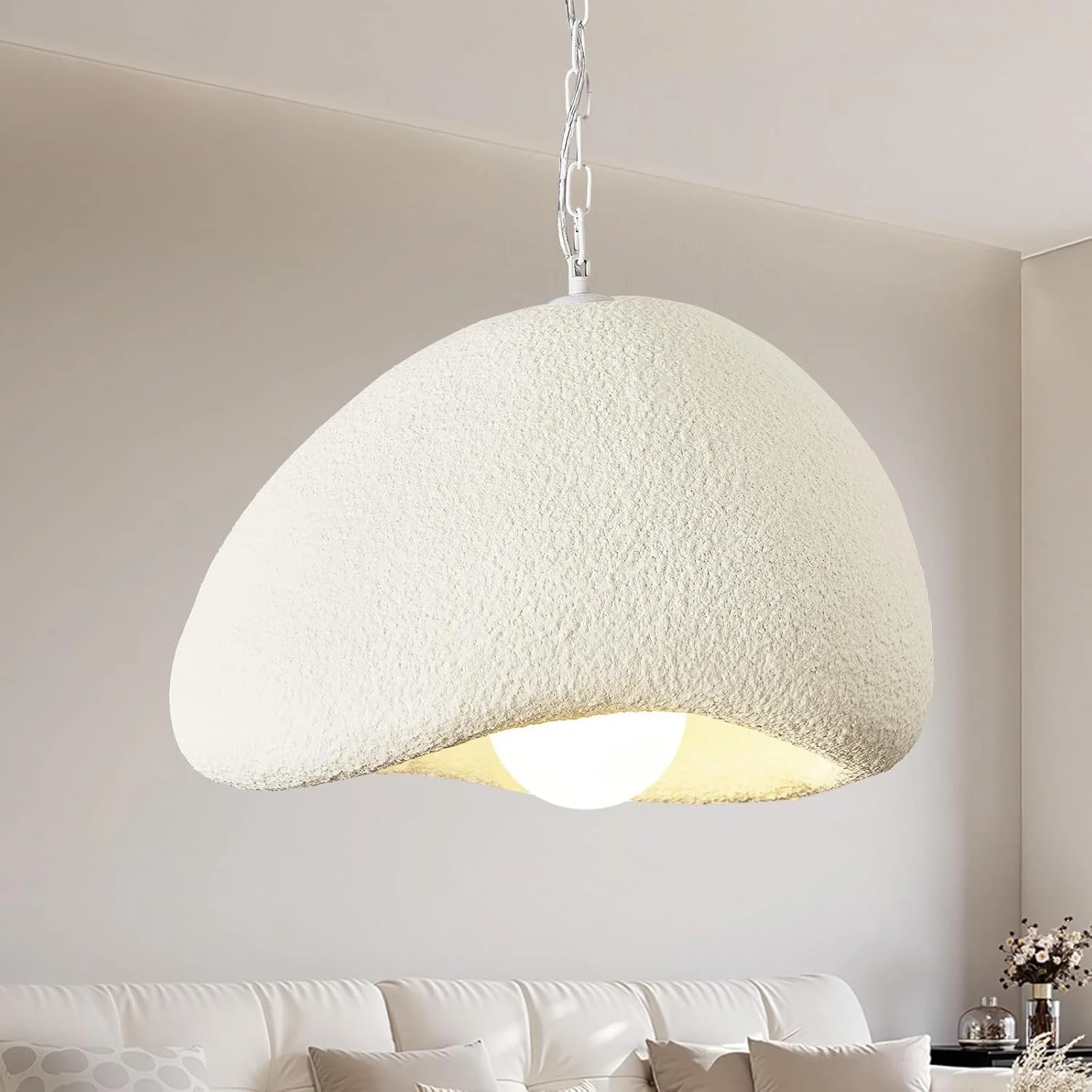
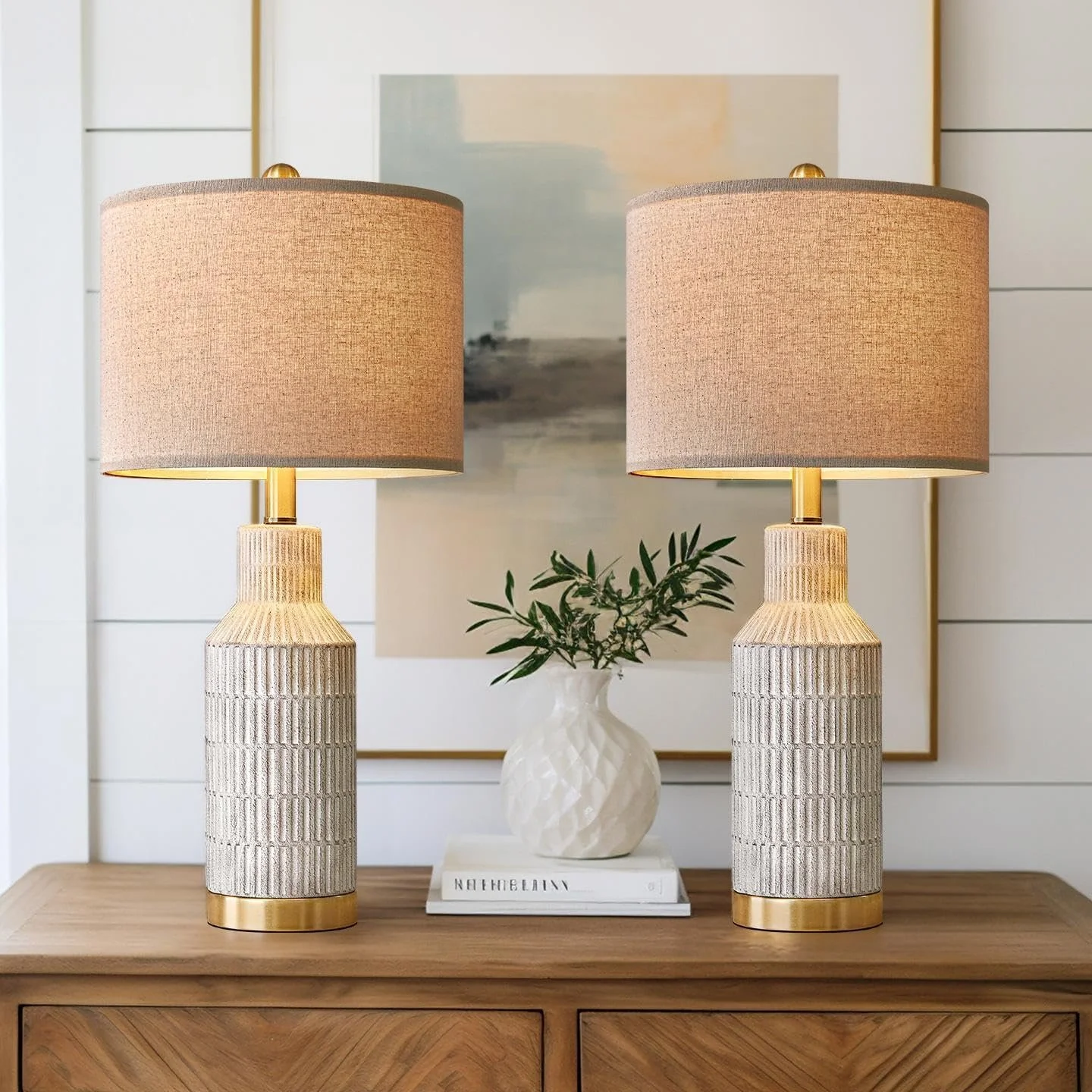
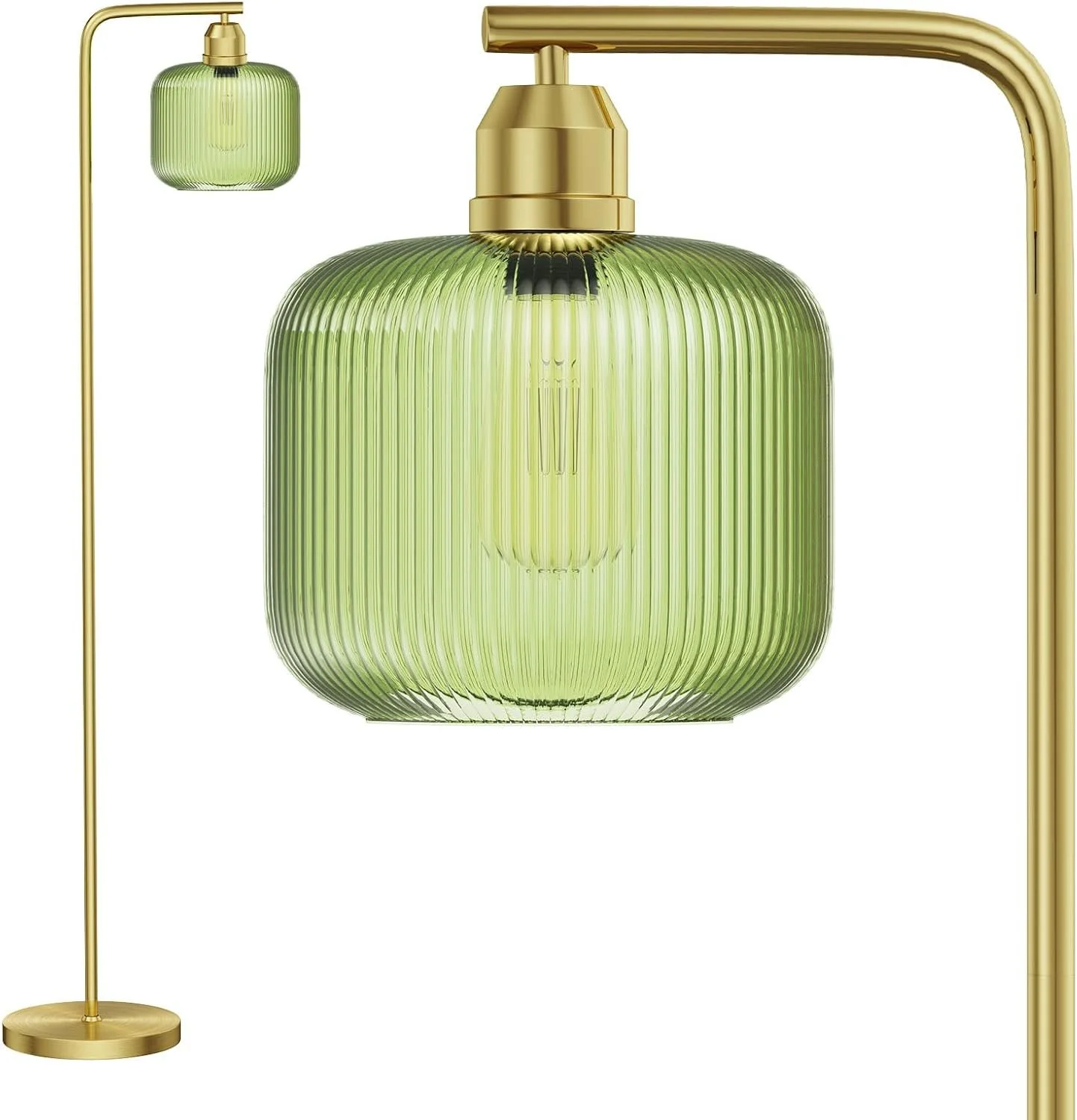
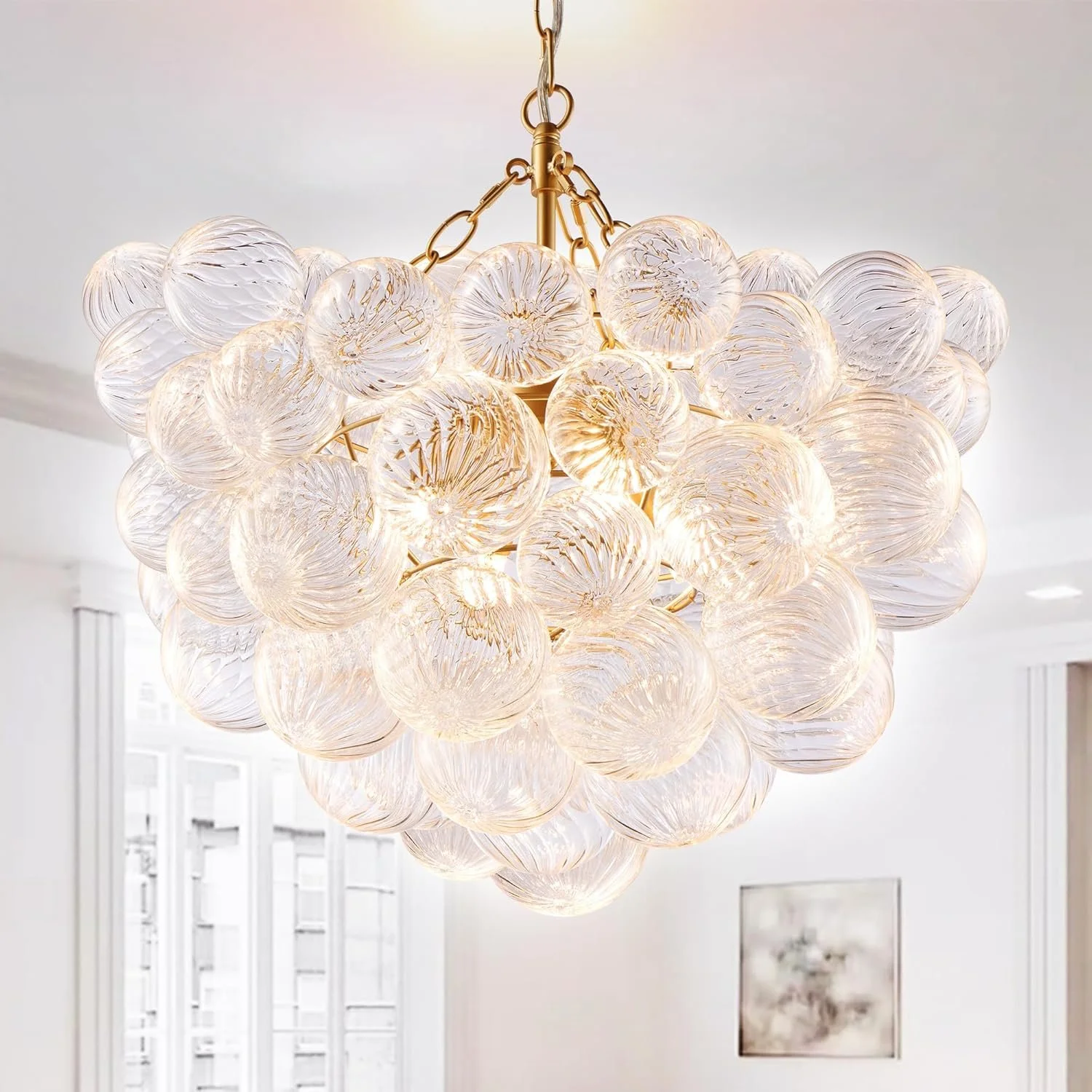
Before we dive deeper into the importance of lighting in a room, let's quickly talk about how statement lighting reads custom, and gives off an appearance of luxury. A too small chandelier hanging over a dining room table looks sad. A generic looking lamp in a living room, the only source of lighting in that room, just visually falls flat. Make your lighting choice be bold. Thrift a lamp base and splurge on the lamp shade. Go big with overhead lights, let them take up visual space. Aside from the lighting benefits you’ll get, even with the lights off, your room will look more expensive and luxurious.
Lighting Changes Everything (More Than Furniture Does)
Lighting is the fastest way to elevate a space. Switching your lightbulb from a cool light to a warm light will instantly make your space feel more rich. My personal belief is that the only room where cool light can be used instead is in a kitchen, where knives are being used to cut and small fires are happening on stove tops. Bright white light is fine in that situation, but the key to remember is that luxury spaces don’t glare, they glow.
Easily achieve that glow by switching from a single overhead light to layered lighting. Think of the three simple structures of lighting: ambient, task, and accent. Those three layered into a room will do more to make your space feel luxurious than a $8000 sofa will. Let’s break it down.
Ambient lighting Ambient lighting is the base layer of light in a room. It fills the space so you can see comfortably and move around without bumping into furniture or pets. Think of it as the “lights on” layer of a room. This light comes mostly from recessed lighting, chandeliers, pendant lights, flush mounts, or even natural lighting. Ambient lighting is the room’s foundation. It makes the space visible. However, ambient lighting alone often feels flat and a little sad. If the only light in your room is an overhead fixture, the space will feel unfinished.
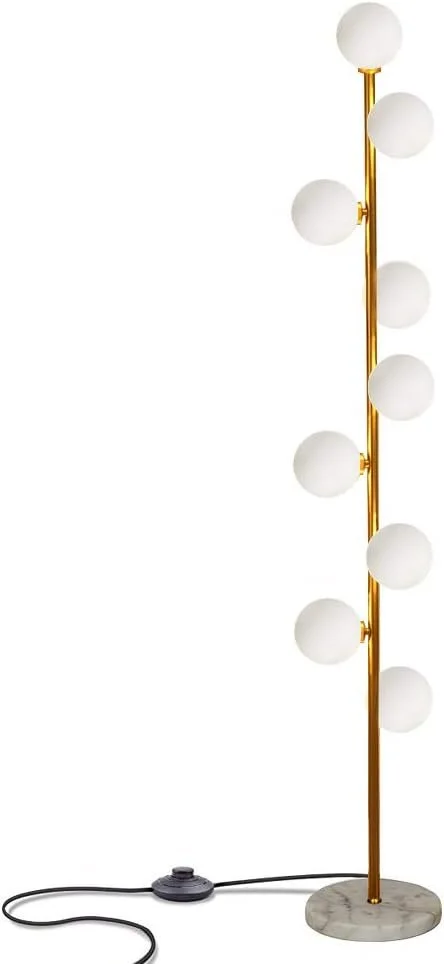
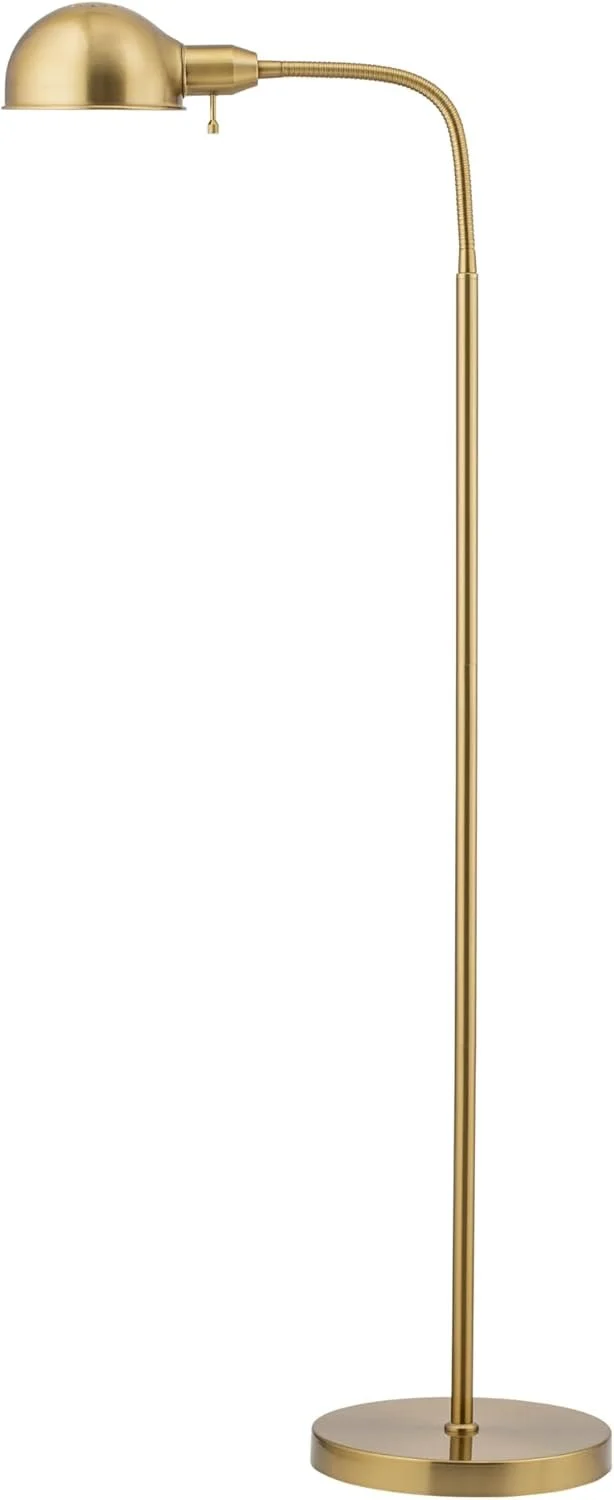
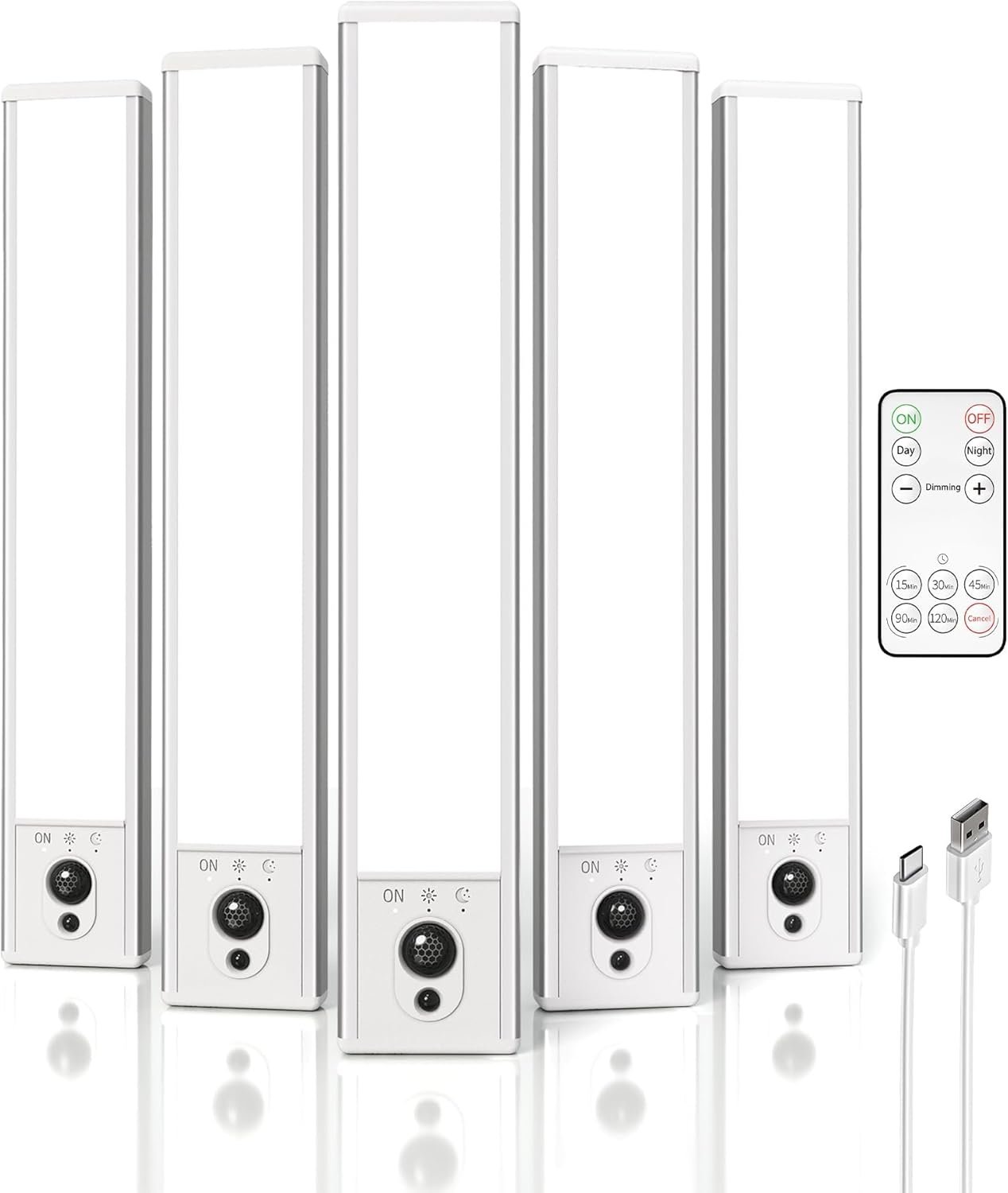
Task lighting is light that actually does something in your room. This lighting exists because trying to read, cook, or apply makeup under a distant ceiling light is… deeply annoying. This light will brighten a specific area, such as a floor lamp next to a reading chair in a living room. Task lighting helps you do things in the room and should be brighter and more directional than ambient lighting.
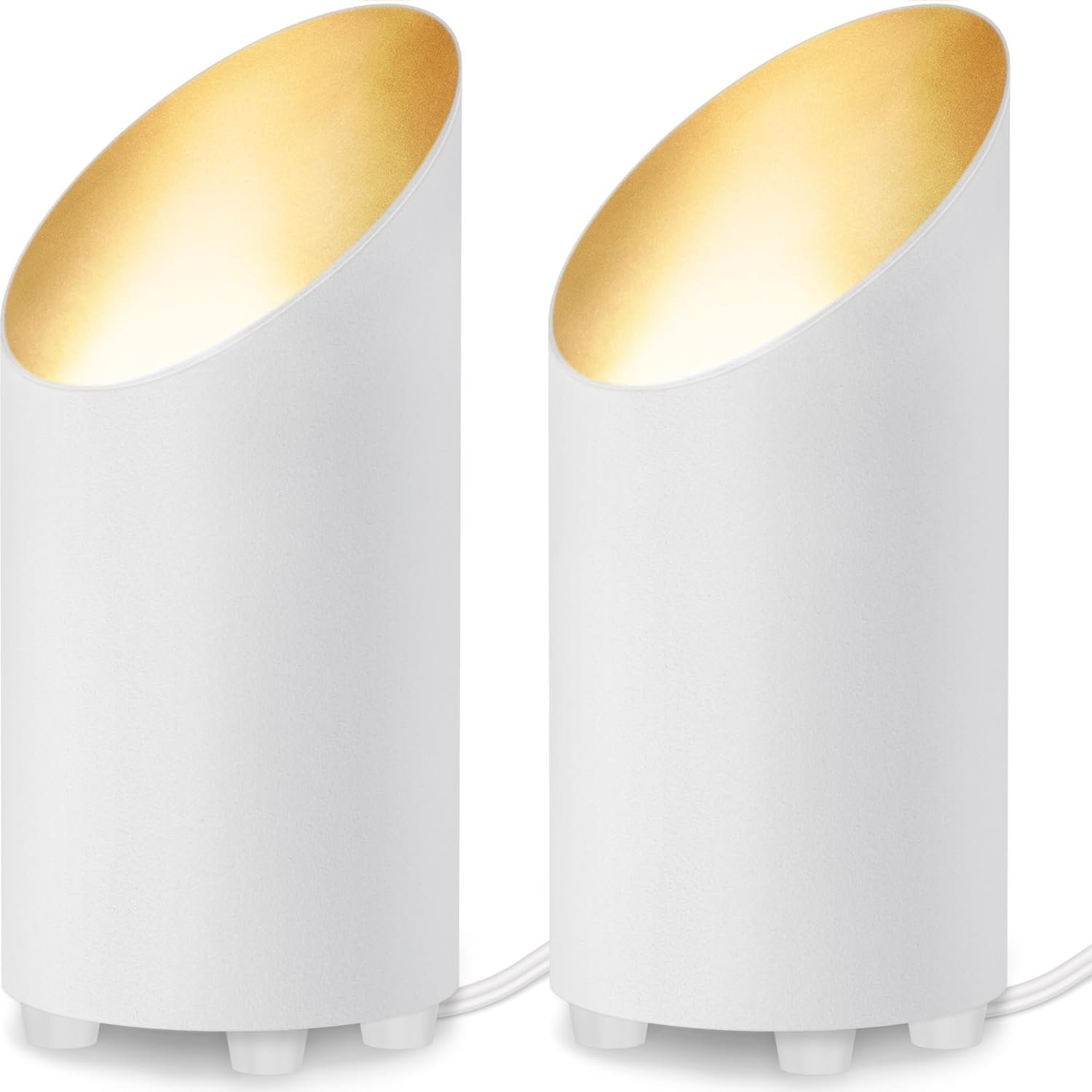
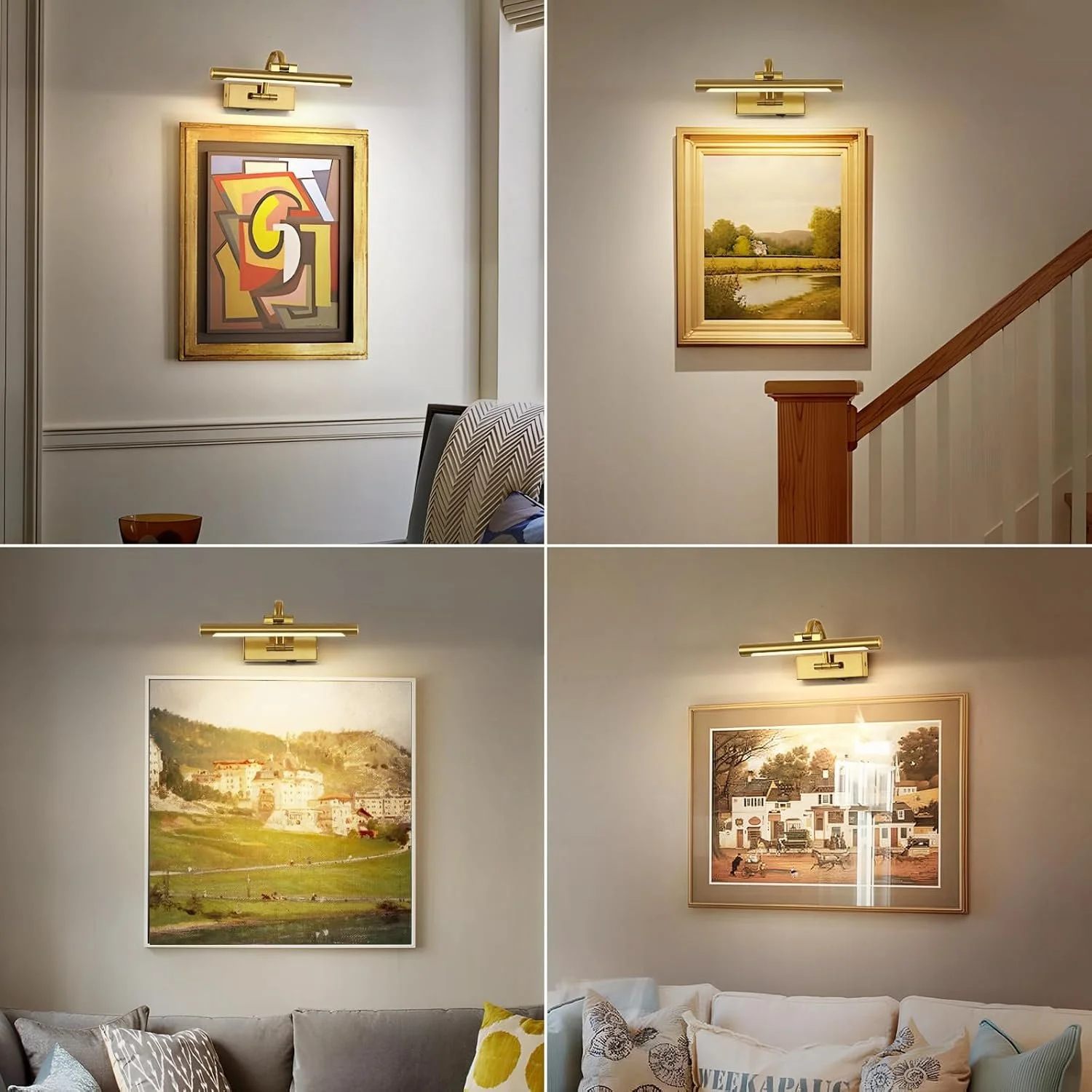
Now for accent lighting, honey, she is the drama. Accent lighting should be more subtle and focused than task lighting. It’s not about brightness, it’s about drawing attention to something beautiful: artwork, architecture, or decor. This is the layer that makes a room feel intentional and styled, not just illuminated. This lighting can come from pictures hung over artwork, wall sconces, shelf lighting, uplighting behind plants or furniture, and even spotlights for architectural features, such as Parisian inspired crown moulding.
The magic happens when you combine all three sources of light. A well lit room usually has 1 ambient source, 2-3 task lights, and 1-3 accent lights. This layering creates depth, warmth, and flexibility. Things like dimmers can also help adjust your lighting throughout the day and into the night. This makes your lighting feel custom, and that looks and feels very luxurious. Instead of flipping one harsh overhead light on and off, you can adjust the mood depending on what the room needs.
Limit the Color Palette, Then Deepen It
This might sound disingenuous coming from miss maximalist over here, but even I can admit that this is true. Color cohesion looks expensive, while random color looks accidental. This has nothing to do with the boldness of your colors, just the amount of colors used overall. It’s actually quite easy to create a maximalist design with a limited color palette, but that’s another article.
The fewer colors used, the stronger identity the room will have. Taking those existing tones and repeating them creates flow. The depth of the room comes from the variation of those tones, not adding additional ones. So what does that mean? Here are some examples of pairings that are limited, but check every one of the boxes to make a room feel luxurious.
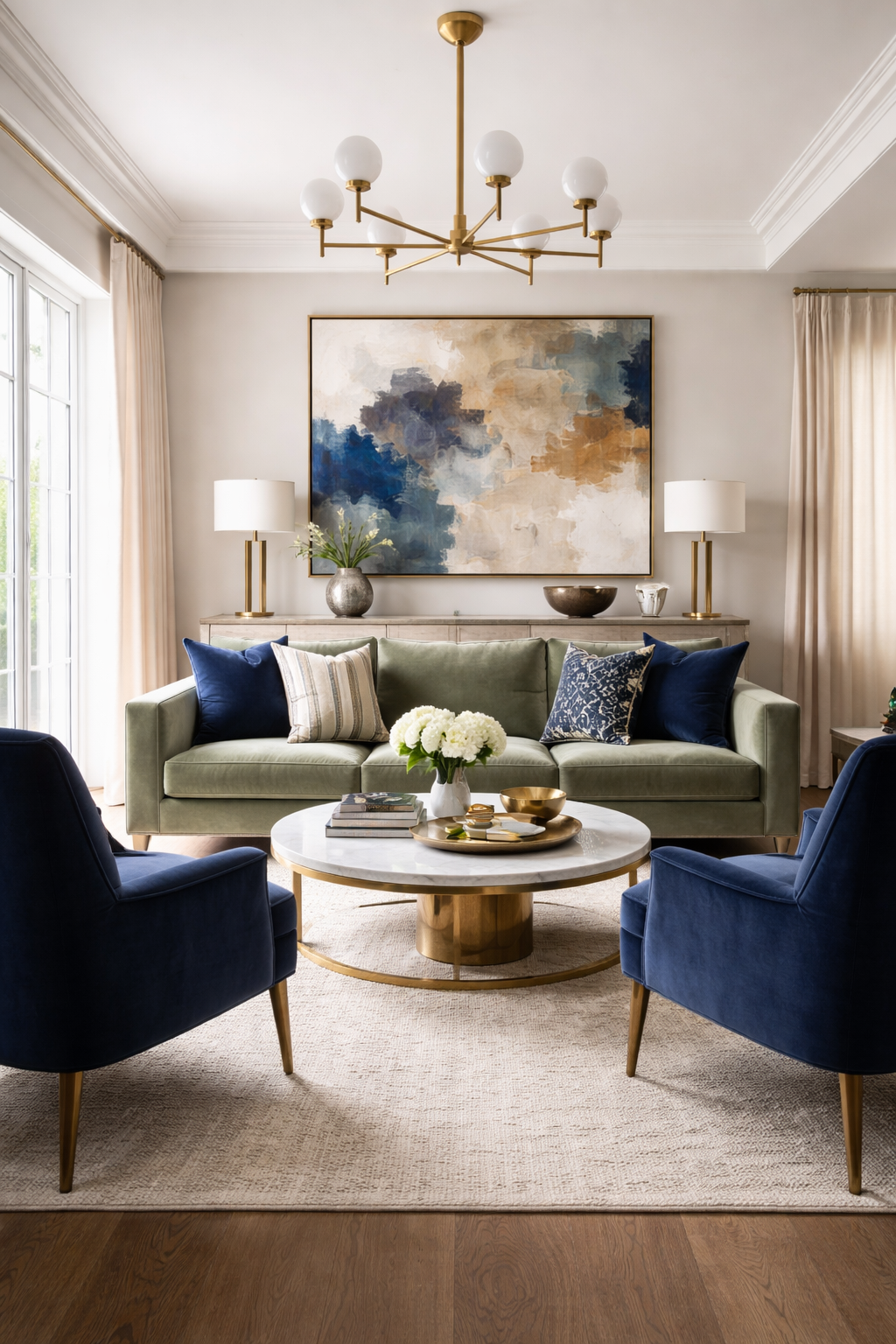
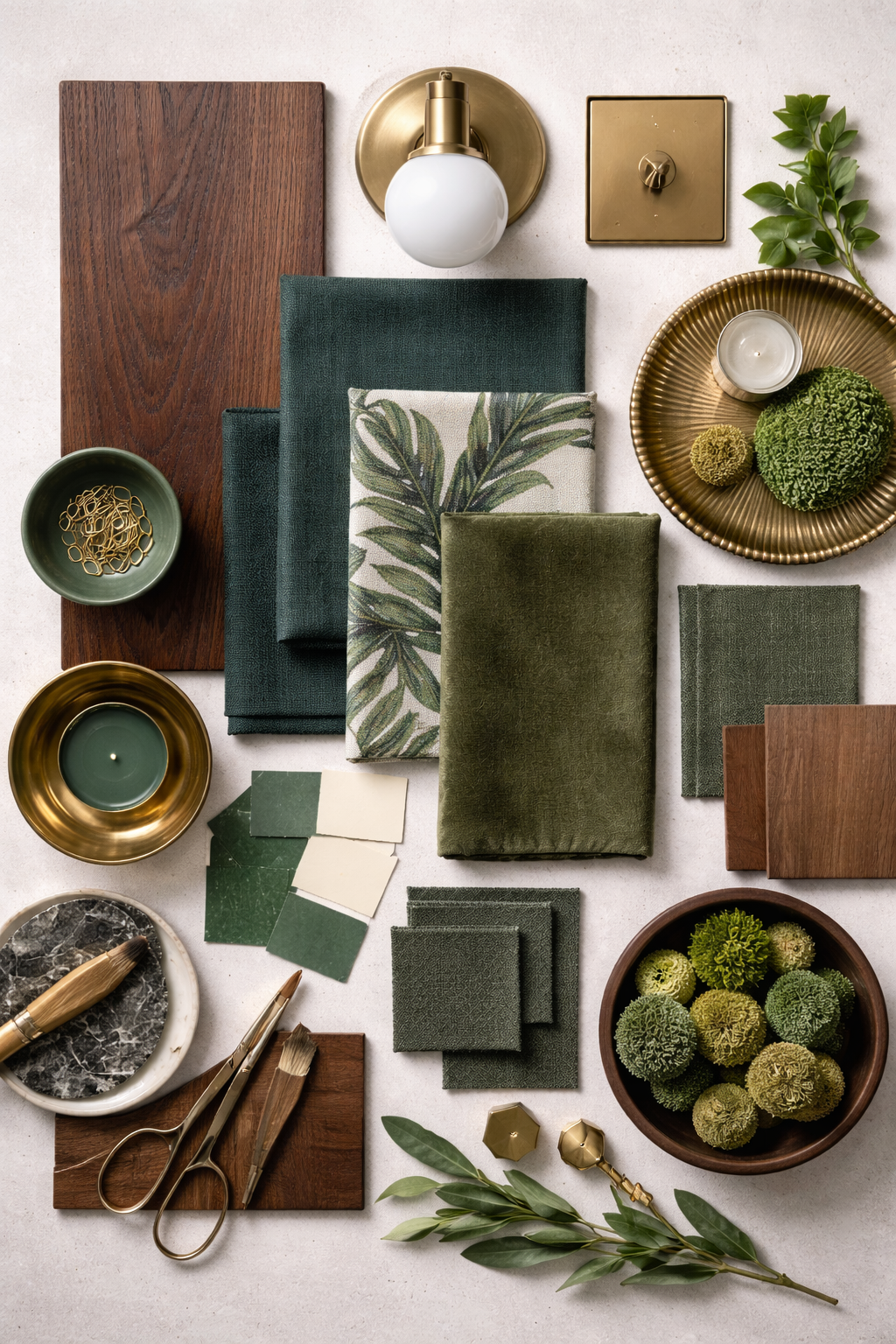
Take a deep, saturated green, add in some wood, and a warm metallic accent. Then repeat the greens, in similar but varying tones, throughout the room. Keep all your metallic accents the same tone, from light switch cover, lamp base, decorative tray, etc. Use darker wood tones versus lighter, to create a more natural but rich atmosphere.
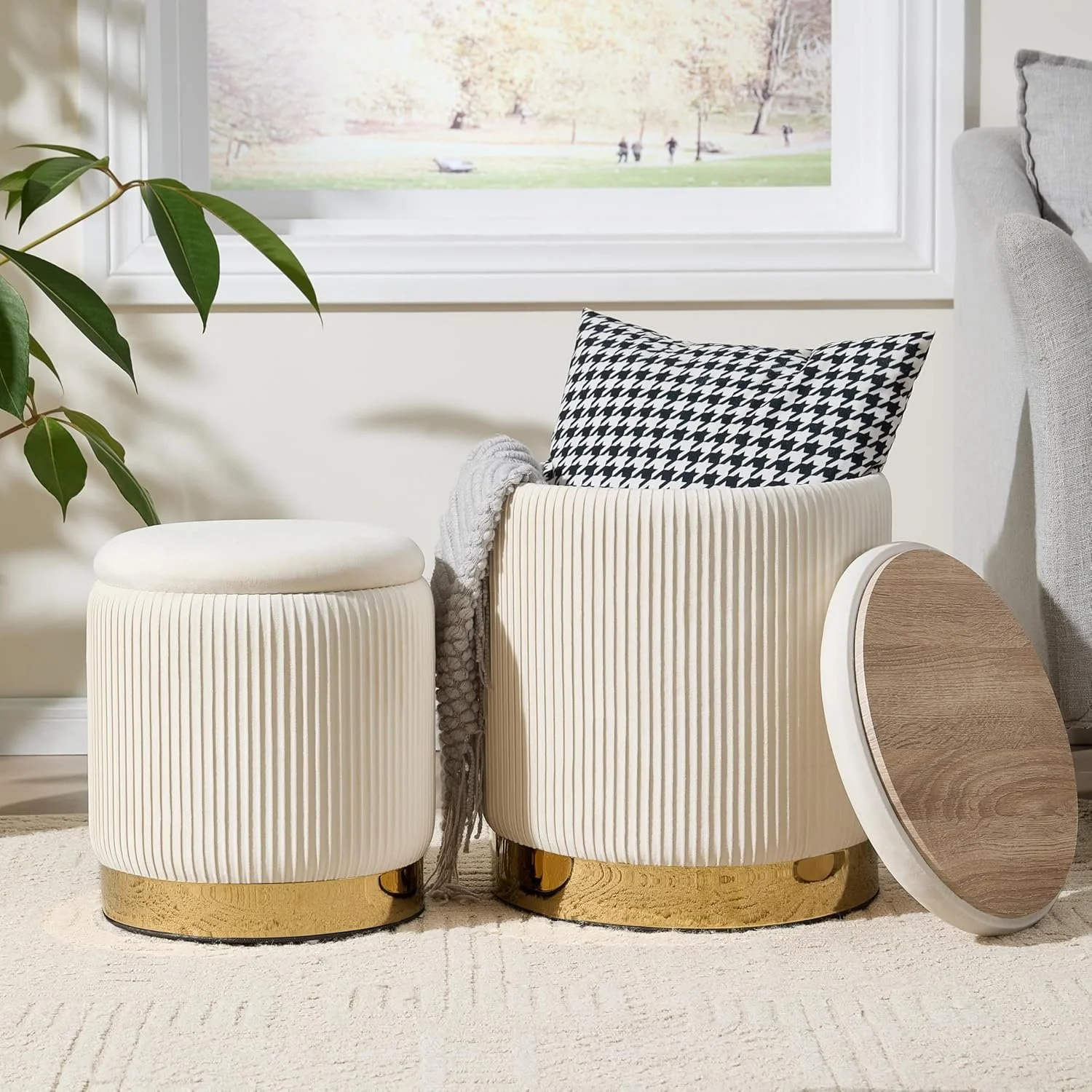
For a brighter, luxurious feel, try a combination of cream and camel, with brass and black accents. The contrast of the black feels intentional, and creates a bit of an unexpected moment, which prevents a neutral space like this from falling flat. The brass adds warmth, and warm instantly translates to luxurious.
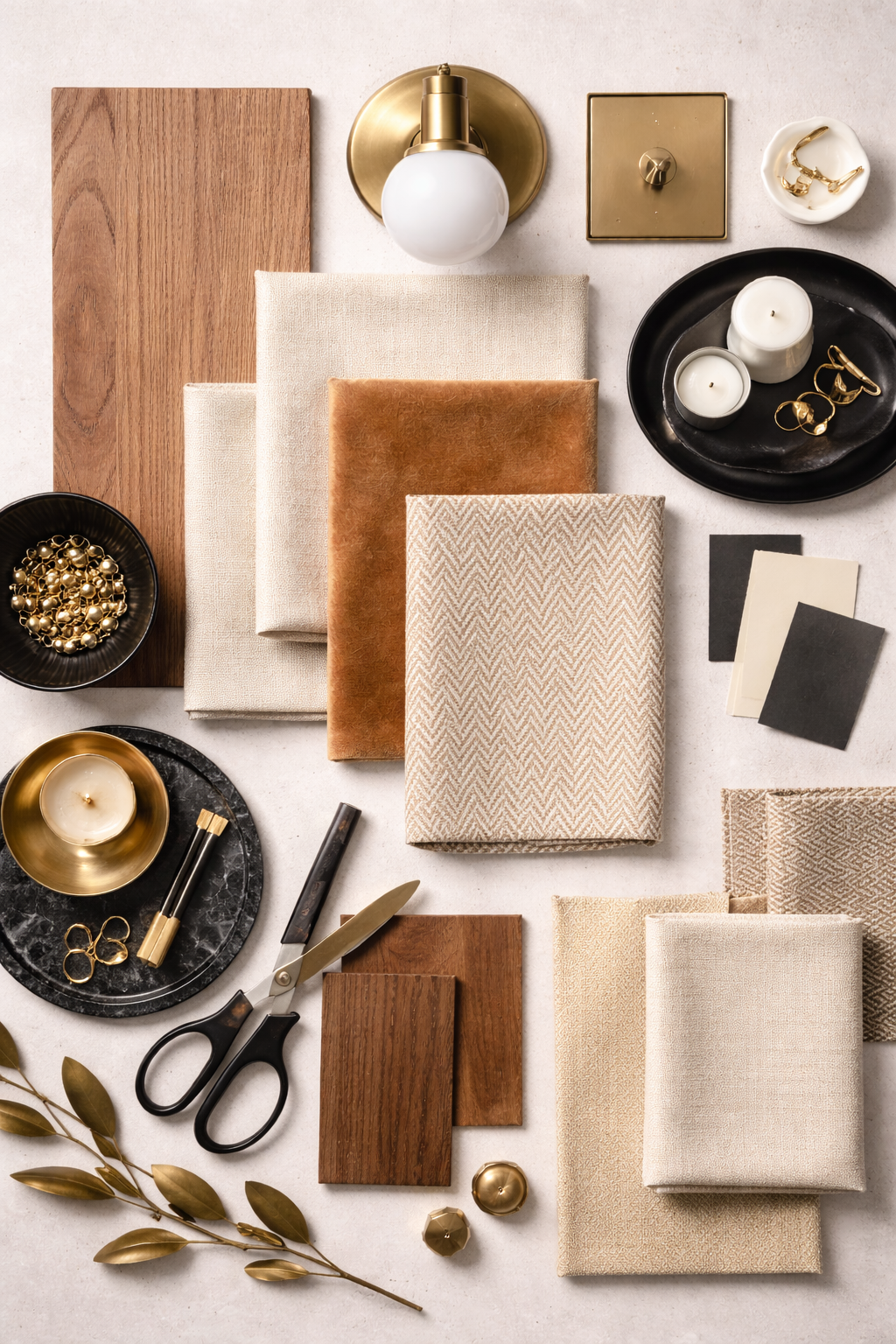
There is no limit to the color options you can choose, just limit the amount of colors used in the space. Disciplined color repetition with intentional contrast is luxurious, and your space can be customized to really feel like you, only if you were super expensive.
Texture Is What Makes Neutrals Feel Rich
It might not be my jam, but I can at least appreciate the appeal of a neutrally decorated space. The cohesion, the calmness, the resolved sense of overall style, this actually screams luxury at the very top of its lungs. The trick is to make sure that your neutral room has texture, or else it will fall flat. Flat rooms look cheap, while layered rooms look expensive and designed.
Texture is the color in elevated neutral rooms. It provides dimension, tactile contrast, depth, and visual interest. Keep texture in mind when picking items for your space, and don’t be scared of it. You can’t really have too much texture. Easy wins for texture include throw pillows and blankets, rugs, curtains or window treatments, and even artwork can provide texture to a space. These are all items with low commitments and are easy to update, and don’t require as much investment as, say, a new floor.
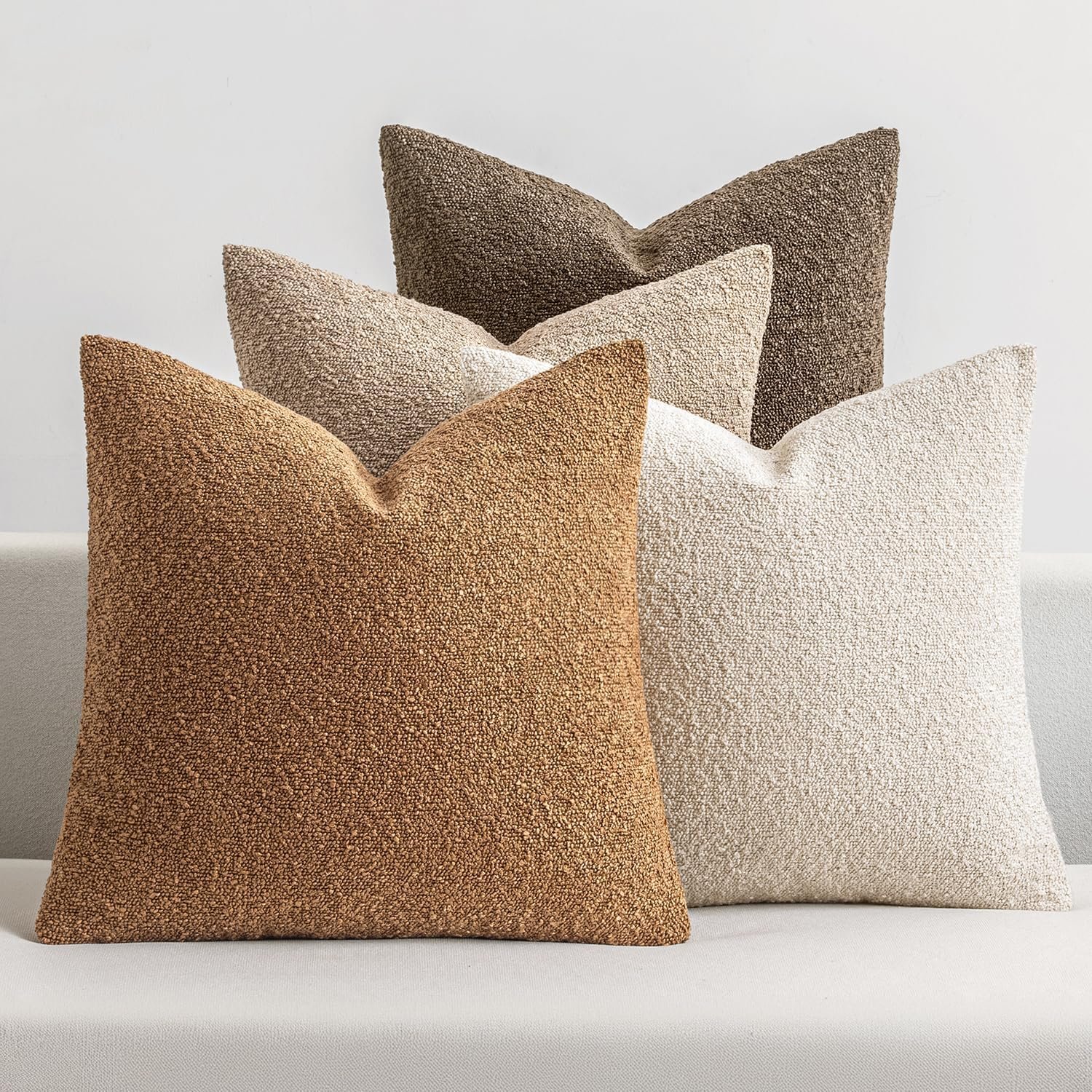
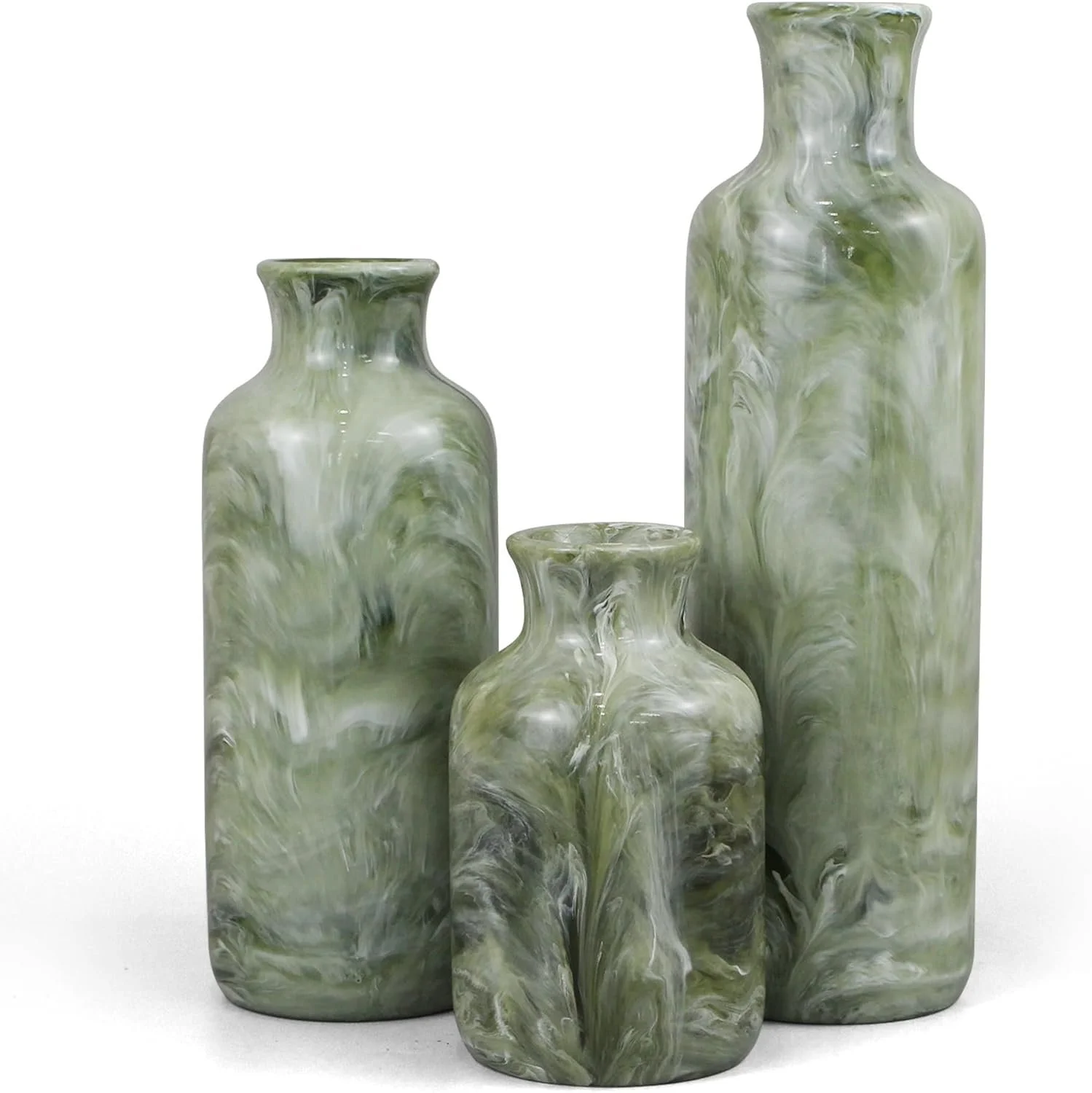
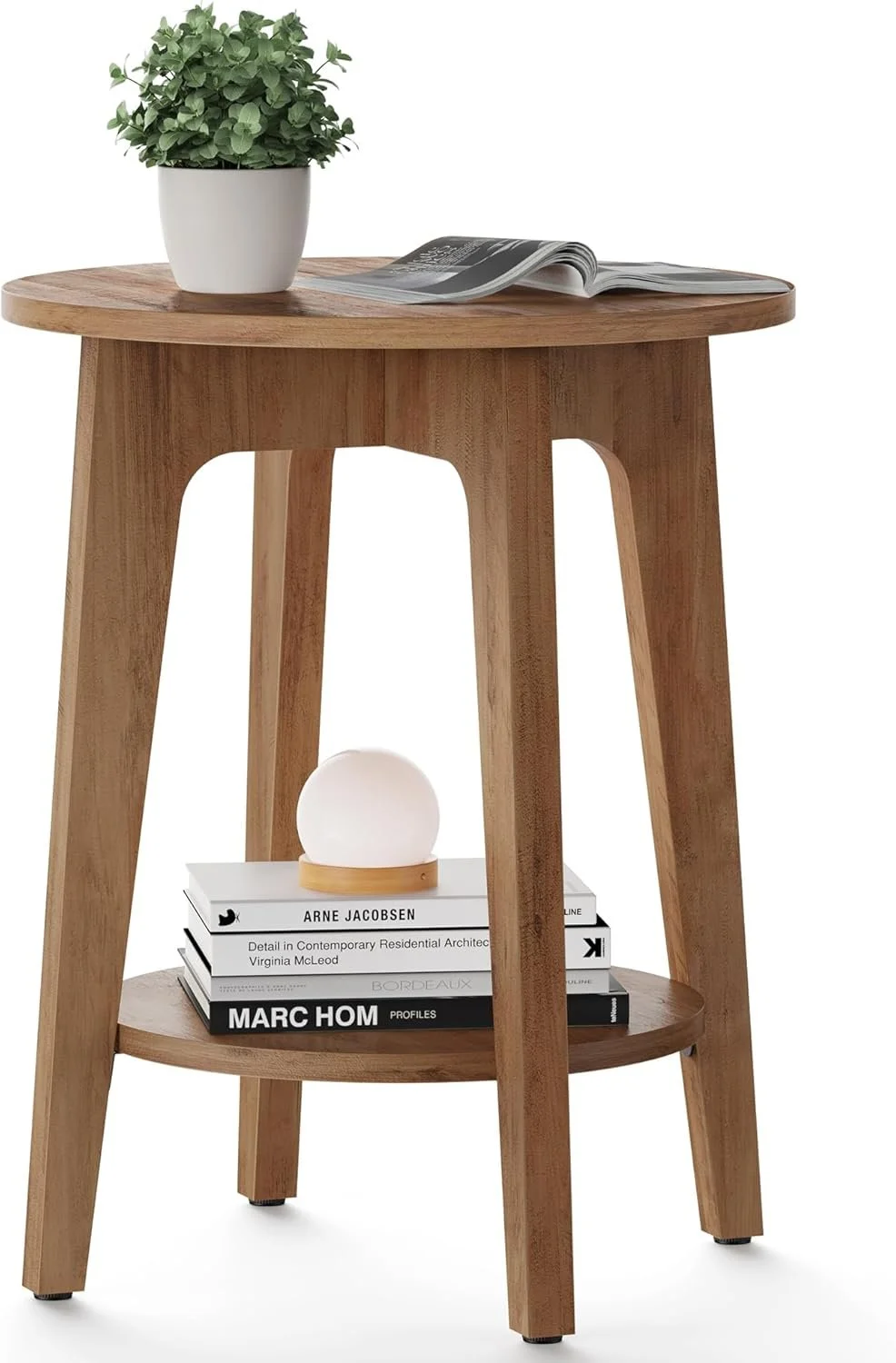
It’s also good to keep in mind when looking for decor for a neutral space, the idea of natural looking materials. Ceramic vases, wooden coffee tables, branches, plants, or floral arrangements, end tables with a stone top. These are natural and natural looking materials that help elevate perception. The natural variation helps the room from looking flat, and as always, flat rooms look like cheap rooms.
Everything In Its Place
The difference between a room that looks expensive and one that looks… fine? Integration. Not more stuff. Not better stuff. Just better decisions.
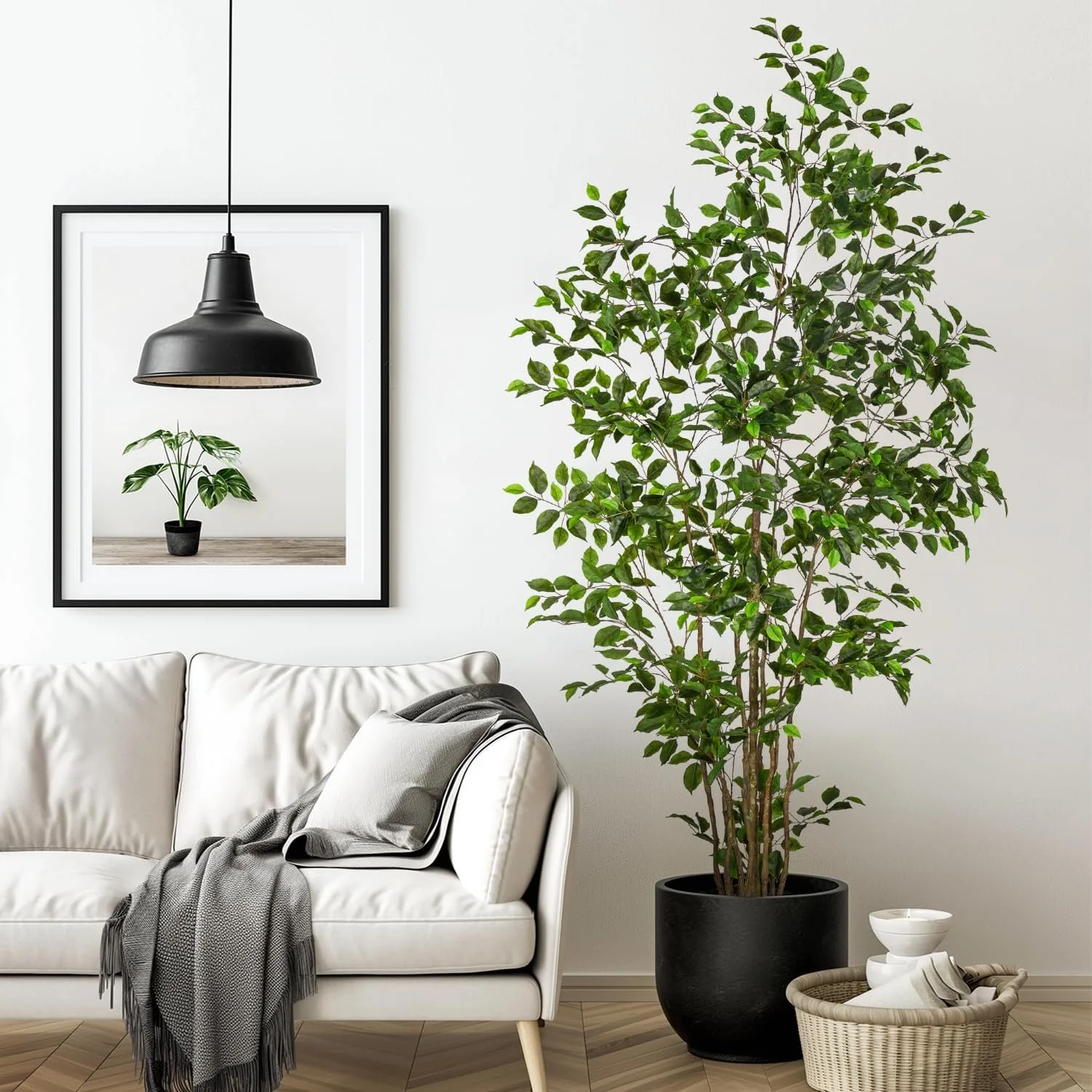
Luxury spaces don’t look like someone went shopping and filled corners. They look like everything belongs exactly where it is. Curtains aren’t an afterthought, they’re hung high and wide like they’re part of the architecture. Furniture doesn’t cling to the walls like a middle school kid at their first dance, it sits where it actually makes sense. Even pulling pieces a few inches forward creates breathing room and makes the layout feel intentional instead of a default.
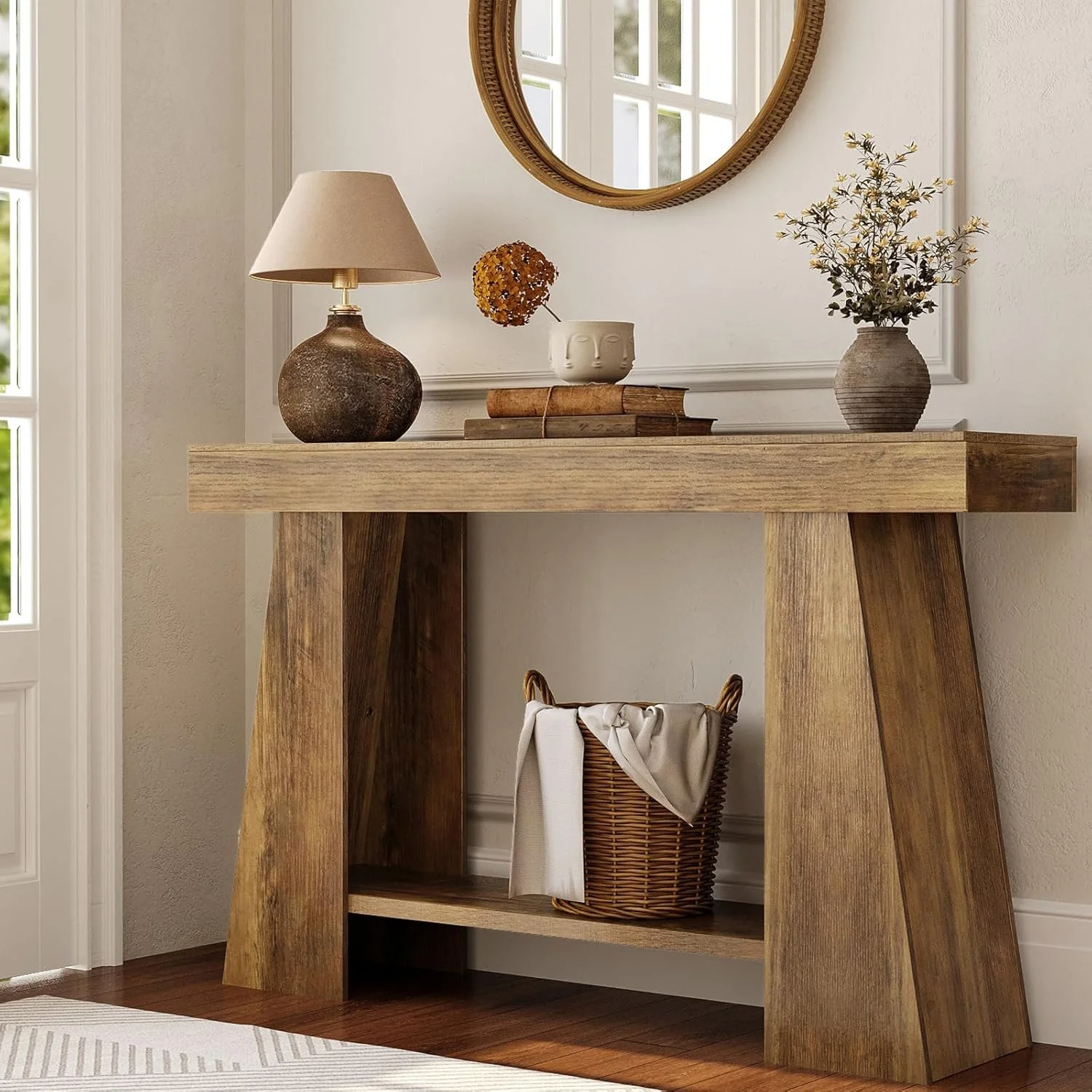
And then there’s alignment. When things line up, the whole space starts to feel calmer, sharper, more intentional. Artwork framed to the furniture below it, sconces equally spaced apart over a bed, chairs that mirror each other across a focal point, these are all examples of good alignment in a room. It’s the visual equivalent of good posture. You don’t notice it immediately, but you absolutely notice when it’s missing.
Symmetry works the same way. It’s not about being formal or fussy, it’s about giving the eye somewhere to land. A little balance, a little structure, and suddenly the room reads as polished instead of pieced together. Pieced together means you can see the individual choices. Polished means you see the room as a whole. Guess which one reads as more luxurious?
Small Details That Do More Than You Think
At the end of the day, expensive looking rooms aren’t built, they’re edited. Not more, just better. Better scale, better placement, better alignment. The kind of decisions that make everything else fall in line.
Once you get that part right, you don’t need a house full of expensive things, you just need the right things. The pieces that support the room instead of competing with it. In other words, you don’t need an $800 toaster in your kitchen to make it feel luxurious. All you’re really doing is looking like you’re not so great at budgeting, which is a major design faux pas.
So below, I’ve rounded up a few favorites that do exactly that—along with some smaller, high-impact tweaks that don't need a full section, but absolutely make a difference.
Swap your lightbulbs
If your room feels off and you can’t figure out why, it’s probably the lighting. Warm light instantly reads richer and more inviting. Cool light reads like a dentist’s office. Choose accordingly.
Upgrade what your hands touch
Cabinet hardware, light switches, outlet covers, these are tiny details that you interact with constantly. When they look intentional, the entire room feels more considered.
Fix your curtain situation
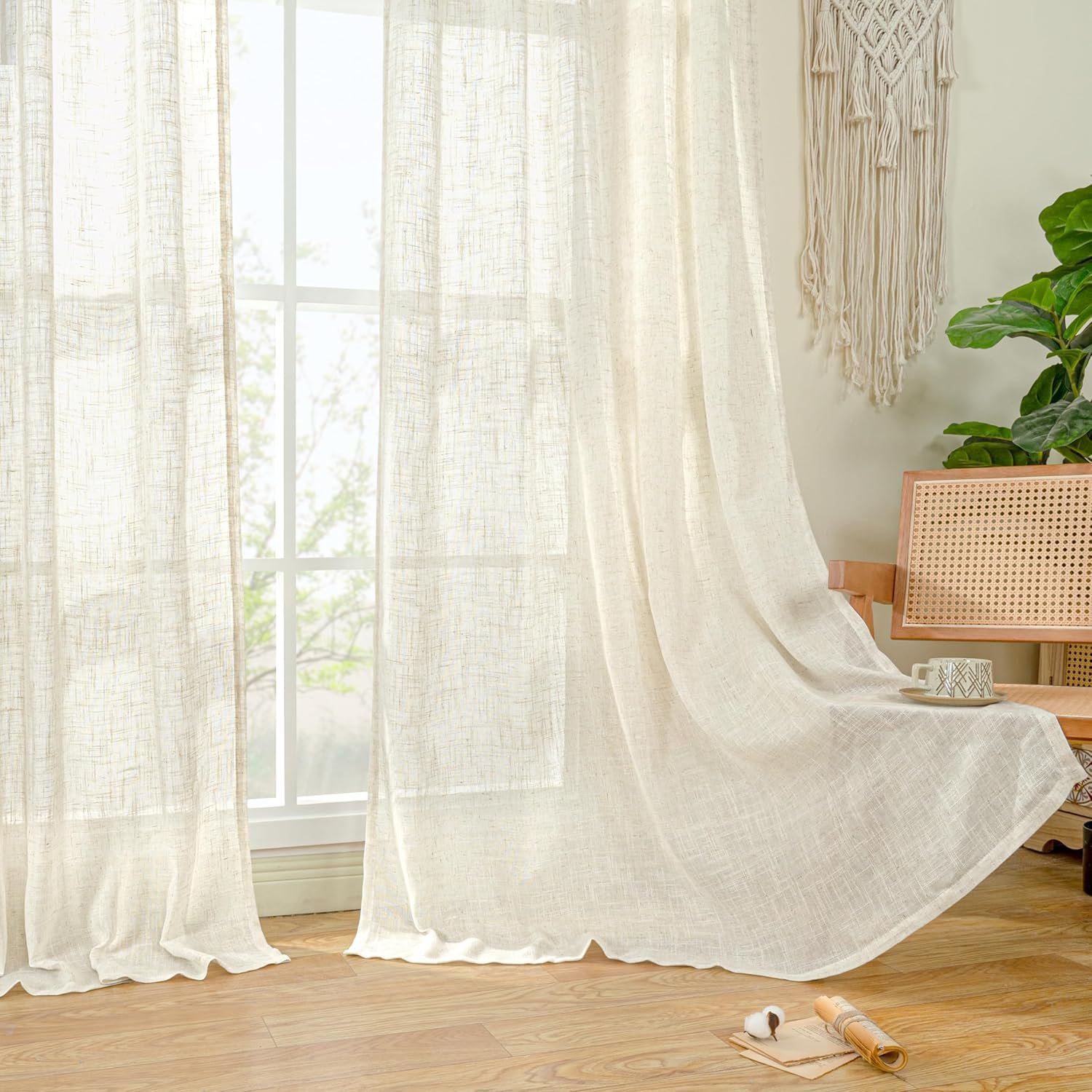
If your curtains are too short, too narrow, or barely covering the window, they’re working against you. Hang them higher, go wider, and let them actually frame the space instead of apologizing for it.
Corral your clutter
Trays, bowls, and baskets aren’t just decorative, they’re containment systems. A few objects grouped together will always look more intentional than the same objects scattered around.
Repeat something on purpose
A color, a material, a shape, pick one and use it again somewhere else in the room. Repetition creates cohesion, and cohesion is what reads as “expensive.”
Hide what doesn’t need to be seen
Visible storage is rarely your friend. Tuck things away where you can, and let what’s left out feel chosen instead of leftover.
Steam it, fluff it, straighten it
Wrinkled curtains, flat pillows, crooked art, none of it is a design problem, but it will absolutely make your room feel unfinished. Five minutes of adjusting can change the entire read of a space.
Edit just one thing out
If something feels off, don’t add, remove. Taking one unnecessary item away often makes the rest of the room make more sense.
Some More Of My Faves
As an Amazon Associate, I earn from qualifying purchases. This means I may earn a small commission when you click my linked images, at no extra cost to you. Clicking these links helps support my site and allows me to continue providing content. Thank you!