Decor That Does the Heavy Lifting in a Room
As an Amazon Associate, I earn from qualifying purchases. This means I may earn a small commission when you click my linked images, at no extra cost to you. Clicking these links helps support my site and allows me to continue providing content. Thank you!
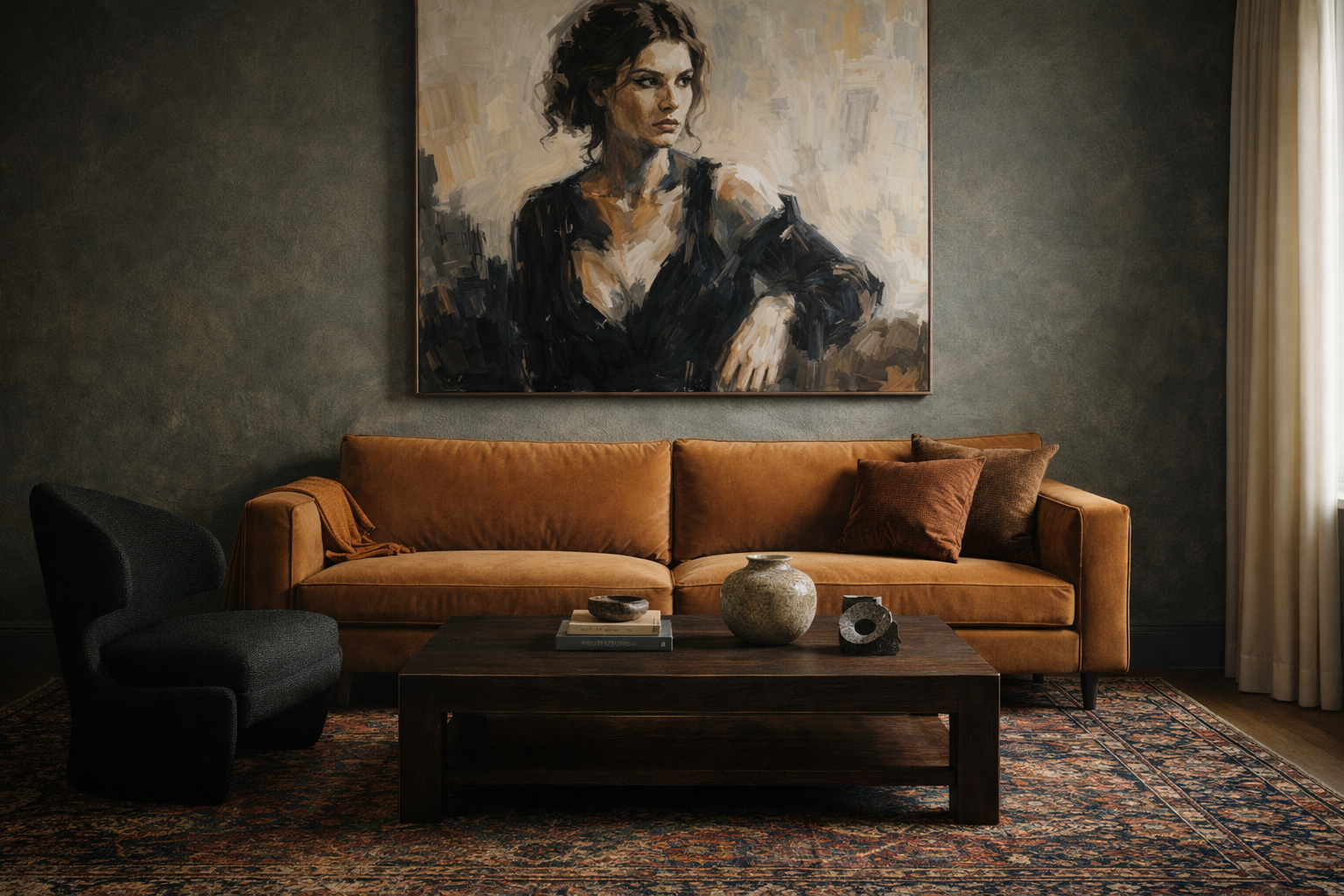
Most rooms don’t feel unfinished because they need more decor. They feel unfinished because too many things are trying to do the same job. When nothing is really pulling its weight, we start compensating with extras, another pillow, another object, another layer, and the space gets busier without actually feeling better. That’s usually the moment when it helps to stop adding and start looking at what’s doing the work.
There are certain pieces in a room that don’t just decorate; they decide. They establish the mood, anchor the furniture, and give everything else permission to quiet down. When one element is doing that kind of work, the room doesn’t need to explain itself with layers of accessories or visual noise. It simply feels resolved. This is what it looks like when decor does the heavy lifting: one strong choice carrying the weight of the space, so everything around it can stay intentional, restrained, and at ease.
The spaces shown here lean a bit modern and moody, but the idea isn’t tied to any one style. Heavy lifting decor exists in every aesthetic, it’s about scale, intention, and presence, not a specific look.
When a single piece is doing that much work, everything else in the room can afford to be quieter. The furniture doesn’t have to perform, the surfaces don’t need to be filled, and the space doesn’t rely on constant adjustment to feel complete. This is where rooms start to feel calm without being minimal, layered without being busy. The heavy lifting has already been handled, and once that’s in place, the rest of the design becomes less about adding and more about supporting what’s already working.
Art That Carries the Room
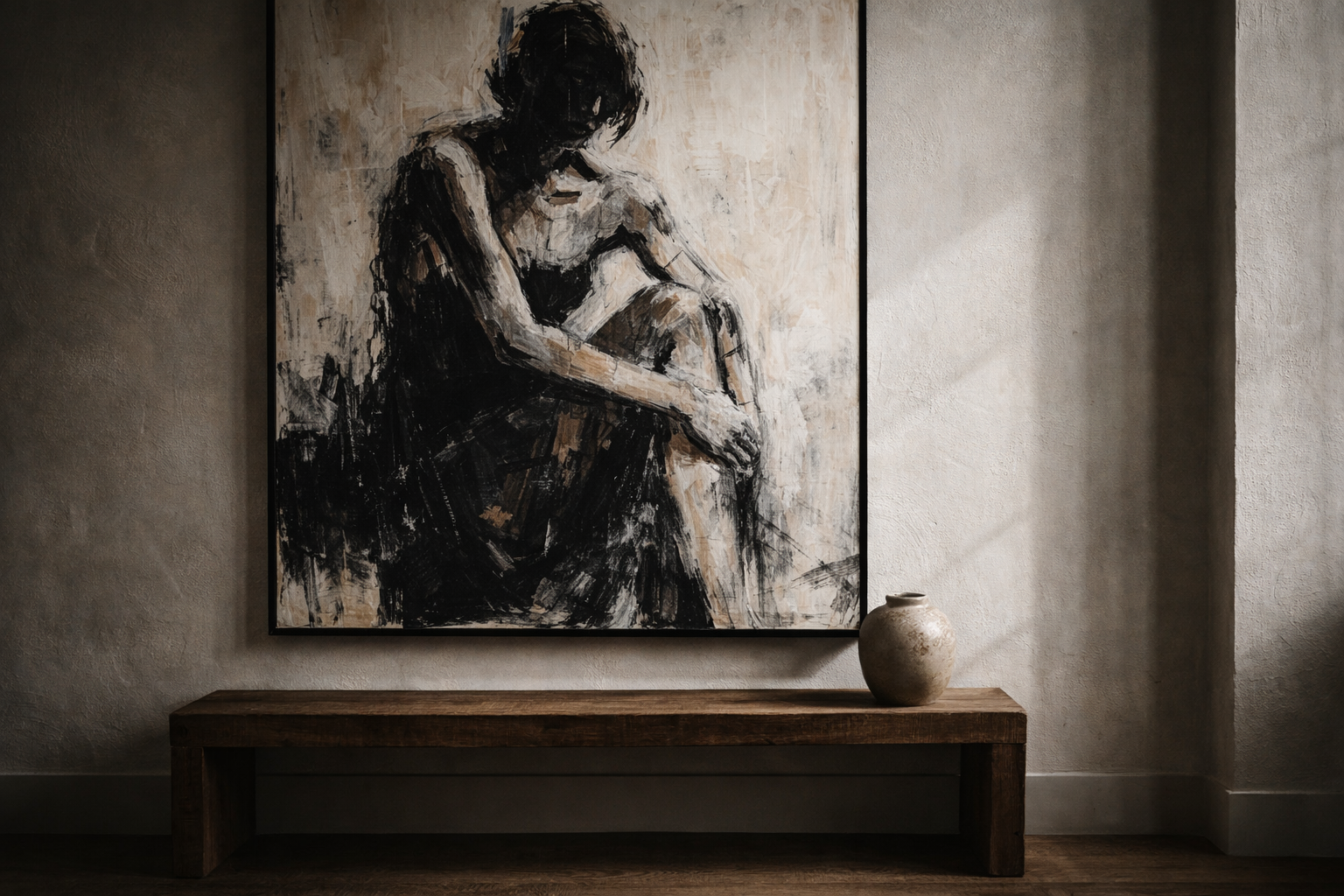
Art is one of the clearest examples of decor doing the heavy lifting, because when it’s right, it solves more than one problem at once. A single, properly scaled piece can anchor furniture, establish mood, and give a room its identity before anything else has a chance to speak. It tells you how the space wants to feel, whether that’s dramatic, grounded, playful, or serious, and everything around it naturally falls in line.
When art is undersized or treated as an afterthought, the room starts asking for help. Walls feel unfinished, furniture floats, and the instinct becomes to compensate with more; more frames, more objects, more visual noise. But when the art is strong enough to hold the wall on its own, the opposite happens. The room quiets down. The furniture feels intentional. The styling can stay minimal because it doesn’t have to explain anything.
This is why one bold piece almost always does more work than several smaller ones. It’s not about filling space, it’s about claiming it. And once that decision is made, the rest of the room can shift into a supporting role, instead of competing for attention.
Pink Abstract Art
Select images are clickable for product details.
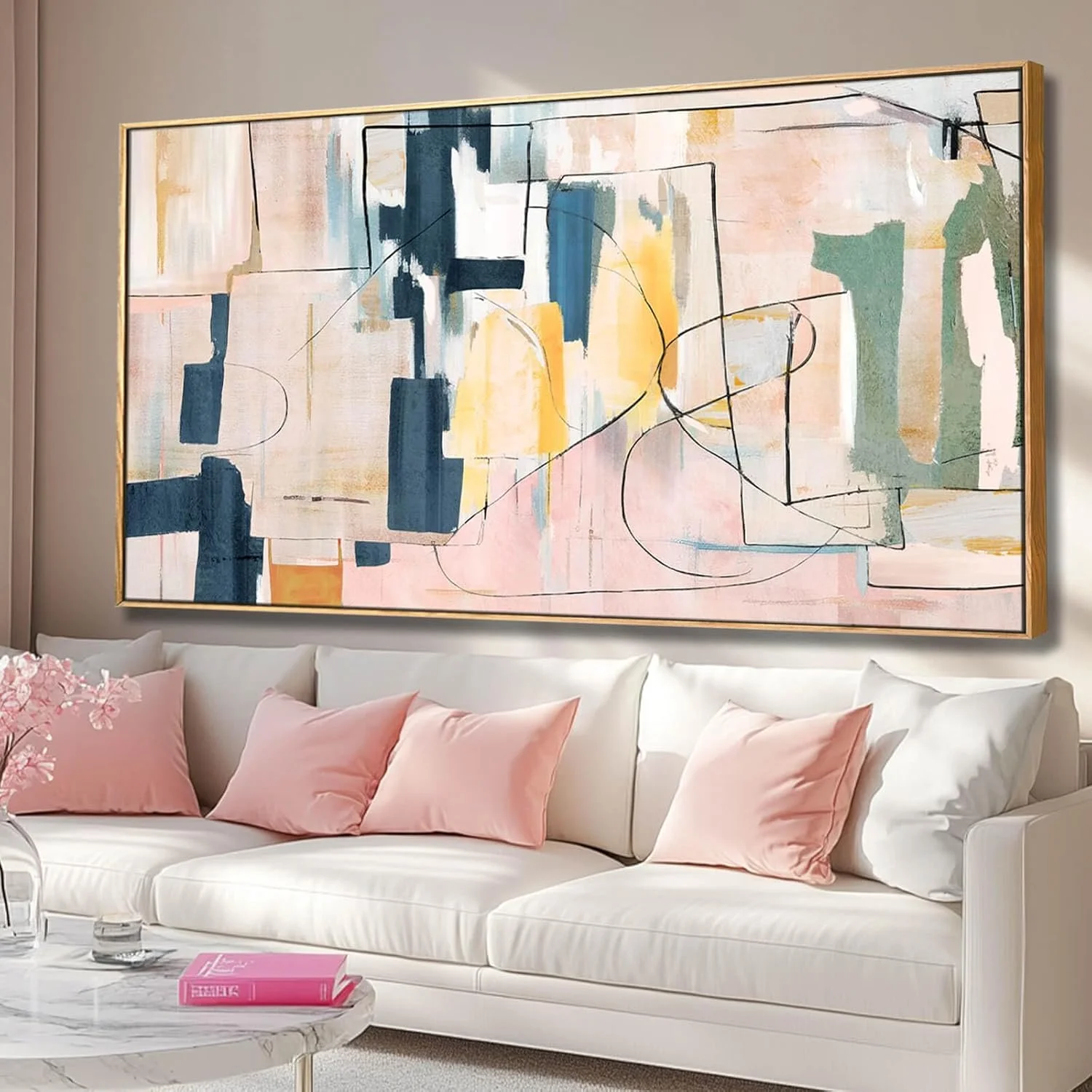
Oversized and expressive, this piece sets the emotional tone of the room before anything else has a chance to speak.
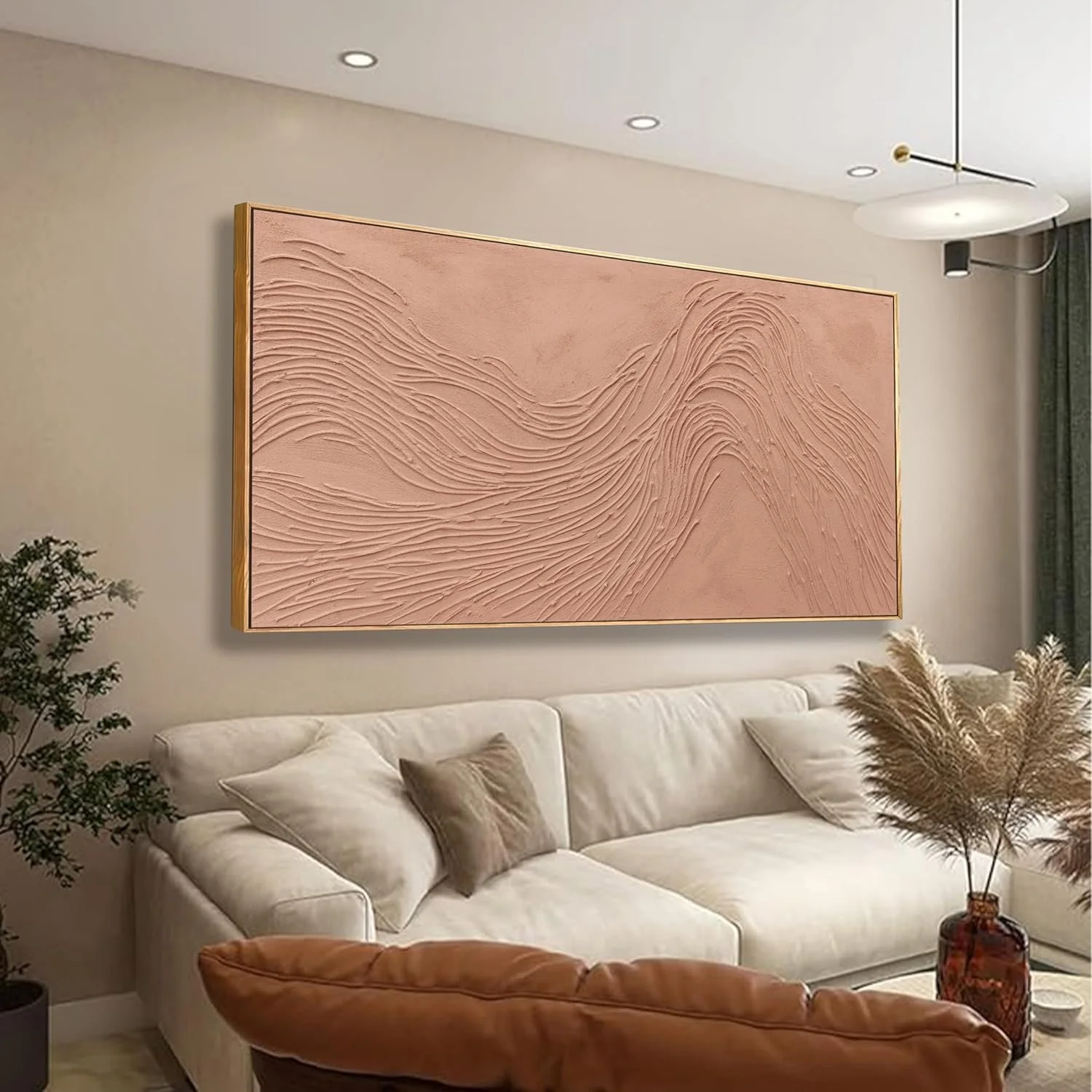
Texture and dimension give this piece presence, proving that impact doesn’t always require bold color.
A softer option that adds cohesion and scale while allowing the rest of the room to remain understated.
Rugs That Ground the Space
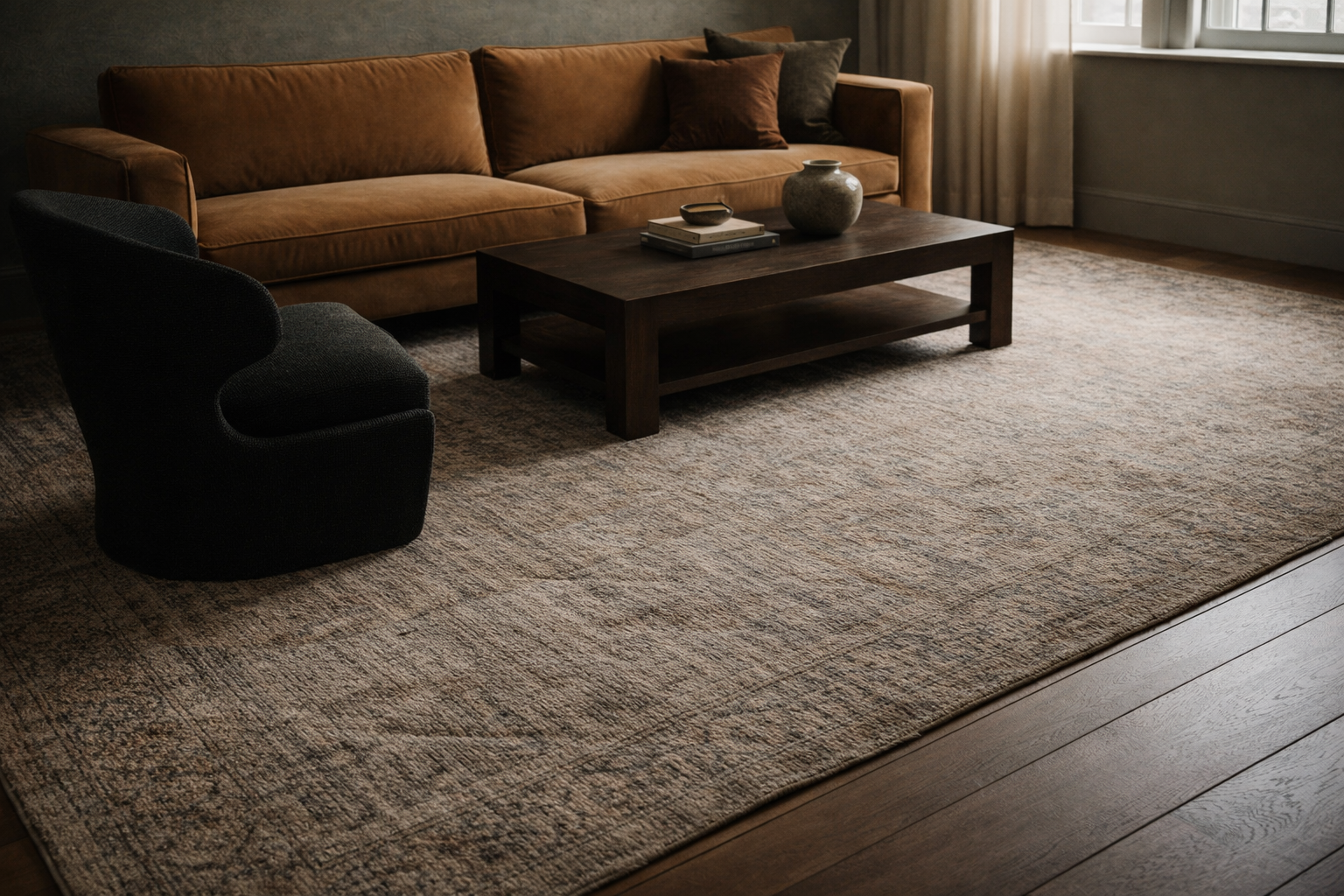
A rug that does its job properly can finish a room before anything else is added. It defines where furniture belongs, creates visual weight, and gives the space a sense of cohesion that accessories alone never can. When a rug is large enough and chosen with intention, it quietly organizes the room without asking for attention.
Most rugs fail not because they’re unattractive, but because they’re underpowered. When a rug is too small or too light, the furniture floats, the room feels unsettled, and the instinct is to compensate with more decor. More pillows, more objects, more layers, all trying to create the grounding the rug should have provided in the first place.
A rug that does the heavy lifting anchors the seating area, connects individual pieces into a single composition, and sets the tone for the room. It allows the furniture to relax into place and makes everything else feel more deliberate by comparison. Once the rug is doing that work, the room needs far less explanation, it simply feels finished.
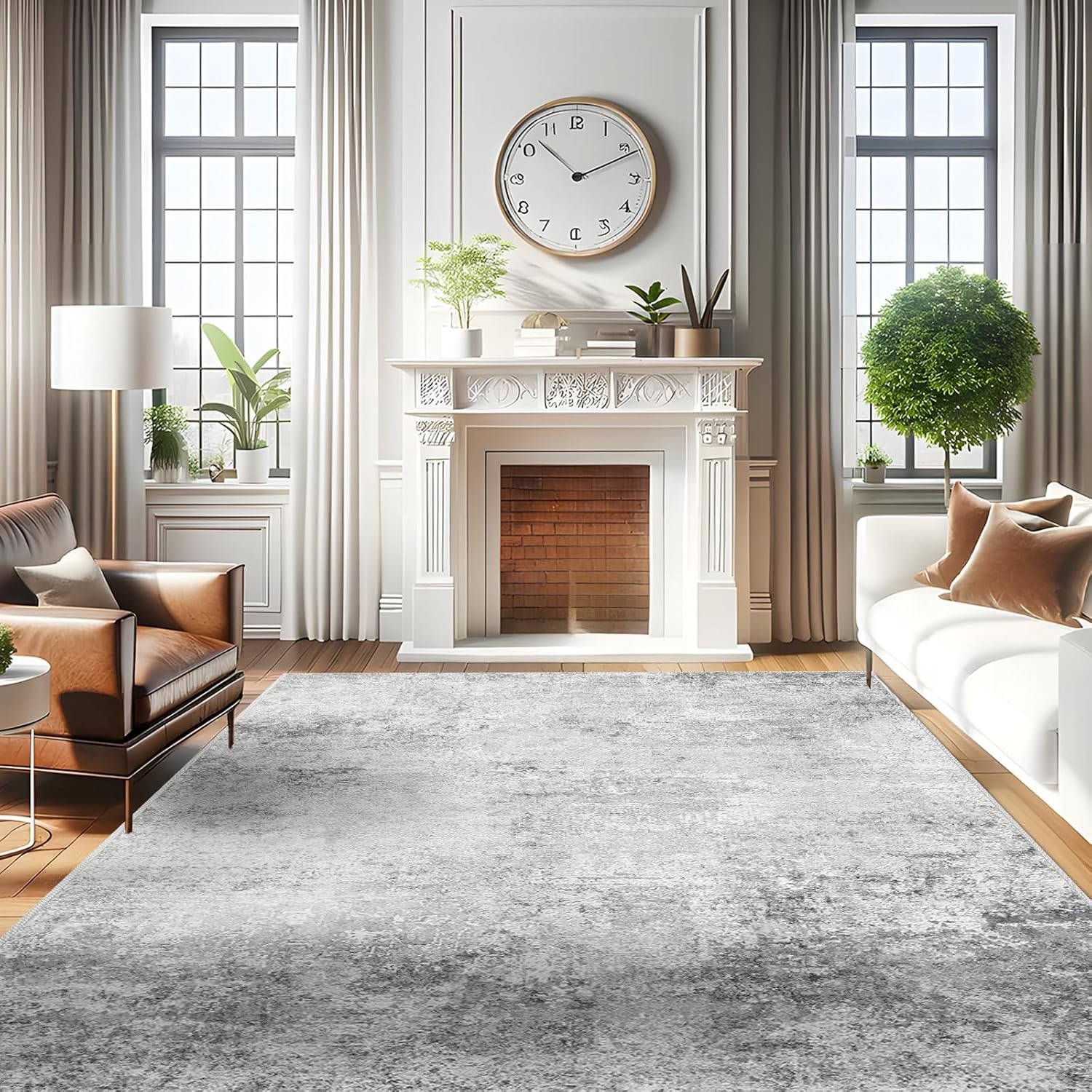
This rug does the quiet work of grounding furniture through scale and softness, making the entire seating area feel more settled and intentional.
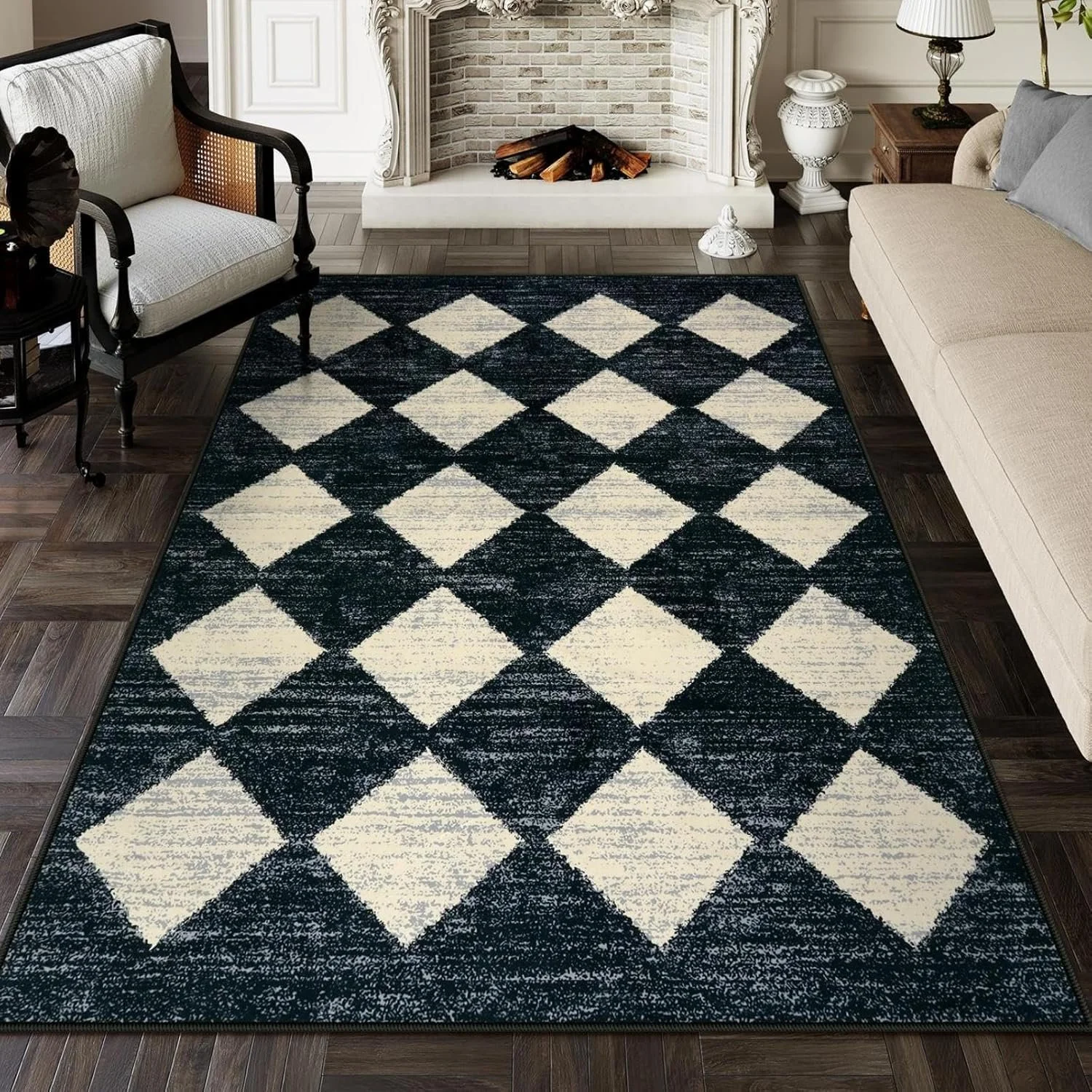
Bold enough to define a space on its own, this rug anchors furniture and gives the room clear visual boundaries.
A graphic option that brings structure and contrast to a room without relying on color to make an impact.
Lighting That Sets The Mood
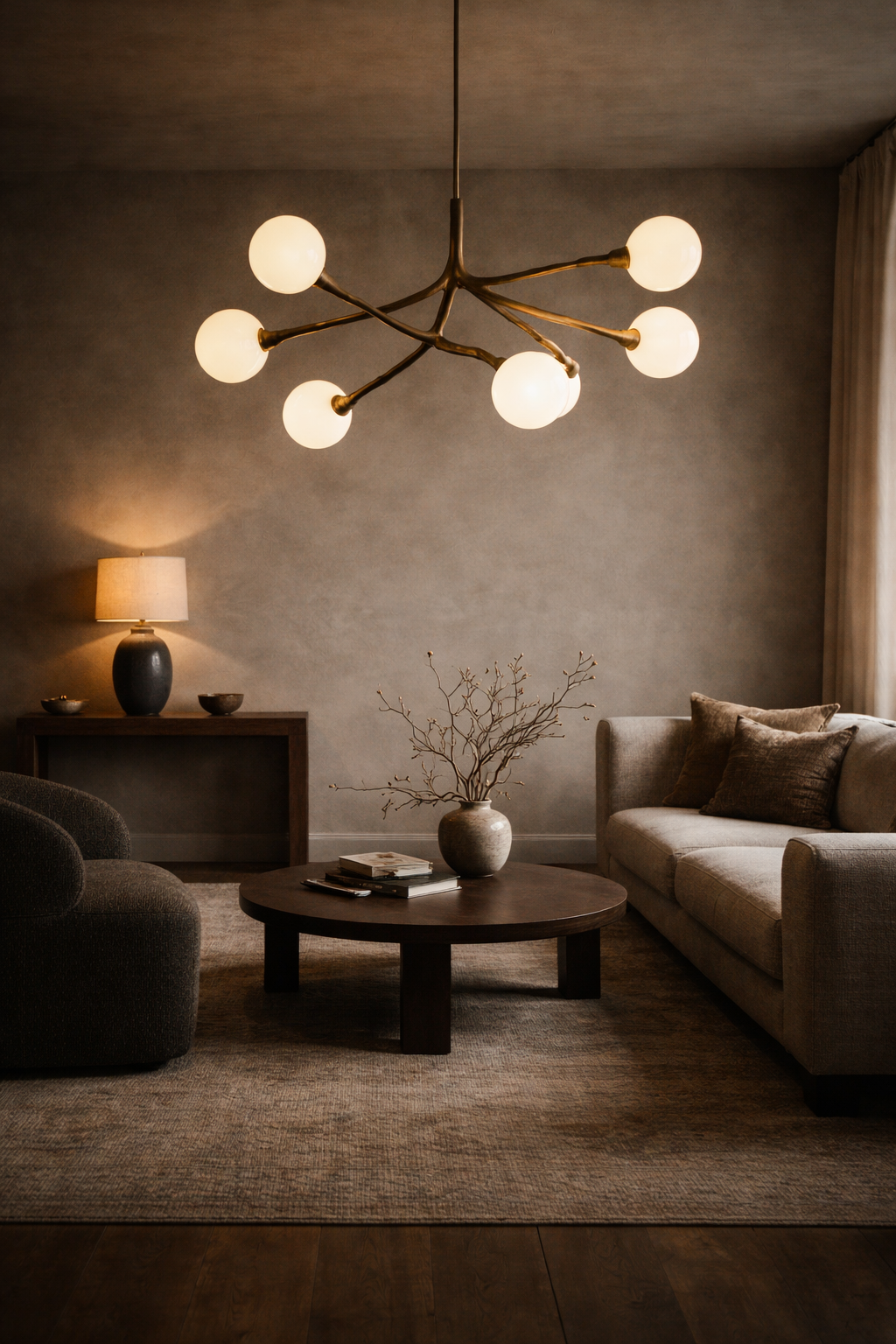
Lighting doesn’t just illuminate a space, it tells the room how to behave. When it’s chosen intentionally, it creates order, establishes hierarchy, and gives the eye a place to land. When it’s treated as an afterthought, the room can feel scattered no matter how well it’s styled.
A single, well considered light fixture can do the work of multiple decor pieces. Statement lighting, whether it’s a sculptural pendant, an oversized chandelier, or a substantial floor lamp, brings structure to a room by defining zones and setting scale. It gives the space a clear sense of intention, even before any accessories are added.
Rooms often start to feel cluttered when lighting is too small, too generic, or too evenly distributed. Without a visual anchor overhead or at eye level, the instinct becomes to compensate elsewhere, more decor on surfaces, more layers, more effort to create interest. But when the lighting is strong enough to hold its own, the rest of the room can relax. Furniture feels grounded. Styling can stay minimal. The space reads as finished without feeling overdone.
Lighting that does the heavy lifting isn’t about brightness, it’s about presence. When the fixture itself is allowed to be a design decision, it quietly organizes the entire room around it.
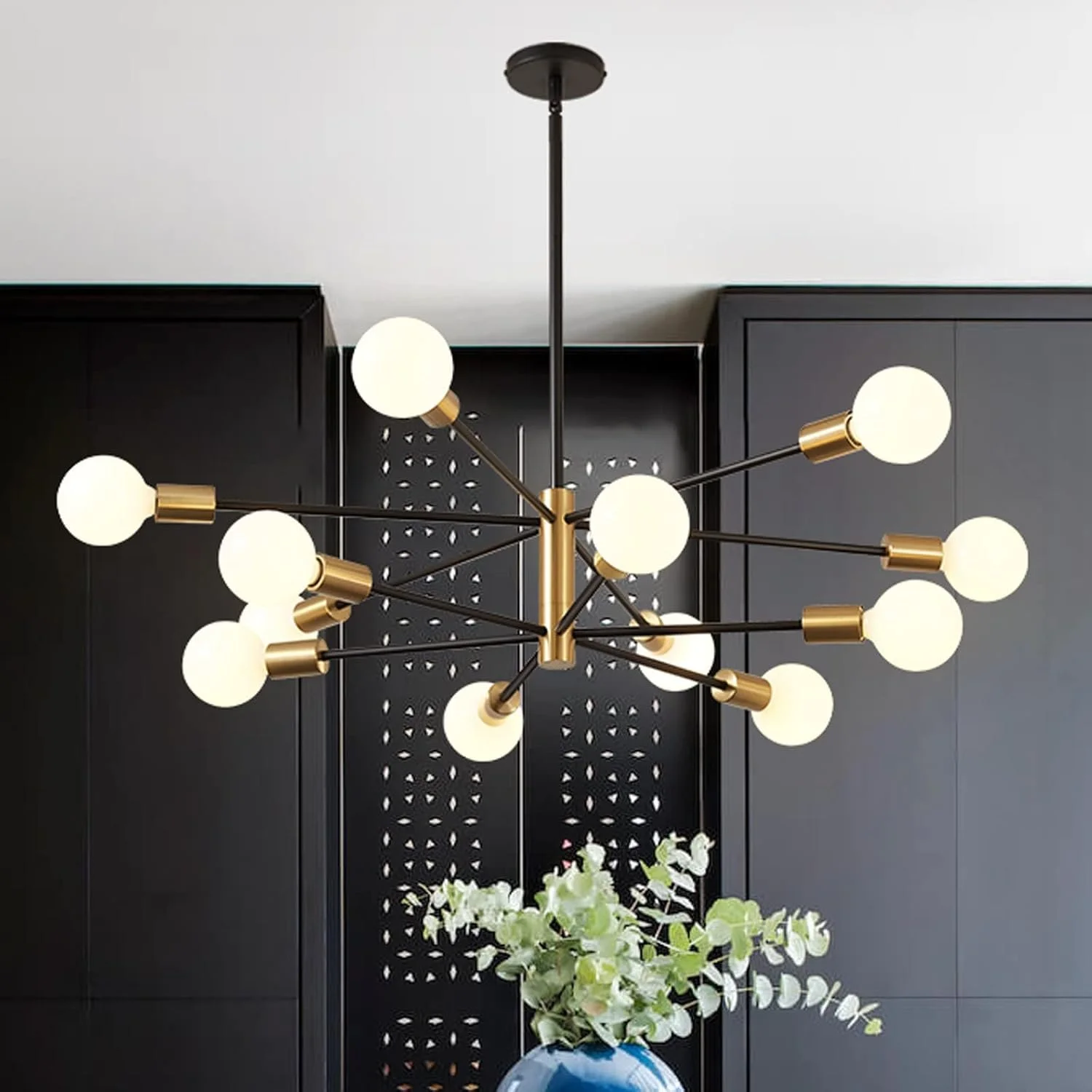
A sculptural fixture that immediately establishes hierarchy and gives the room a clear focal point.
Modern Tiered Crystal Chandelier
Refined and luminous, this light adds structure and polish without overwhelming the space.
Bubble Ball Swirled Glass Chandelier
Playful yet substantial, this fixture brings visual weight overhead and helps define the room beneath it.
Mirrors & Architectural Elements That Expand the Space
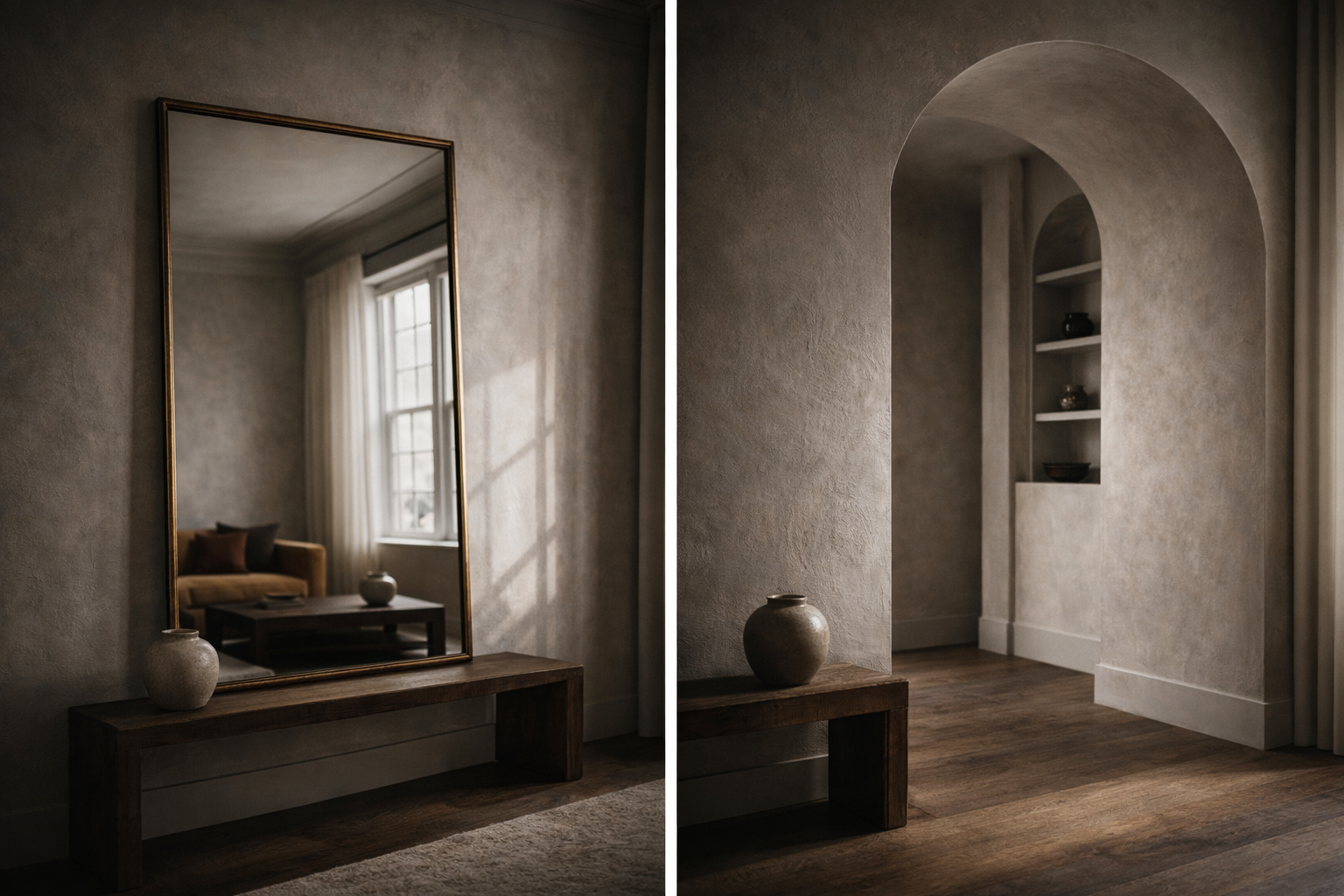
Some decor doesn’t just sit in a room, it changes how the room behaves. Mirrors and architectural elements fall into this category because they don’t rely on styling to make an impact. They alter scale, reflect light, and give a space presence without adding visual clutter.
A large mirror can do the work of multiple accessories at once. It brightens dark corners, visually widens a room, and adds depth where there might otherwise be a flat wall. When it’s properly scaled, it becomes a structural element rather than a decorative afterthought. The room feels more intentional not because you added something new, but because the space itself starts working harder.
Architectural details operate the same way. Paneled walls, molding, arches, built-ins, or even a substantial fireplace surround give a room definition before a single object is placed. They create rhythm and hierarchy, which means the room doesn’t rely on decor to feel finished. When the bones are strong, the styling can stay simple.
This is why rooms with architectural presence often feel calm even when they’re layered. The heavy lifting is already happening at a foundational level. Instead of filling blank space with objects, the space itself becomes the feature, and everything else gets to step back into a supporting role.
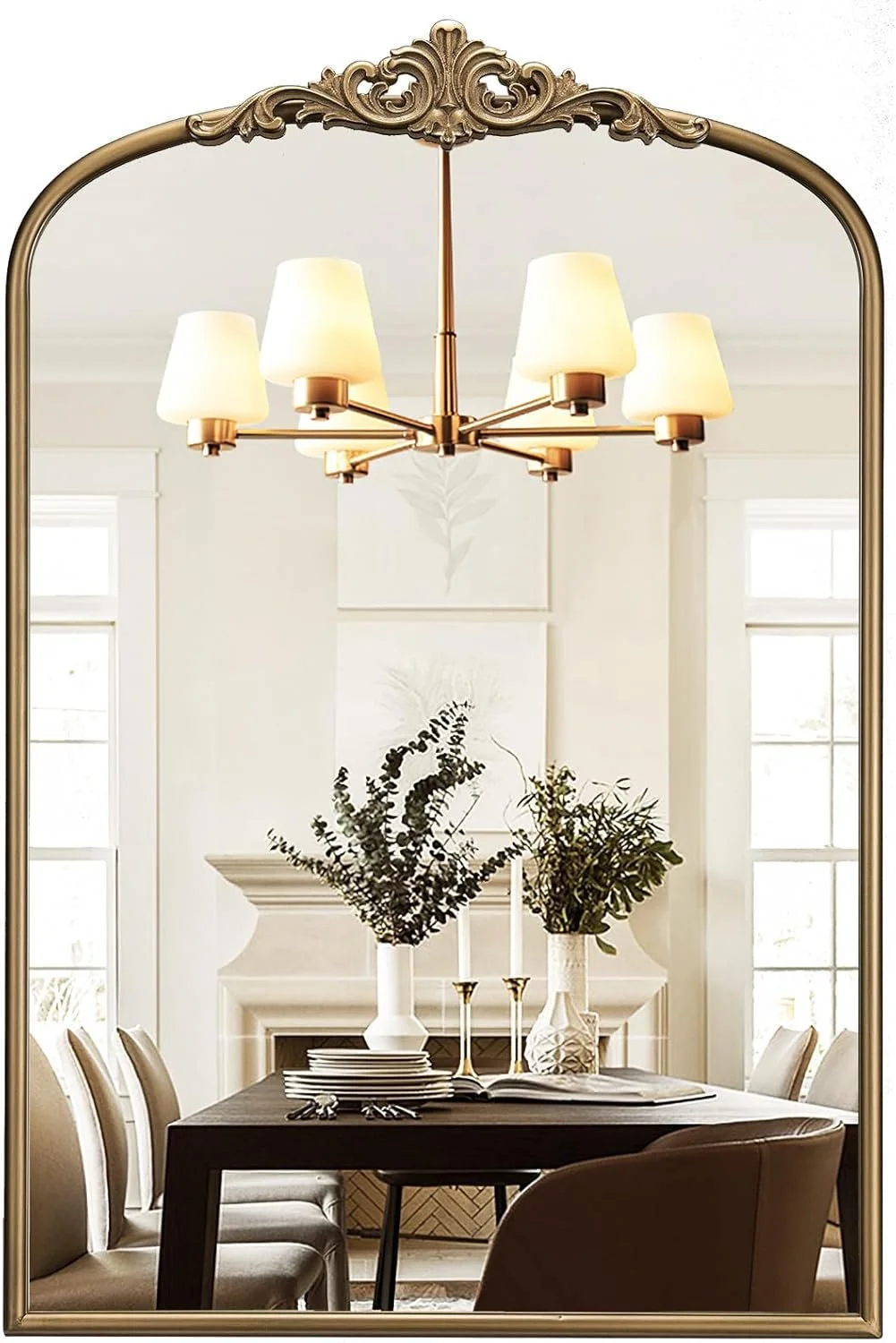
Architectural in feel, this mirror brings height and depth to a space, making the room itself do more of the work.
A classic shape with enough presence to reflect light and open up the room without competing with surrounding decor.
The asymmetry adds interest and movement, allowing the mirror to feel intentional rather than purely functional
Final Thoughts
A room feels finished not when every surface is filled, but when the most important decisions have already been made. When something in the space is doing the heavy lifting, holding the wall, anchoring the furniture, organizing the layout, or giving the room its identity, everything else has permission to be quieter. The instinct to keep adding usually isn’t about wanting more; it’s about trying to solve a problem that hasn’t been addressed yet. And once that problem is solved, the urge to layer on extra pieces fades naturally.
This is why truly resolved rooms often look simpler than expected. They aren’t sparse, and they aren’t minimal for the sake of restraint, they’re edited. The weight of the space is carried by a few intentional choices, which makes the room feel calm, confident, and lived in rather than styled all at once. Instead of asking what else should be added, the question becomes whether what’s already there is earning its place.
Decorating this way shifts the focus from accumulation to intention. It encourages you to pause before adding, to look at the room as a whole, and to consider whether one stronger decision might do more than several smaller ones ever could. When the heavy lifting is handled first, everything that follows feels less forced, and the room finally settles into itself.