Decluttering 101: Or, How I Lost Control of My House One Stuffed Animal at a Time
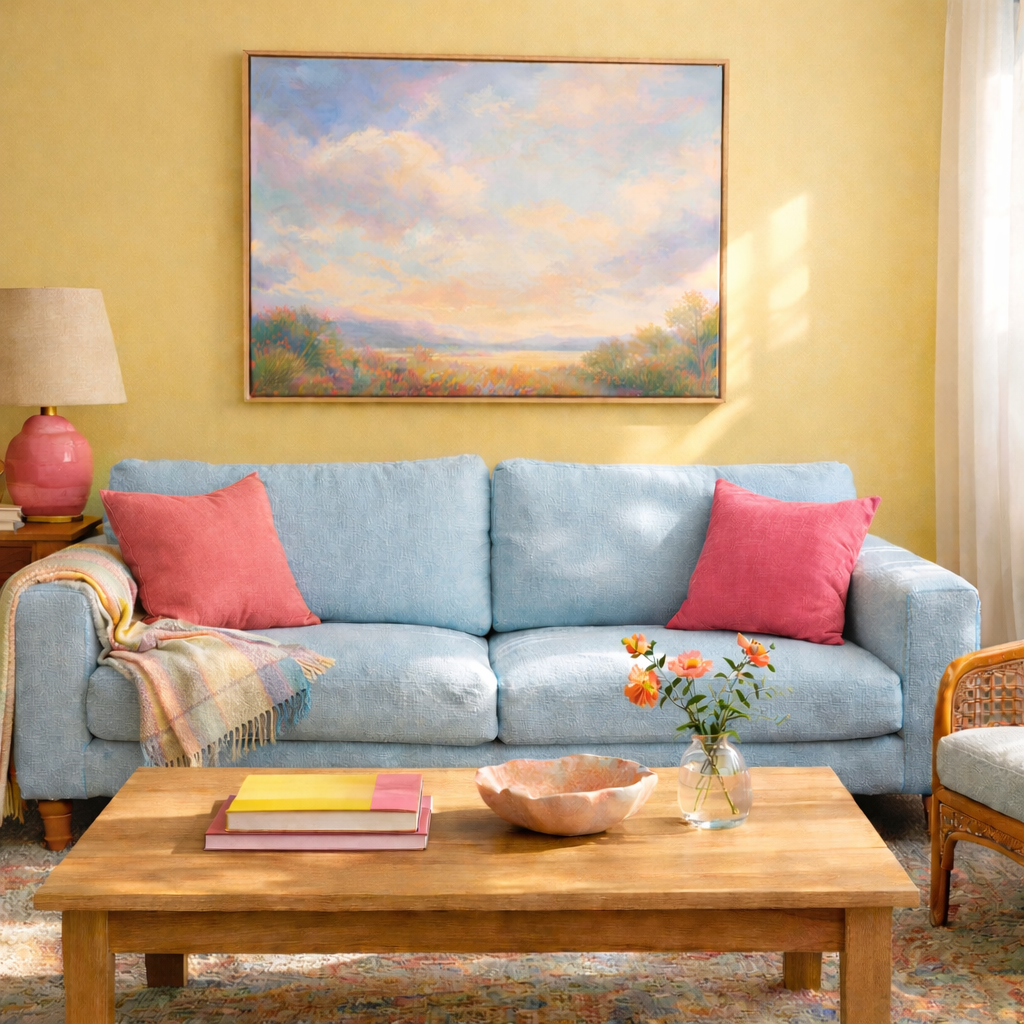
I have too much stuff in my house.
This is not a confession, this is a cry for help.
We are overrun with toys, stuffies, collectibles, serving trays, bed linens, seasonal decor, and did I mention the toys? I don’t understand how this happened. When we moved into this house over a decade ago, we owned maybe three things. Honestly, we had more cats than furniture.
Fast forward ten plus years, add one single child (just one), and somehow we are bursting at the seams.
At this point, this is no longer an organizational issue. Storage bins aren’t going to save us. You can’t organize your way out of a space that simply has too much in it. Which means the first step in any home reset isn’t organizing at all, it’s decluttering.
That’s where things get complicated.
What I see as garbage, my husband sees as “materials for a future project.” What I see as another random stuffed animal is, according to my daughter, her most favorite stuffie ever, and absolutely cannot be let go. My daughter has many favorites. All of them are non-negotiable.
I deal with this constantly in my work. Decluttering is usually the very first thing I recommend when helping someone rethink their space, and it’s also where most people get stuck. You can’t decide what to store or display until you pare down what you’re actually keeping, but over time we become sentimental about everything. Items without real meaning get emotionally bundled together with the ones that truly matter, and suddenly nothing feels easy to let go of.
Over the years, I’ve developed a few techniques that help cut through that mental gridlock: methods I use for clients and, once again, for myself. Since I’m actively trying to help my own home breathe again, I figured I’d share what actually works.
The Defecation Decider (Yes, Really)
The first technique is the big one. The one that gets through the majority of the clutter in a space. It’s also the grossest.
I call it The Defecation Decider.
I’ve had people ask me to repeat myself, convinced they heard me wrong. They did not.
Here’s how it works. You pick up a random item in your home and really look at it. Do you remember where it came from? Does it carry a specific memory? Do you love it, or do you just tolerate its presence? Is it functional, or is it purely decorative?
Now ask yourself this: if this item fell into a big, steaming pile of elephant poop, would you try to wash it off and keep it, or would you take the loss and let it go?
Elephant poop has a remarkable way of putting things into perspective.
Personally, I can imagine myself attempting to save my great-grandfather’s samovar if it were smothered in circus dung. But if the same thing happened to that fun IKEA vase I bought three years ago, I’d probably be willing to say goodbye.
To be clear, this doesn’t mean you need to get rid of your fun IKEA vase. The goal here is not to strip your home of personality. The point is to use this mental exercise on groups of similar items. Instead of evaluating everything one by one, gather categories together, decorative vases, non-sentimental decor, glassware, throw pillows, even plain black t-shirts in your closet, and mentally drop the entire group into the poop.
Which pieces would you bother cleaning? Those are the ones you keep. The rest, the ones not worth the effort, can go. This will vary for everyone; what I would be desperate to save, you might be all too willing to let go. That’s fine, that’s what keeps your space personable. It’s what’s precious to you that matters, not to others.
Doing this in groups makes the process faster and more rational. It also helps prevent regret. You’re still left with decorative objects, just fewer and better ones. You haven’t deprived yourself, you’ve edited.
And sometimes, you might realize none of them are worth saving. That’s okay too.
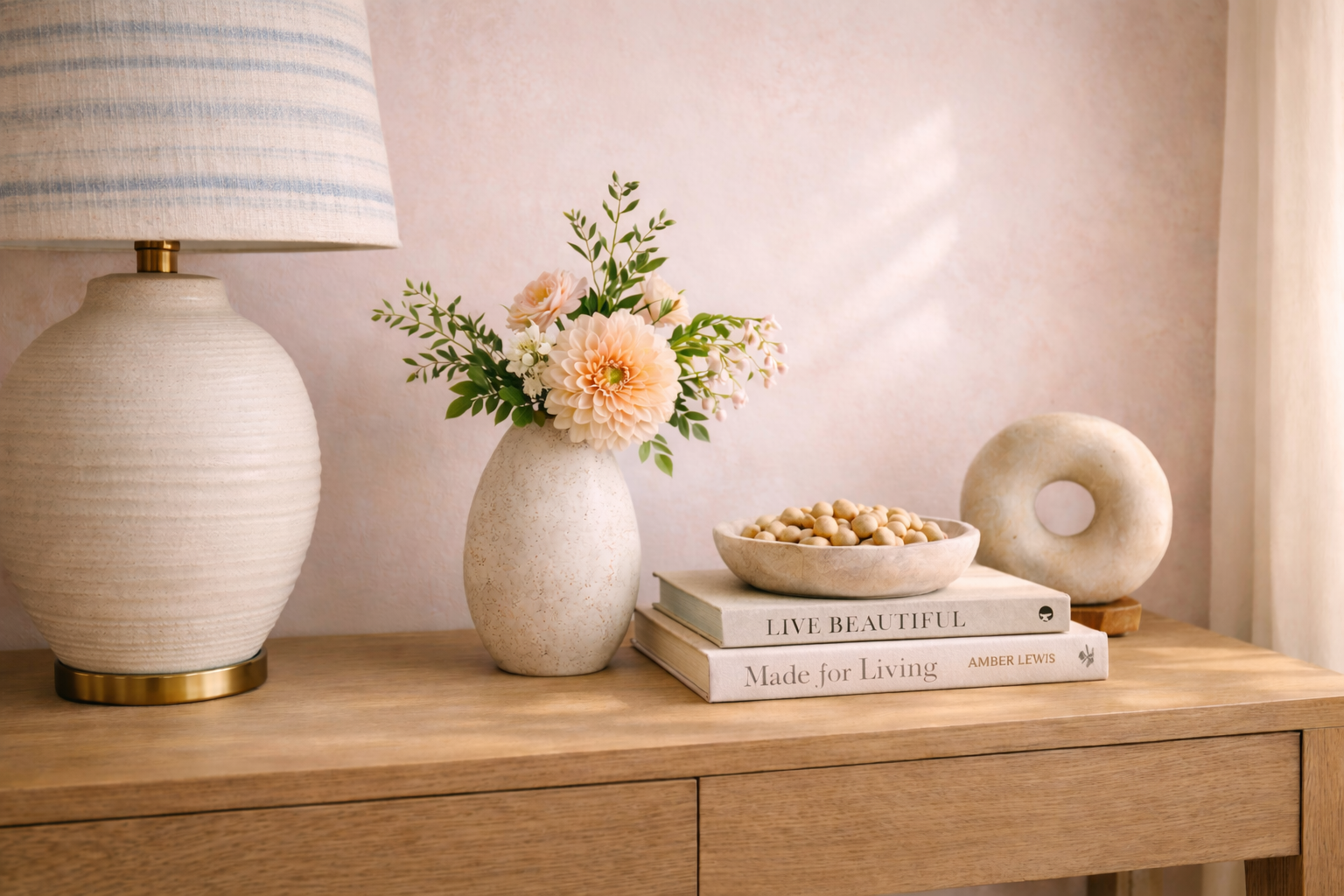
When you’re finished, you’ll still have what you need to decorate with, to remember things by, and to enjoy. What you’ll lose is the overflow, the items that take up space but don’t actually contribute anything meaningful. Once they’re gone, you adjust quickly. You rarely miss what wasn’t doing much in the first place.
Why I’m Emotionally Blackmailed by Construction Paper Masterpieces
There are sentimental items that serve absolutely no purpose. The best example of this? Children’s artwork.
My daughter has been taking her drawings seriously since she realized crayons were for coloring and not eating. The performance of shock, horror, and betrayal when she sees a piece of her artwork in the recycling bin could rival an Oscar winning performance. My husband is no better. He will cradle a doodle from when she was four and say, “It’s her creation. The memories.”
Meanwhile, I am standing there holding enough paper to fuel a recycling plant in New Zealand.
I’ve tried the usual solutions. Those storage frames that hold artwork and allow you to rotate pieces sound good in theory, but in reality they’re bulky wall storage and nothing ever gets rotated. I’ve tried binders organized by age, but a year’s worth of artwork fills a massive binder that no one ever looks through. Which begs the question: why are we keeping all of this?
The idea finally clicked after watching a friend create a printed photo book from a family trip. The memories were preserved, easy to revisit, and beautifully contained. It made me wonder why we couldn’t treat artwork the same way.
Instead of keeping piles of paper, create an official art book. Photograph each piece of artwork when it comes home, save it to a dedicated folder in your photo library, and recycle the original. At the end of the year, sit down with your child and choose which pieces make the cut. Then print them into a book using a service like Snapfish or Shutterfly.
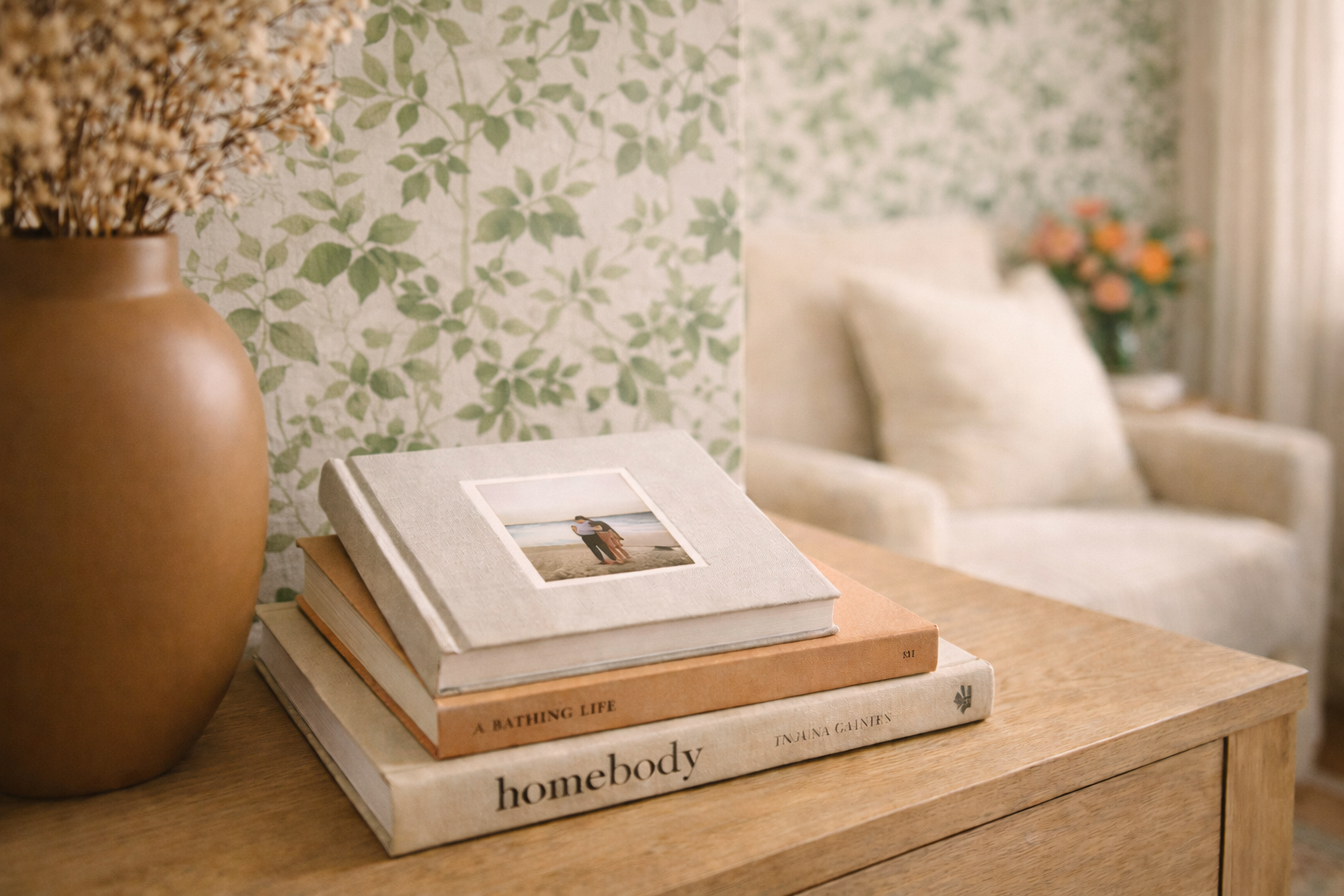
You’re left with something meaningful, easy to store, and actually enjoyable to flip through. These books can live on a shelf, on a coffee table, or in a child’s bedroom. They also make wonderful gifts for grandparents. Most importantly, the memories are preserved without the clutter.
The Clear Off: One Surface at a Time
Another technique I rely on when things feel overwhelming is what I call The Clear Off. This one is all about momentum.
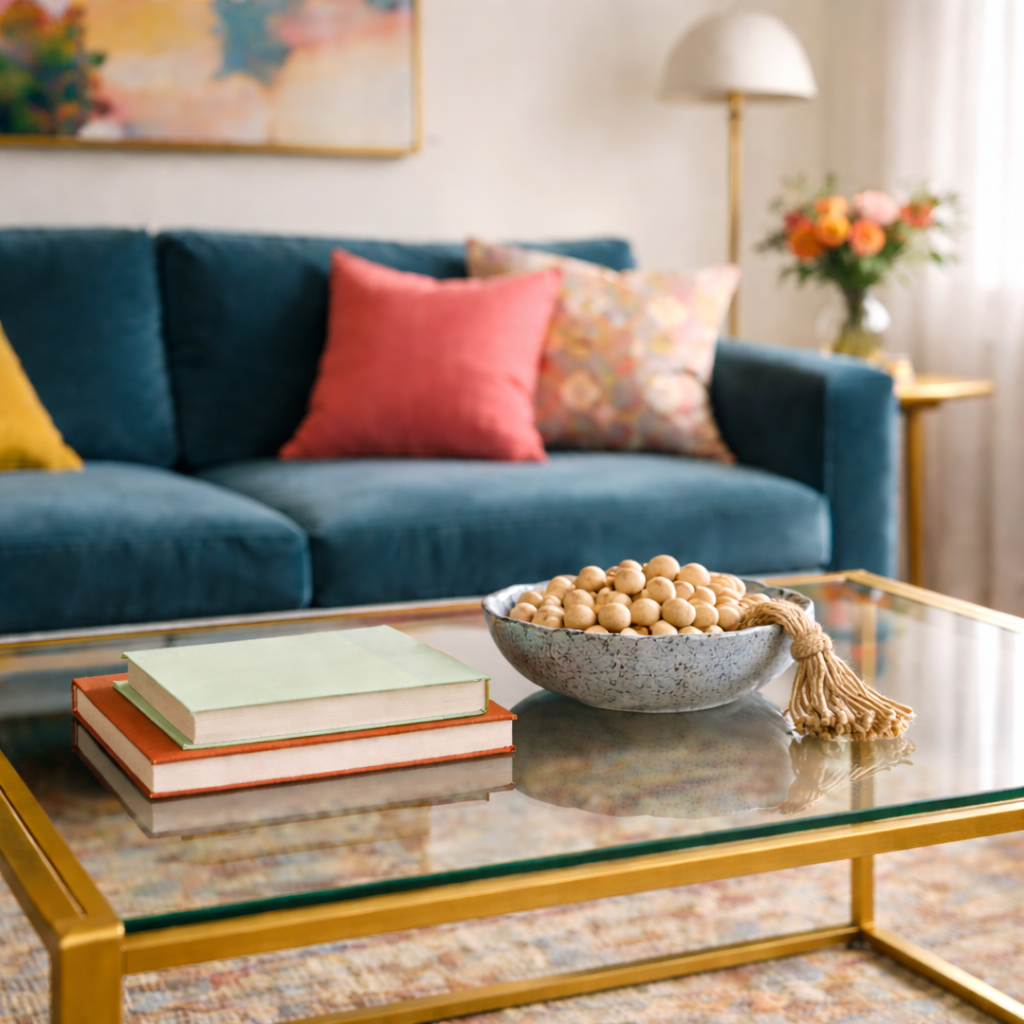
Instead of trying to declutter an entire room, pick one surface, a coffee table, a section of kitchen counter, a nightstand. Clear everything off completely and give it a quick wipe down. Then add back just a few things: one anchor piece, one or two supporting items, and one soft or organic element. Anything that doesn’t fit stays off to the side.
Step back and enjoy the calm. That visible progress is motivating. Once you see how much better a single surface feels, it becomes easier to move on to the next one.
As you repeat this process, you’ll end up with clear surfaces and a growing pile of items that didn’t make the cut. That pile of reckoning is where the real decisions happen. I have two ways of clearing the pile out.
If This Replaced Something Else… Would Anyone Notice?
One is immediate: pick up an item and ask yourself if swapping it with something else in your home would improve the space. If it can’t replace anything, then owning it doesn’t benefit you.
Put It in a Box and See If You Care (Science, Probably)
The second option takes longer but is more decisive. Put the remaining items into a non-clear bin and set it aside for thirty days. After a month, write down everything you remember putting into the bin. Compare that list to what’s actually inside. Anything you forgot about can go. For the items you did remember, give yourself no more than sixty seconds to decide where they belong. If you can’t think of a place, you don’t need them.
A Brief But Necessary PSA About Passports
One important clarification: these methods are for decor and non-essential items meant to be displayed. They are not for paperwork, passports, or true necessities. Yes, I have had to clarify this before.
Better Questions, Easier Decisions
When you’re struggling to let something go, talking through your motivation can help. Ask yourself whether the item suits how you use the room today. Homes evolve, and what worked three years ago might not work now. Just because something served a purpose once doesn’t mean it still does.
Ask yourself if it fits your current aesthetic. Style changes. That seashell statue from your coastal phase ten years ago might not belong in your mid-century era. Let your decor evolve with you.
And finally, ask yourself why you own it. Was it a gift you felt obligated to keep? A trend purchase? A panic buy to finish a room? You are allowed to outgrow objects, even nice ones.
Less Noise, More Breathing Room (And Fewer Emotional Breakdowns)
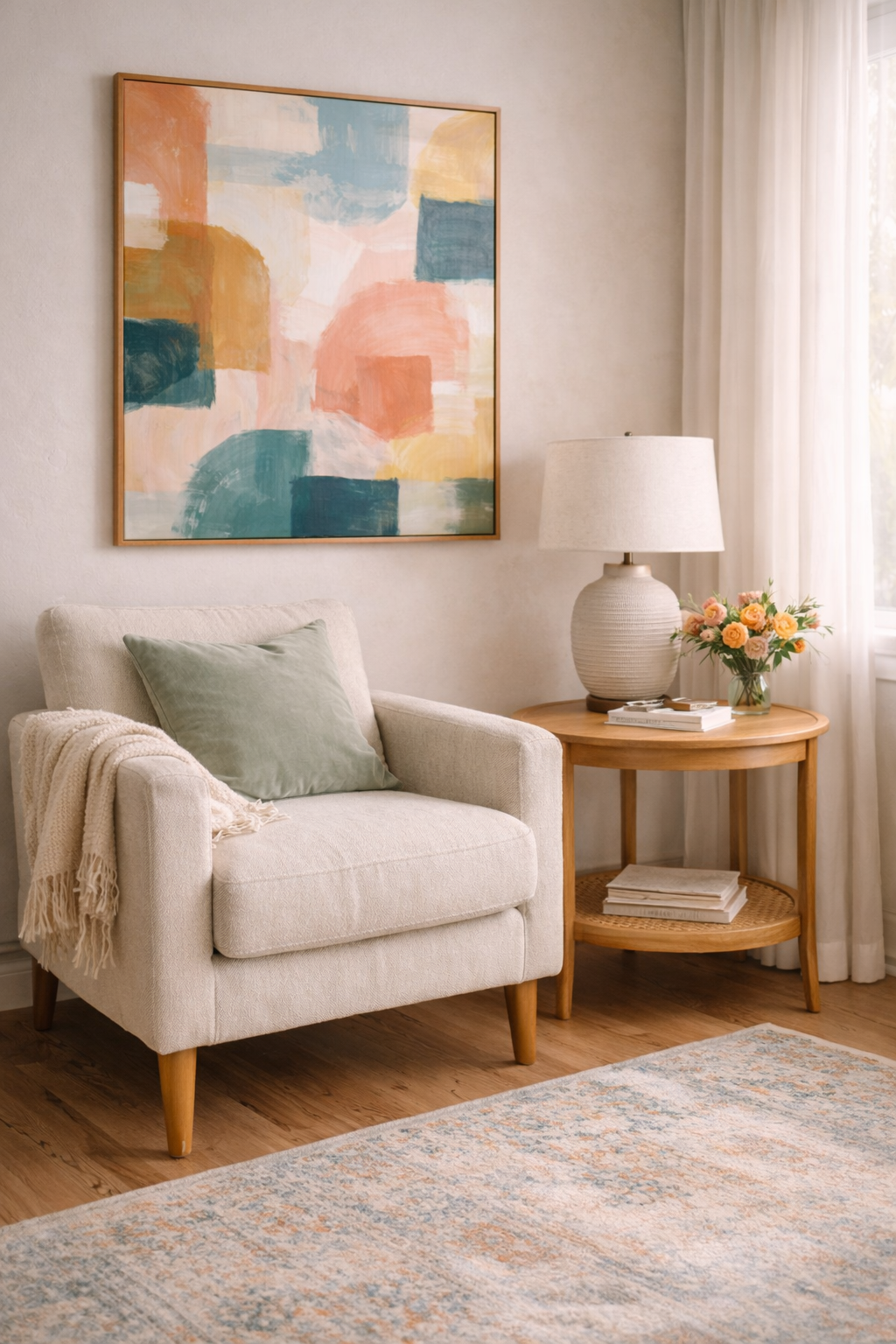
Decluttering isn’t about living with nothing or aspiring to some beige, echo filled house where no one has ever owned a toy. It’s about deciding what earns the right to live in your space, what actually helps your home function, feel good, and reflect the life you’re living right now. Some things deserve to stay because they’re useful, meaningful, or genuinely loved. Others are just… loud freeloaders that showed up during a different phase of life and never left.
If letting go feels hard, that’s normal. You’re not failing at decluttering, you’re just human, with memories, emotions, and a family that becomes personally victimized when a stuffed animal goes missing. Take it one surface at a time, keep the things you’d rescue from elephant poop, and release the rest with gratitude and minimal guilt. Your house doesn’t need to be empty. It just needs room to breathe, and ideally, a little less paper artwork staging a hostile takeover.