Decor in the aftermath of Covid
There’s a crazy saying about Cleopatra and how she lived closer to the invention of the iPhone than she did to the building of the great pyramids. Seems weird, but it’s true. The great pyramids were built 2500 years before she was alive. The iPhone was created 2000 years after her. Our vision of history can sometimes be skewed, and time gets all wobbly. I am constantly amazed that when someone speaks of 30 years ago, they’re not talking about the 1970s, but the 1990s. That’s a hard one for me, I’ll be honest. Here’s another one for you, we are closer to 2030 than we are to the outbreak of Covid-19. I’ll give you a minute to digest that one. It seems like just yesterday, but in reality, years have gone by since we went into lockdown due to Coronavirus. However, although that time has passed, the impact on home design has remained.

It’s amazing how a single moment in history can shift the way we live inside our homes. COVID-19 didn’t just change our daily schedules, it reshaped our homes, our design preferences, and even our emotional connection to the spaces around us. During a time when we spent more hours indoors than ever before, our homes became more than just our backdrop. They became the center of our world. And in the process, we collectively reimagined what a home should feel like. Let’s think back to a pre-pandemic world and imagine how we saw our homes.
Before the pandemic, many people treated home as a place to sleep, recharge, and store our things between work, social outings, and travel. Once lockdowns began, that mindset changed practically overnight. Our relationship with our homes became more personable, and we needed a lot more out of our spaces than we previously had. We also started paying attention in a way we hadn’t before, at how the light hits the living room at different hours, or how that bare wall might finally deserve a piece of art we love. This awareness sparked a lasting design movement rooted in intention and comfort.
Multifunctional spaces became essential: kitchen tables turned into offices, guest rooms became classrooms, and living rooms were relocated into home gyms, video studios, and relaxation zones. Suddenly, our requirements changed, and our furniture and rooms were doing double duty. Sales for home furnishings dramatically increased, with multifunctional design leading the way. I’m talking foldaway desks, mobile storage carts, room dividers, and multitasking coffee tables. People got creative, even in small apartments, carving out “zones” that created boundaries between work and rest. Functionality became just as important as style.
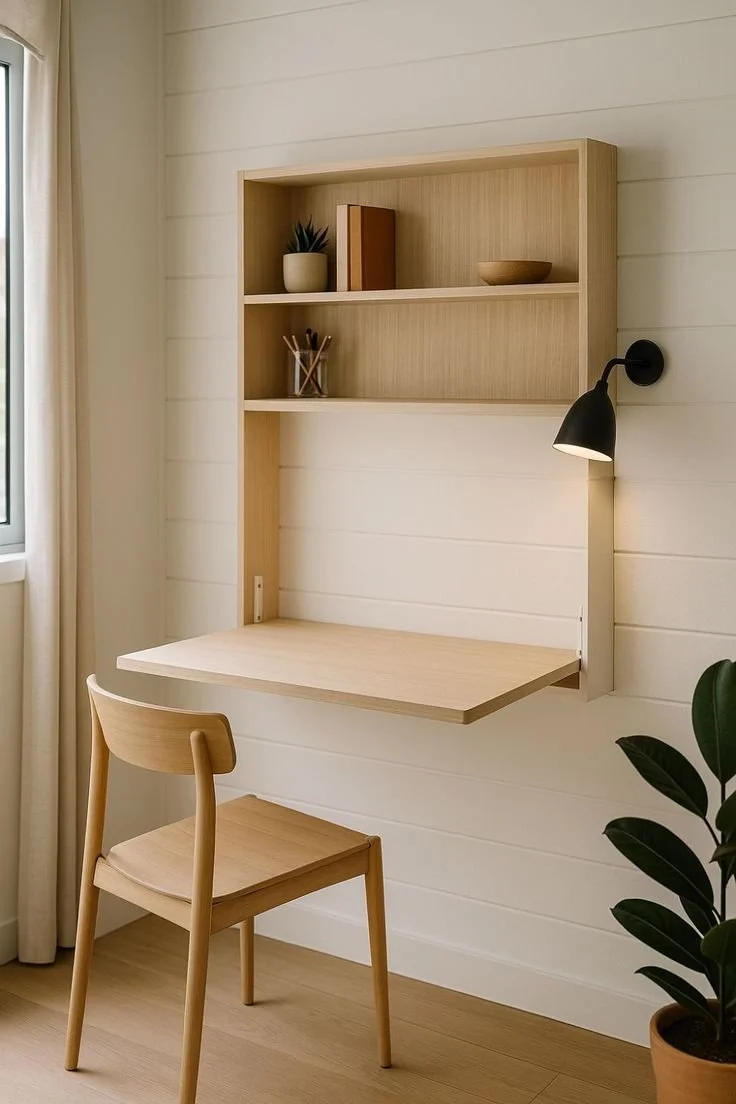
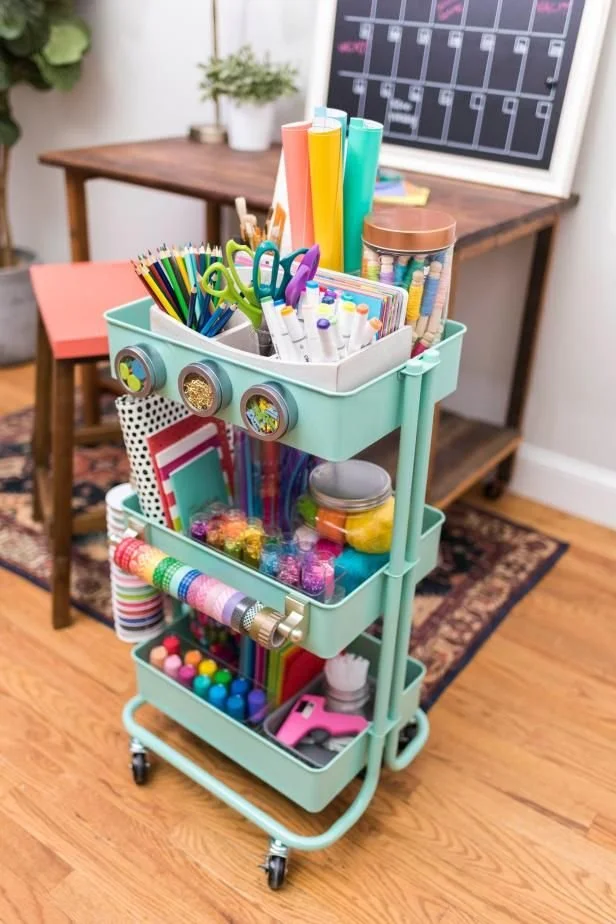
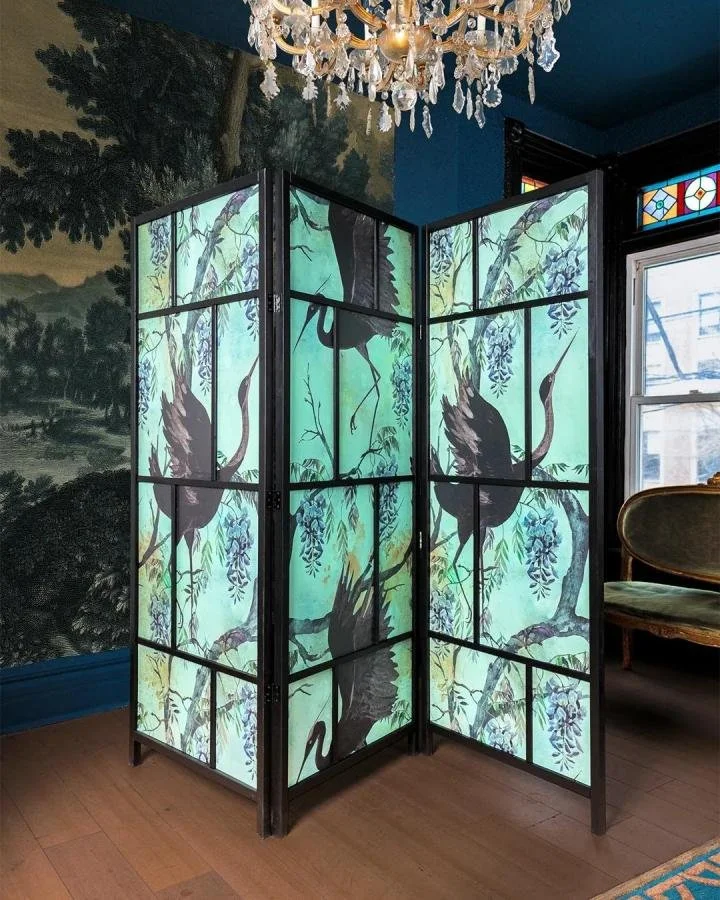
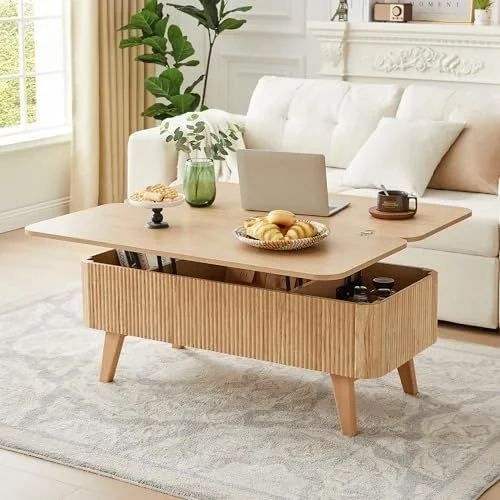
Comfort became a top priority, with us no longer striving for a showroom perfect home. With so much time spent inside, aesthetics took on a new meaning: home needed to feel good. Soft textures, warm lighting, plush rugs, and cozy throws surged in popularity. We decorated for ourselves, not for guests, not for trends. Home became our sanctuary, our hug at the end of the day, and a place to feel grounded during uncertainty. We had to spend all day in these rooms, we had better feel comfortable in them.
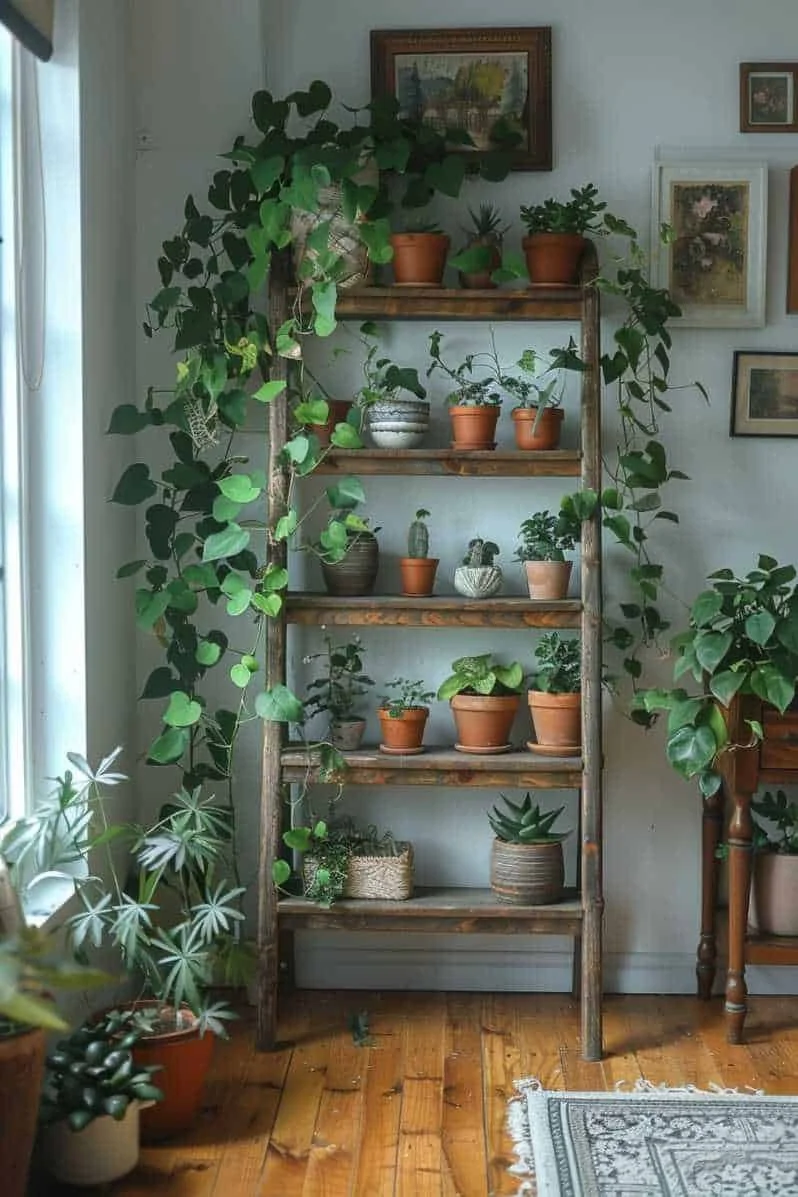
Bringing nature indoors became a global trend. During the pandemic, walks outside became a lifeline to others, to nature, to our old world. That sudden appreciation for nature made its way inside our homes too. This started the rise of “biophillic design”, and the takeover of houseplants. The goal wasn’t just to beautify. It was to breathe easier. Nurturing these seedlings became rituals, grounding us to nature from the indoors, a lasting lifeline to the outside. This love of plants trickled into other areas of home decor, such as finding furniture made out of natural materials (like rattan stools, linen pillows, and wood dining tables). Switching to earth tone color palettes allows for a cohesive flow within a space that evoked a feeling of the outdoors. Switching furniture around to make layout changes that allow for the maximum amount of sunlight to flood the rooms brought a visual and mental brightness we so desperately needed.
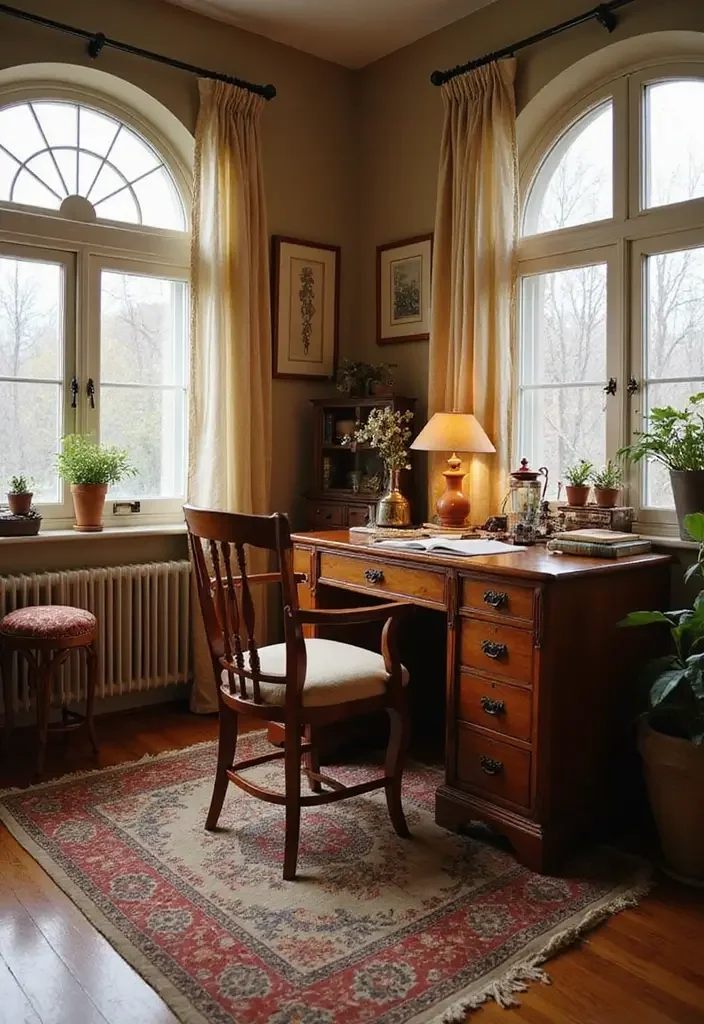
Perhaps the most meaningful shift: we started decorating with things that mattered. Authenticity replaced “picture perfect” design. Instead of focusing on coordinated, catalog-ready rooms, people filled their homes with items that triggered happy memories and stories, and acted as a true reflection of themselves. This included decorating with books they actually read, or that were on a to be read list. Art that was created by a friend, loved one, or local artist. Travel mementos and pieces that were inherited from beloved family members. Home décor became more human and less polished, more story-driven, and far more reflective of the people who lived there.
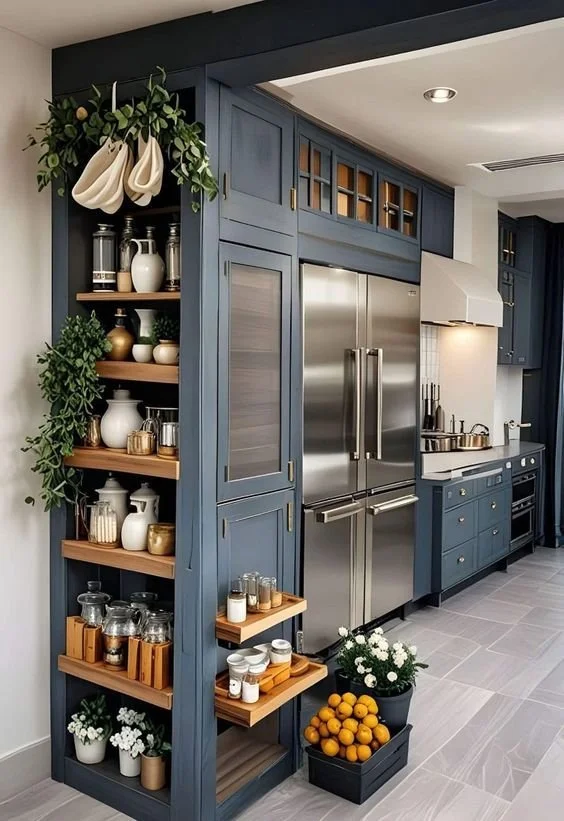
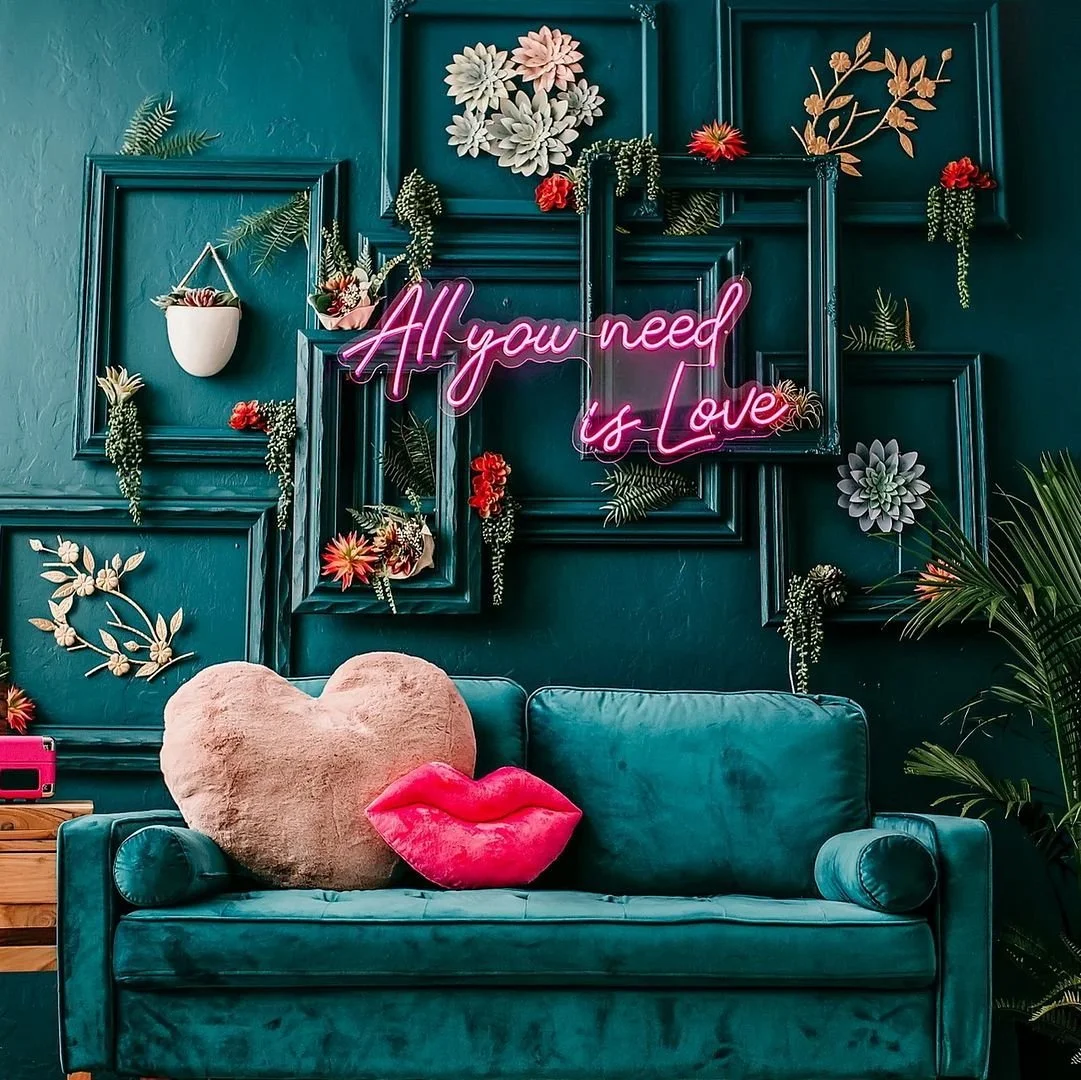
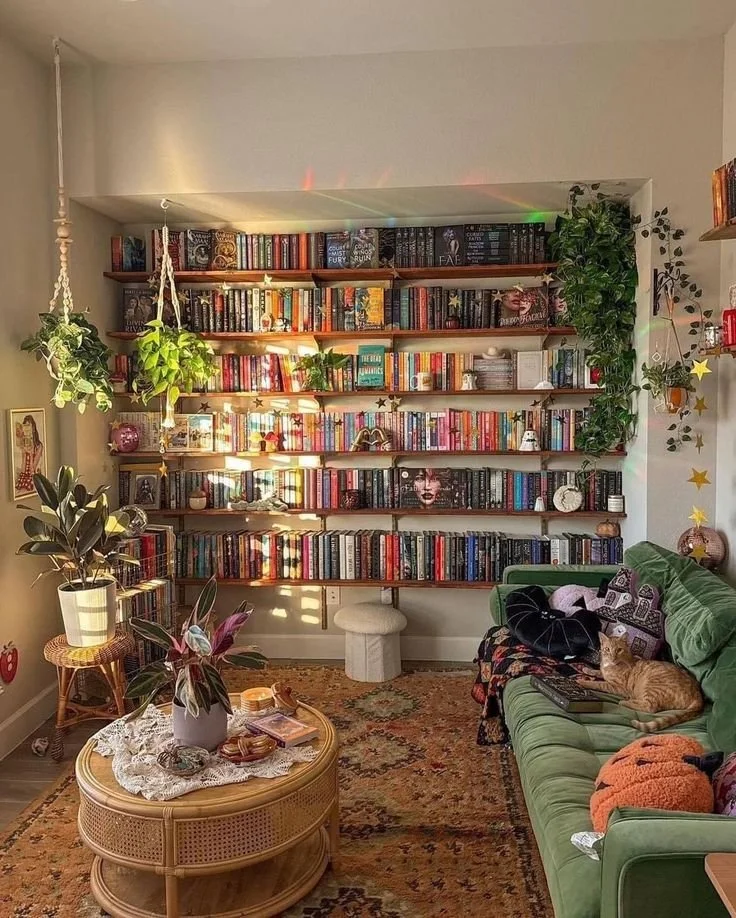
Even more than half a decade later, the influence of COVID-19 is woven into how we build, design, and decorate our spaces. We’re more thoughtful in our choices. We value comfort and authenticity. We understand how deeply our surroundings influence our mood, productivity, and peace. If anything good came out of such a difficult chapter in history, it might be this: we learned how to make our homes truly ours: spaces that support our lives, nourish our wellbeing, and reflect who we are.